
Introduction
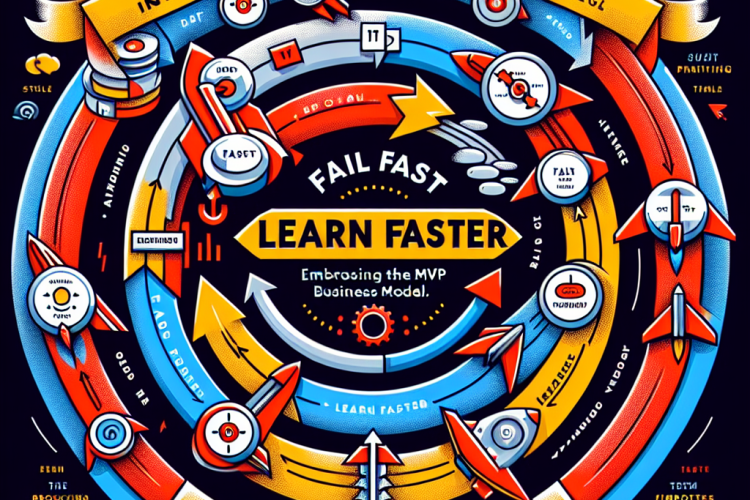
In today’s fast-paced business environment, the ability to adapt and innovate is crucial for success. Companies are constantly seeking new methodologies to enhance their product development processes. One of the most effective approaches that has gained traction in recent years is the “Fail Fast, Learn Faster” philosophy, particularly within the context of the Minimum Viable Product (MVP) business model. This article delves into the principles behind this concept, explores the significance of MVPs, and provides actionable strategies for implementation.
<h2>The Concept of Failing Fast</h2>

<p>The phrase "Fail Fast, Learn Faster" encapsulates an approach where organizations are encouraged to quickly test their ideas and hypotheses. The idea is to identify failures early on, minimizing wasted resources and time. This methodology promotes agility and adaptability, allowing teams to pivot or iterate based on feedback and data gathered during the testing phase.</p>

<p>In traditional business models, extensive planning and perfecting a product before its launch were common practices. However, this often leads to significant delays and investments in ideas that may not resonate with the target audience. Embracing a "fail fast" mentality allows businesses to challenge the status quo and validate concepts with minimal risk.</p>
<h2>Understanding the Minimum Viable Product (MVP)</h2>

<p>A Minimum Viable Product (MVP) is a version of a new product that includes only the essential features necessary to satisfy early adopters and gather feedback. The goal of an MVP is to test business hypotheses and learn what customers want, rather than developing a fully-featured product. By focusing on core functionalities, companies can reduce development time and costs while gaining valuable insights from real users.</p>
<h3>Components of an MVP</h3>

<p>1. **Essential Features:** An MVP must prioritize fundamental features that address the core problem the product aims to solve.</p>

<p>2. **User Feedback:** It is crucial to engage users early and regularly to obtain feedback and suggestions for improvements.</p>

<p>3. **Rapid Iteration:** Based on user insights, teams should be ready to iterate and optimize the product continually.</p>
<h3>Benefits of the MVP Approach</h3>

<p>The MVP approach offers numerous advantages, including:</p>

<ul>

    <li><strong>Cost Efficiency:</strong> Developing only core features minimizes investments at the initial stages.</li>

    <li><strong>User-Centric Development:</strong> Early user feedback can shape the product, ensuring it meets market needs.</li>

    <li><strong>Quick Market Entry:</strong> Launching an MVP allows companies to enter the market earlier and start learning faster.</li>

    <li><strong>Risk Mitigation:</strong> Early testing reduces risks associated with full-scale launches.</li>

</ul>
<h2>Implementing the MVP Model</h2>

<p>Transitioning to an MVP-based business model necessitates a cultural shift within the organization. Here are key strategies for successfully implementing the MVP approach:</p>
<h3>1. Foster a Culture of Innovation</h3>

<p>To embrace the MVP philosophy, organizations must cultivate a culture that values experimentation and learning. Encourage teams to brainstorm ideas, validate hypotheses, and accept failure as a learning opportunity. Leaders should champion these efforts and reward calculated risks.</p>
<h3>2. Build Cross-Functional Teams</h3>

<p>Creating cross-functional teams that include members from various disciplines can enhance creativity and innovation. Diverse perspectives lead to well-rounded MVPs that are more likely to resonate with users.</p>
<h3>3. Define Clear Metrics</h3>

<p>Establishing clear success metrics is essential for evaluating the performance of the MVP. Define what success looks like and track relevant KPIs (Key Performance Indicators) to measure user engagement, satisfaction, and retention.</p>
<h3>4. Prioritize User Experience</h3>

<p>User experience should remain at the forefront of MVP development. Conduct usability tests, gather user feedback, and prioritize enhancements that improve the overall experience. Remember, delighted users are often your best advocates.</p>
<h3>5. Iterate Rapidly</h3>

<p>The MVP model thrives on rapid iteration. Use agile methodologies to facilitate continuous improvement based on user feedback and data analytics. Regularly update the product with new features, enhancements, or changes and communicate these updates to your users.</p>
<h3>6. Embrace Data-Driven Decisions</h3>

<p>Companies should leverage data analytics to inform their decisions. Collect user behavior data, conduct A/B tests, and analyze market trends to derive insights that guide product development.</p>
<h2>Real-World MVP Examples</h2>

<p>Numerous successful companies have adopted the MVP approach, leading to significant growth. Here are a few noteworthy examples:</p>
<h3>1. Dropbox</h3>

<p>Dropbox initially launched with a simple explainer video demonstrating the product's functionality instead of a full-fledged application. This allowed them to gauge interest and gather early users, ultimately leading to the development of their platform.</p>
<h3>2. Airbnb</h3>

<p>Airbnb started as a simple website allowing homeowners to rent out their spaces. The founders tested their concept in their own apartment, validating demand for short-term rentals before scaling their offering.</p>
<h3>3. Zappos</h3>

<p>Zappos began by posting pictures of shoes from local stores on their website. They only bought inventory once customers placed orders, reducing upfront costs and testing the demand for different styles before scaling their inventory.</p>
<h2>The Challenges of Adopting the MVP Model</h2>

<p>While the MVP approach offers numerous benefits, some challenges must be addressed:</p>
<h3>1. Balancing Quality and Speed</h3>

<p>Maintaining a high-quality user experience while rapidly iterating can be challenging. Striking the right balance is critical to avoid alienating early adopters.</p>
<h3>2. Managing Stakeholder Expectations</h3>

<p>Internal and external stakeholders may have varying expectations regarding timelines and deliverables. Clear communication is essential to align these expectations with the MVP strategy.</p>
<h3>3. Navigating Product Scope Creep</h3>

<p>Teams may be tempted to add extra features to the MVP once development begins. Adhering to the principle of minimalism is key to staying focused on core functionalities.</p>
<h2>Conclusion</h2>

<p class="conclusion">Embracing a "Fail Fast, Learn Faster" mindset through the Minimum Viable Product (MVP) business model offers a powerful framework for innovation and growth. By prioritizing core features, gathering user feedback, and iterating rapidly, organizations can efficiently navigate the uncertainties of the market while minimizing risks. As companies continue to innovate and adapt, the MVP approach will remain a vital strategy for thriving in an ever-evolving business landscape. Embracing this model ensures that businesses remain agile, user-focused, and primed for success in today's competitive marketplace.</p>


0 Comments