
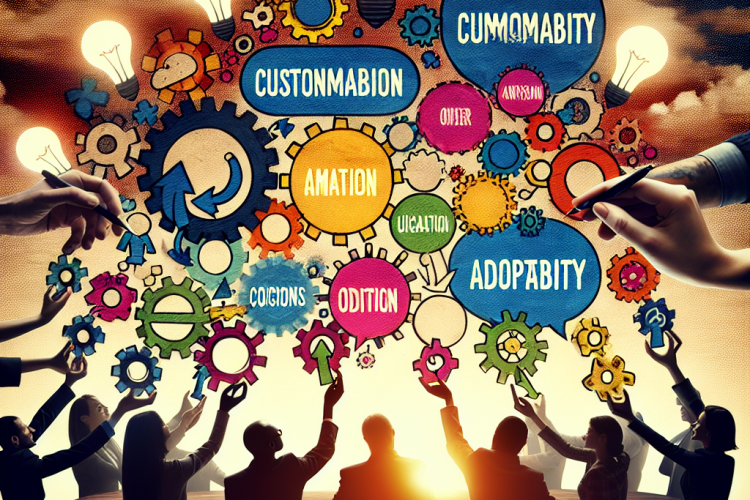
In the ever-evolving landscape of our personal and professional lives, the ability to adapt and modify our approaches and strategies is crucial for success. Whether you’re working on a project, planning an event, or simply navigating your day-to-day responsibilities, being flexible and open to change can lead to better outcomes and improved satisfaction.
The Importance of Adaptation
Adaptation is a fundamental survival skill that we practice in various aspects of life. In nature, species that adapt to their environments are more likely to thrive. Similarly, in our personal and professional lives, those who can pivot and adjust are often the ones who succeed.
Embracing Change
Change is inevitable; it is a constant force that can be daunting but also presents opportunities for growth. The key to embracing change lies in a few fundamental principles:
- Mindset Shift: Adopting a growth mindset allows us to view challenges as opportunities rather than obstacles.
- Resilience: Building resilience enables us to bounce back from setbacks and maintain our focus.
- Continuous Learning: Staying informed and learning new skills helps us adapt to changing circumstances.
In a world that is constantly shifting, whether due to technological advancements, socio-political changes, or personal circumstances, the ability to adapt is not just beneficial; it is essential for personal and professional longevity.
Modification: Tailoring Approaches to Fit Needs
Modification goes hand in hand with adaptation. While adaptation may focus more on responding to external changes, modification is about tailoring our approaches to better suit specific needs or audiences. This can apply to numerous scenarios:
Project Management
In project management, modification can be critical to success. Initially outlined goals and plans may need to shift based on feedback or unforeseen challenges. Here, modifying the project scope or timelines based on team input or client feedback can greatly enhance the end product.
Creative Expression
Artists, writers, and creators frequently need to modify their work based on various factors, including audience feedback, market trends, or personal growth. For example:
- A novelist may rewrite sections based on reader reactions to earlier drafts.
- A web designer may tweak layouts to improve user engagement.
Modification ensures that the work not only remains relevant but also resonates more deeply with the audience.
Education and Teaching
The educational landscape constantly evolves. Educators must modify their teaching approaches to accommodate various learning styles and technological advancements. For instance:
- Integrating multimedia resources for visual learners.
- Using project-based learning to foster critical thinking.
This customization helps students engage more effectively and absorb information in a manner that suits them best.
Best Practices for Effective Modification and Adaptation
Implementing effective modifications and adaptations involves several best practices that can enhance both personal and collective efforts.
1. Seek Feedback
Constructive feedback is an invaluable resource. Regularly soliciting input from team members or your audience can provide insight into what works and what doesn’t. This feedback loop fosters a culture of openness and continuous improvement.
2. Set Clear Goals
Having clear, measurable goals helps in assessing the effectiveness of modifications. When you know what you are aiming for, it’s easier to determine how changes impact your progress.
3. Stay Agile
Agility is key in a fast-paced environment. Remain poised to make changes swiftly when necessary, whether that is altering project timelines, updating strategies, or exploring new technologies. This agility positions you to take advantage of opportunities as they arise.
4. Document Changes
Keeping a record of modifications made and the reasoning behind them can help track progress and inform future decisions. Documentation aids in understanding what strategies have been successful and which need further refinement.
Case Studies: Success Through Modification and Adaptation
Tech Industry: Agile Methodology
The tech industry has widely adopted agile methodologies, which promote iterative development, flexibility, and stakeholder collaboration. Companies like Spotify have viewed modification as a means to improve product offerings continuously. Their teams can pivot based on real-time data and user feedback, allowing them to remain competitive and innovative.
E-commerce: Adapting to Consumer Behavior
E-commerce businesses are often called to adapt quickly to consumer behavior changes. For instance, during the COVID-19 pandemic, many retail companies shifted to online platforms. Brands that were accustomed to brick-and-mortar sales had to modify their business models to prioritize digital marketing and e-commerce solutions.
Healthcare: Innovations in Patient Care
Healthcare providers have modified their practices significantly to improve patient care. Telemedicine has emerged as a crucial adaptation, allowing practitioners to reach patients remotely. This shift not only improved access to care but also conforms to social distancing protocols during health crises.
The Role of Technology in Modification and Adaptation
Technology plays an instrumental role in facilitating modification and adaptation across various sectors.
Data Analytics
Data analytics enables organizations to understand trends and make informed decisions. By analyzing user data, businesses can modify their offerings to align with customer preferences, thereby enhancing user experience and satisfaction.
Collaboration Tools
Digital collaboration tools like Slack, Microsoft Teams, and Trello have revolutionized how teams work together. These platforms allow teams to communicate in real-time, share feedback immediately, and modify workflows on demand, leading to increased efficiency and creativity.
Automation and AI
Automation and artificial intelligence streamline repetitive tasks, allowing teams to focus on more creative and strategic modifications. For example, AI can analyze customer interactions, providing insights that inform product development, marketing strategies, or customer service approaches.
Conclusion
In summary, the ability to modify and adapt is vital in our dynamic world. It empowers individuals and organizations to thrive amidst change, ensuring that strategies and approaches remain relevant and effective over time. By embracing a flexible mindset, seeking continuous feedback, and harnessing technology, we can navigate challenges and seize opportunities that arise. Ultimately, the power of modification and adaptation enables us to create solutions that resonate deeply with our audiences and meet their evolving needs.


0 Comments