
Introduction
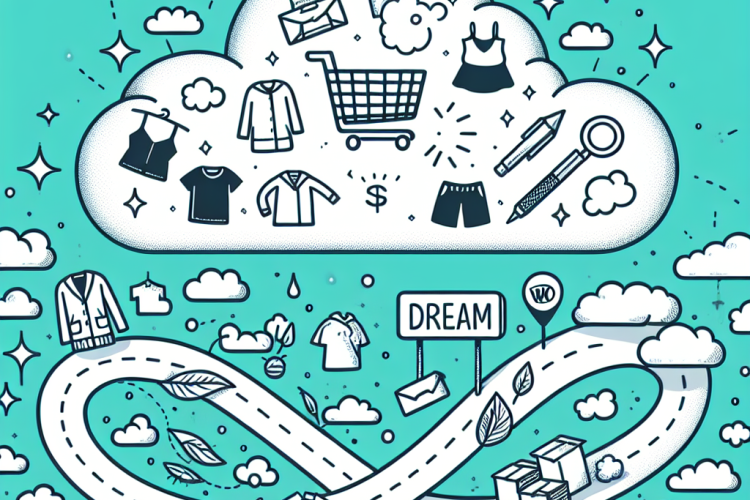
Starting any business can be exhilarating, and online retail is no exception. With the rise of platforms like WooCommerce, it has never been easier to set up an online store. Our journey began with a simple ambition: to create a clothing shop that reflected our passion for fashion and our commitment to quality. This article chronicles our journey from the initial idea to launching our dream WooCommerce clothing shop. We’ll break down the steps we took, the challenges we faced, and the lessons we learned along the way.
Identifying Our Niche
Before diving into the technical aspects of building an online store, we needed to identify our niche. In a saturated market, specializing in a specific segment increases the likelihood of standing out. We explored various options, considering factors such as market demand, competition analysis, and personal interests. We decided to focus on eco-friendly clothing made from sustainable materials, an area that resonated with our values and had a growing customer base.
Market Research
With our niche established, we conducted thorough market research. This involved analyzing competitors, identifying target audience demographics, and understanding consumer preferences. We used tools like Google Trends, social media polling, and surveys to gather data. The insights we gained not only informed our product offerings but also shaped our marketing strategies.
Brand Development
Branding is critical for any business, particularly in the fashion industry. We began by defining our brand’s mission, vision, and values. This foundation guided us in creating our brand identity, including our logo, color palette, and typography. We aimed for a clean, modern aesthetic that conveyed our commitment to sustainability. Additionally, we created a story around our brand that connected emotionally with our target audience, emphasizing our eco-friendly practices and ethical sourcing.
Choosing WooCommerce
With our brand in place, we needed a platform to build our store. After exploring various options, we decided on WooCommerce due to its flexibility, ease of use, and extensive support resources. As a plugin for WordPress, it allowed us to leverage the SEO benefits of WordPress and had a vast array of themes and extensions to enhance our store’s functionality.
Setting Up Our Online Store
After choosing WooCommerce, we started the setup process. This included:
- Domain Name and Hosting: We chose a memorable domain name that reflected our brand and secured reliable hosting to ensure fast loading times and minimal downtime.
- Installing WordPress and WooCommerce: We installed WordPress on our hosting platform and added the WooCommerce plugin. The installation process was straightforward and user-friendly.
- Selecting a Theme: Aesthetics are essential in a clothing shop, so we chose a responsive WooCommerce theme that complemented our brand identity. We customized it to match our color palette and layout preferences.
Product Sourcing
Finding the right suppliers was one of the most crucial steps in our journey. We prioritized ethical sourcing and selected manufacturers who share our commitment to sustainability. We contacted different suppliers, requested samples, and evaluated the quality of their materials. Ultimately, we narrowed our selection down to a few key partners whose values aligned with ours.
Product Photography and Descriptions
High-quality product images are essential for online retail. We organized a photoshoot, hiring a professional photographer who understood our vision. We aimed for lifestyle shots that depicted our clothing in real-world settings. In addition to images, we crafted compelling product descriptions that highlighted the unique features, benefits, and sustainable aspects of each item.
Payment and Shipping Options
To provide a seamless shopping experience, we needed to set up our payment and shipping options. We integrated multiple payment gateways, including PayPal, credit cards, and Apple Pay, ensuring convenience for our customers. For shipping, we explored various carriers and options, eventually deciding on a tiered shipping system that offered local, national, and international services.
SEO Optimization
Search engine optimization (SEO) was a critical focus for us from the get-go. We understood the significance of visibility in the crowded online marketplace. We optimized our product pages and blog content with relevant keywords, created sitemap submissions, and ensured mobile-friendliness. We also started a blog to drive traffic and establish authority in our niche.
Marketing Strategy
A robust marketing strategy was essential for attracting customers to our new store. Our approach included:
- Social Media Marketing: We leveraged platforms like Instagram and Facebook to build our online presence, share our brand story, and engage with potential customers.
- Email Marketing: Building an email list allowed us to keep our audience informed of new products, sales, and promotions. We created tailored newsletters to maintain engagement.
- Influencer Collaborations: Partnering with eco-conscious influencers helped us reach a wider audience and build credibility.
Launch Day
After months of hard work, our online store was ready for launch. We planned a launch day campaign that included special promotions, giveaways, and social media announcements. The excitement was palpable, and the response from our initial customers was overwhelming. This was a significant turning point for us, as it validated all our efforts and hard work.
Customer Feedback and Iteration
After our launch, we actively sought feedback from customers to improve our offerings and shopping experience. We collected testimonials and reviews, which not only provided us with insights but also helped us build trust with new customers. Regularly iterating our product range and website features based on this feedback has been key to our ongoing success.
Challenges We Faced
No journey is without its challenges. Some hurdles we encountered included:
- Supply Chain Issues: Early on, we faced delays with suppliers that impacted our inventory. We learned the importance of establishing strong relationships and having backup suppliers.
- Technical Glitches: While WooCommerce is user-friendly, we experienced some technical difficulties. Our experience taught us the significance of having reliable tech support and investing time in learning the platform.
- Managing Customer Expectations: With fast fashion dominating the market, customers sometimes expect immediate delivery. We had to educate our audience on our sustainable shipping practices to manage expectations.
Conclusion
Building our dream WooCommerce clothing shop has been an exhilarating journey filled with learning and growth. From identifying our niche to launching our store, each step was an opportunity to stay true to our brand values and connect with our audience. The importance of planning, research, and adaptability cannot be overstated. As we continue to evolve, we are committed to sustainability, quality, and providing an exceptional customer experience. Our journey has just begun, and we are excited about what the future holds.


0 Comments