
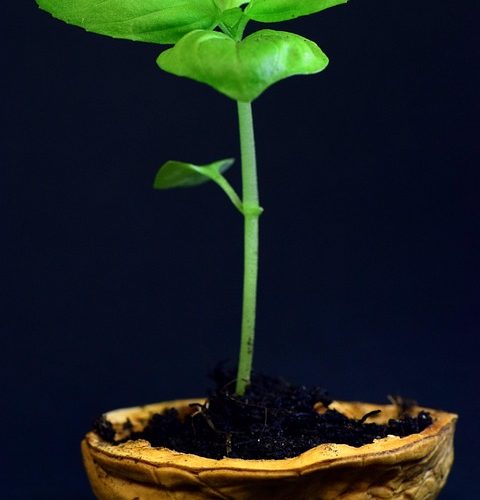
In the digital age of 2023, Software as a Service (SaaS) applications have become the cornerstone of business innovation and efficiency. With the proliferation of cloud computing, SaaS apps offer both businesses and consumers scalable solutions with minimal friction. This article outlines the essential steps to transform an idea into a fully operational SaaS application, focusing on the latest trends and practices.
Understanding SaaS
SaaS is a software distribution model in which applications are hosted by a service provider and made available to customers over the internet. This model offers numerous advantages, including accessibility, scalability, and cost-effectiveness. Before embarking on the development journey, it’s crucial to have a robust understanding of what makes a SaaS app successful.
- Accessibility: Users can access the app from any device with an internet connection.
- Scalability: Resources can be adjusted based on demand.
- Cost-Effectiveness: Reduces the need for in-house infrastructure.
Ideation and Validation
Every successful product starts with a great idea. However, not every idea is worth pursuing. Validating your concept is crucial to ensure there is a market need. This involves conducting market research, identifying target customers, and analyzing competitors.
“The best way to validate a product is to have customers willing to pay you to solve their problem.”
Creating a Minimum Viable Product (MVP) can further help in understanding user needs and iterating on feedback. Focus on building core features that solve the primary pain point of your target audience before expanding functionalities.
Designing the Architecture
The architecture of a SaaS application forms the backbone of its functionality. Given the multi-tenant nature of SaaS, it’s essential to adopt an architecture that ensures data security and performance optimization.
Core Components
- Multi-Tenancy: Using shared resources with isolated data for each tenant.
- Scalability: Implementing load balancers and auto-scaling groups.
- Security: Enforcing encryption and compliance with data protection regulations.
Technology Stack
Choosing the right technology stack is pivotal. In 2023, some popular options include:
- Frontend: React, Angular, or Vue.js offer efficient frameworks for responsive interfaces.
- Backend: Node.js, Python (Django/Flask), and Ruby on Rails are popular for building robust servers.
- Database: PostgreSQL, MongoDB, and MySQL provide reliable data management solutions.
Development and Testing
With a clear architecture and technology stack, the development process can commence. It’s essential to adopt agile methodologies to maintain flexibility and ensure continuous integration and testing.
Development Process
- Developing core features first to prioritize key functionalities.
- Using microservices to enable scalability and independent updates.
- Integrating third-party services to enhance functionality without excessive in-house development.
Testing Strategies
- Automated Testing: Tools such as Selenium and Cypress facilitate automated, repeatable test scenarios.
- Performance Testing: Ensuring the app can handle high loads and respond quickly.
- Security Testing: Conducting vulnerability assessments and penetration testing to safeguard user data.
Deployment
Deploying a SaaS application requires meticulous planning to ensure a seamless user experience and minimal downtime. Leveraging cloud services like AWS, Azure, or Google Cloud can simplify the process.
Continuous Deployment
CI/CD pipelines ensure the deployment process is automated, reducing errors and accelerating release cycles. Using tools like Jenkins, GitHub Actions, or GitLab CI/CD can streamline the workflow.
Maintenance and Scaling
Post-launch, maintaining and scaling your application is crucial to accommodate growing user bases and evolving market needs.
Monitoring and Logging
Implementing monitoring tools such as Prometheus and Grafana helps track performance and uptime, while logging tools like ELK Stack enable detailed error tracking.
User Feedback and Iterations
Regularly collecting user feedback helps prioritize development efforts and improve user satisfaction. Iterative development should be responsive to user needs and technological advancements.
Conclusion
Building a SaaS application in 2023 involves a systematic approach from idea validation to launch. By leveraging modern technologies, adopting agile methodologies, and keeping user needs at the forefront, developers can create scalable and innovative solutions that meet market demands. The continuous cycle of feedback, testing, and iteration ensures that the application remains relevant and competitive in an ever-evolving landscape. As the SaaS domain grows, staying informed about emerging trends and best practices will be vital for success.


0 Comments