
Introduction
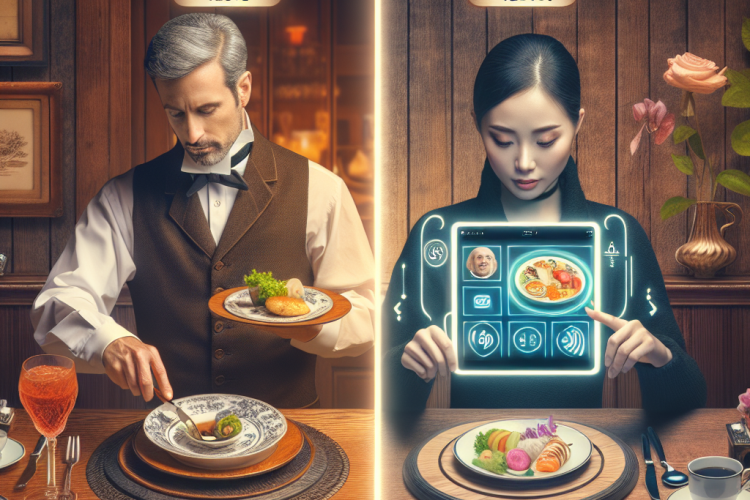
In the fast-paced world of dining, technology is reshaping how restaurants engage with their customers. With the rise of smartphones and mobile applications, restaurants are turning to digital solutions to enhance the customer experience, streamline operations, and create memorable dining adventures. This trend, characterized by the shift ‘From Table to Tablet,’ signifies a transformative phase in the hospitality sector.
The Evolution of Restaurant Technology
The restaurant industry has always been a hotbed for innovation, from the introduction of drive-thrus to the adoption of online reservations. As technology continues to evolve, restaurants are seeking new ways to meet customer expectations and stay competitive. The integration of apps has become a pivotal part of this journey, offering unique opportunities for both businesses and their clientele.
Features of Modern Restaurant Apps
Today’s restaurant apps offer a myriad of features that enhance the dining experience. These include online reservations, mobile ordering, loyalty programs, and personalized promotions. Apps also provide nutritional information, helping customers make healthier choices. By providing these services, restaurant apps are building convenience and customization into the dining adventure.
Enhancing Customer Engagement
One of the key benefits of restaurant apps is increased customer engagement. With push notifications and personalized offers, restaurants can maintain a direct channel of communication with their customers. This constant connectivity fosters a sense of loyalty and encourages repeat business. Additionally, integration with social media platforms allows diners to share their experiences, further promoting the restaurant through word of mouth.
Streamlining Operations
Beyond customer engagement, restaurant apps significantly streamline operational processes. By enabling digital reservations and orders, they reduce the likelihood of human error. Apps can also help manage inventory by tracking popular dishes and alerting staff to restock items as needed. These efficiencies translate into cost savings and improved service, enhancing the overall dining experience.
Data-Driven Insights
Restaurant apps are invaluable for collecting data on customer preferences and behaviors. This information allows eateries to make informed decisions about menu changes, pricing strategies, and marketing campaigns. By analyzing customer feedback, restaurants can continuously refine their offerings to better align with consumer desires.
Challenges and Considerations
Despite the advantages, there are challenges in implementing restaurant apps. Developing a user-friendly and engaging app requires significant investment in both time and resources. Additionally, ensuring the security of customer data is paramount. Restaurants must balance technological advancements with the need for privacy and data protection.
Conclusion
The transition from traditional dining experiences to digitally enhanced interactions represents a dynamic shift in the restaurant industry. As restaurants continue to adapt and embrace technology, the integration of apps serves as a cornerstone for enhancing customer satisfaction, streamlining operations, and gathering key insights. While challenges remain, the benefits of going digital are clear. By keeping the focus on delivering exceptional customer experiences through innovative technology, restaurants can ensure their success in the digital age.



0 Comments