
Understanding the Vision
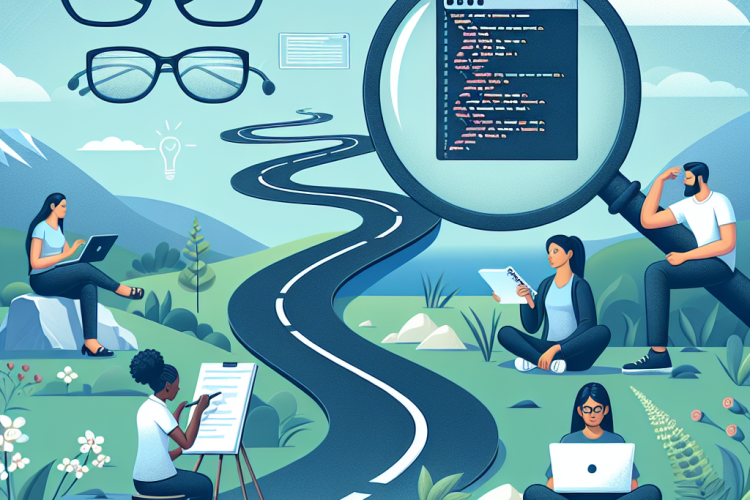
Every successful custom web application begins with a clear vision. This vision is often a reflection of the business’s goals, the problems it aims to solve, or the services it seeks to offer. Understanding the vision entails a comprehensive process of gathering requirements from stakeholders, analyzing the needs of potential users, and aligning the project with the broader strategic objectives of the organization.
At this stage, it’s crucial to ask the right questions. What are the primary objectives of the application? Who are the end-users? What are the expected outcomes once the application is launched? Answering these questions sets the foundation for every subsequent stage in the development process.
Research and Feasibility Analysis
Once the vision is established, conducting thorough research is essential. This includes analyzing market trends, competitor offerings, and technological advancements. Research helps in identifying opportunities as well as potential challenges that could be encountered.
A feasibility analysis assesses the practicality of the project. It examines technical requirements, budget constraints, and project timelines. By evaluating these factors, teams can ensure that the project is viable and sustainable in the long run.
Conceptualizing the Design
Design is a crucial step in translating vision into reality. It bridges the gap between abstract ideas and tangible user experiences. The design phase involves creating wireframes, mockups, and prototypes that outline the application’s interface and functionality.
User experience (UX) and user interface (UI) design are central to this phase. UX design focuses on the overall experience of the user, ensuring that interactions are intuitive and logical. UI design, on the other hand, deals with the specifics of the graphical interface, including colors, typography, and button placements.
Choosing the Right Technology Stack
Selecting the appropriate technology stack is critical for the application’s performance, scalability, and longevity. The stack typically includes the programming languages, backend and frontend frameworks, databases, and cloud services that will be used.
The choice of technology depends on several factors such as the application’s complexity, the expertise of the development team, budget considerations, and projected user load. Popular choices include the MEAN and MERN stacks, Django for Python, and Ruby on Rails.
Development Process
The development process is where the ideas and designs become reality. It’s a collaborative effort between developers, designers, and product managers to build the application’s functionalities.
Adopting agile methodologies can be highly beneficial during this phase. Agile allows for iterative progress through cross-functional teams that are self-organizing and adaptive to change. This flexibility helps in refining the application through continuous feedback and testing.
Testing and Quality Assurance
Testing is an integral part of the development lifecycle. It involves validating that the application performs as expected under various conditions and meets all specified requirements.
Quality assurance teams conduct several tests, including unit tests, integration tests, performance tests, and user acceptance tests. These processes ensure robust, reliable, and high-performing applications by identifying bugs and issues before launch.
Deployment and Launch
Deployment is the final yet significant step in bringing the application to its end-users. It involves preparing the production environment, migrating databases, and setting up continuous integration and deployment (CI/CD) pipelines.
A successful launch is more than just making the application live; it includes monitoring the application closely for any post-launch issues and gathering user feedback to guide future updates and enhancements.
Post-Launch Maintenance and Updates
Maintenance is a continuous effort that involves updating the application to fix any emergent bugs, enhancing features based on user feedback, and ensuring that the application remains compliant with the latest security standards.
Scheduled updates not only improve the application’s performance but also keep it relevant in a rapidly evolving technological landscape. Additionally, employing analytics tools can provide insights into user behavior, informing strategic decisions and driving further innovation.
Conclusion
The journey from vision to code in custom web application development is an intricate process that demands meticulous planning, collaboration, and innovation at every stage. From understanding the initial vision to ongoing maintenance, each phase is interconnected and crucial for the successful execution and sustainability of a web application.
By meticulously navigating through understanding the vision, conducting feasibility analysis, designing, choosing the right technology stack, developing, testing, and maintaining, businesses can create powerful custom web applications that not only meet user needs but also align with strategic objectives.
In conclusion, the key to successful custom web application development lies in a clear vision, effective communication, and a commitment to quality and innovation. As the digital landscape continues to evolve, these principles remain timeless, guiding organizations as they harness the full potential of technology to achieve their goals.



0 Comments