

In today’s digital age, having a strong online presence is essential for businesses of all sizes. A well-designed website serves as the cornerstone of your online identity, attracting potential customers and converting leads into sales. However, choosing a custom website designer can be daunting, especially with a limited budget. In this article, we’ll guide you through the process of selecting an affordable custom website designer while ensuring you get exactly what you need.
Understanding Your Requirements
Before you embark on your search for a website designer, it’s critical to have a clear understanding of your requirements. This step will help you communicate effectively with designers and facilitate a smoother design process.
Identify Your Goals
Consider what you want to achieve with your website. Are you looking to:
- Sell products online?
- Generate leads through a contact form?
- Share information about your brand or services?
Your goals will help determine the functionalities and features you need, such as e-commerce capabilities, a blog section, or a gallery.
Analyze Your Target Audience
Understanding your target audience is essential for designing a website that appeals to them. Consider their demographics, preferences, and online behavior. Tailor your website’s design and content to meet their expectations.
Compile a List of Must-Have Features
Create a list of essential features that your website must have. These may include:
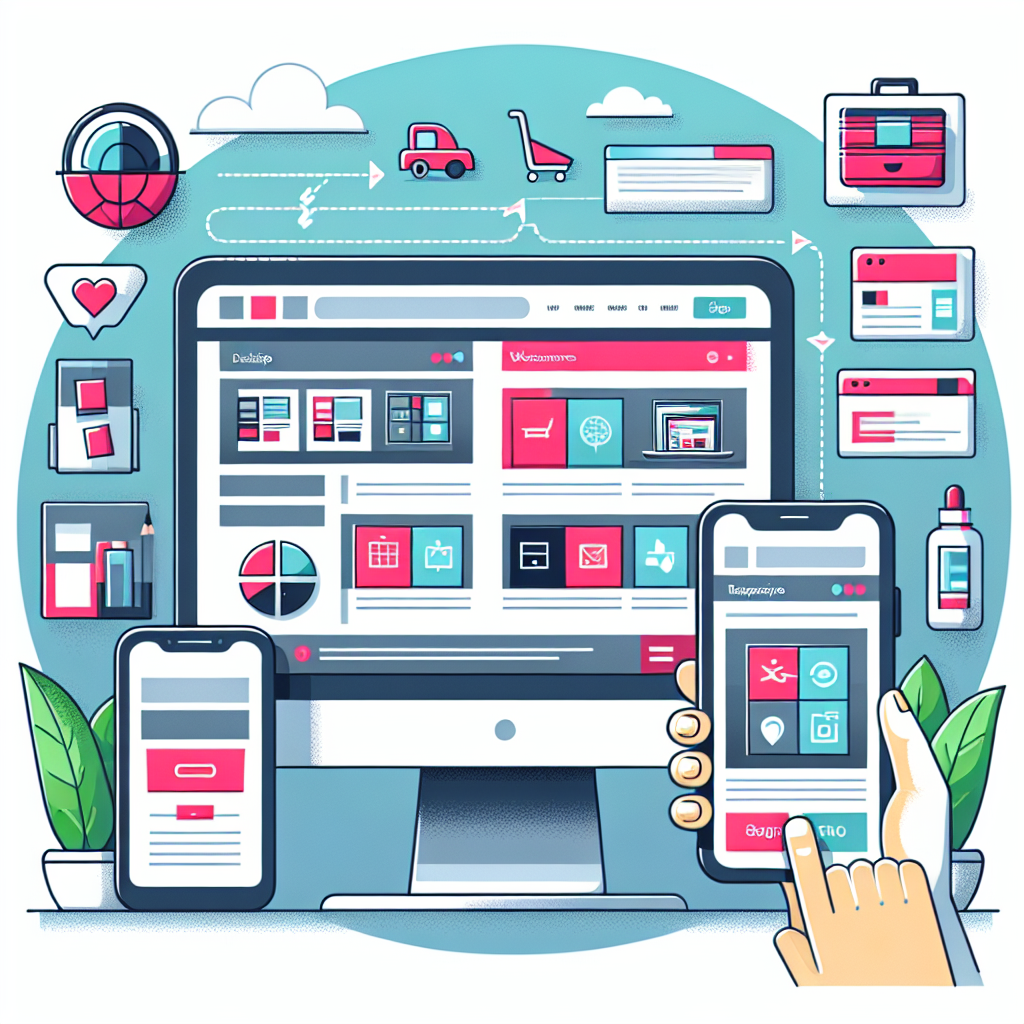
- Responsive design for mobile and tablet compatibility
- SEO-friendly structure
- Contact forms and social media integration
- User-friendly navigation
- Fast loading times
Having a clear list of necessary features will help you avoid scope creep later in the project.
Finding Affordable Custom Website Designers
Once you understand your requirements, you can begin your search for an affordable custom website designer. Here are several avenues to explore:
Freelance Platforms
Platforms like Upwork, Fiverr, and Freelancer are popular places to find freelance web designers. You can browse portfolios, read reviews, and compare prices to find someone who fits your budget.
Local Design Agencies
If you prefer a more hands-on approach, consider reaching out to local design agencies. Many agencies offer competitive pricing for small businesses and can provide personalized service.
Word of Mouth
Ask your friends, family, or business associates for recommendations. A trustworthy referral can lead you to an affordable and competent designer.
Online Communities and Forums
Join online communities or forums where web designers and professionals congregate, such as Reddit or LinkedIn Groups. You might find talented designers who are just starting and are willing to work at lower rates.
Evaluating Potential Designers
With a list of potential designers in hand, it’s time to evaluate them. Here are some criteria to consider:
Portfolio Review
Examine each designer’s portfolio to assess their style, creativity, and versatility. Look for:
- Websites in your industry
- Responsive design examples
- User experience (UX) considerations
A diverse portfolio is a good indicator of a designer’s adaptability and skill level.
Client Testimonials
Check for client testimonials and reviews. Positive feedback from previous clients can indicate a designer’s reliability and ability to meet deadlines.
Budget Alignment
Discuss your budget early on. Make sure the designer can produce quality work within your financial constraints. A transparent discussion about pricing can help avoid misunderstandings later.
Communicating Your Vision
Clear communication is key to a successful partnership with your website designer. Here are some tips to facilitate effective communication:
Prepare a Brief
Create a detailed brief outlining your goals, target audience, and must-have features. This document will serve as a valuable reference throughout the project.
Be Open to Suggestions
While you should express your ideas, be open to the designer’s recommendations. They bring valuable expertise and may suggest solutions that enhance your website’s effectiveness.
Establish a Feedback Loop
Set up regular check-ins to discuss progress, provide feedback, and make adjustments if necessary. This collaborative approach ensures that the project stays on track.
Understanding Project Timelines and Agreements
Establishing a clear timeline and project agreement is vital to ensure both you and the designer understand expectations.
Set Realistic Deadlines
Discuss timelines upfront. Understand that quality design takes time, and rushing through the process may compromise the final product.
Contractual Agreement
A formal contract should outline deliverables, timelines, payment terms, and intellectual property rights. This document protects both parties and ensures accountability.
Ensuring Quality and Functionality
As the project progresses, ensure the website is not only visually appealing but also functional. Here’s how to maintain quality:
Test Functionality
Regularly test your website’s functionality during the development process. Check for:
- Browser compatibility
- Mobile responsiveness
- Loading speeds
- User navigation
Identifying issues early allows for prompt fixes, improving user experience.
Optimize for SEO
Work with your designer to ensure that SEO best practices are integrated from the outset. This includes proper URL structures, meta tags, and alt text for images.
Maintaining Long-Term Relationships
Building a long-term relationship with your designer can be beneficial for ongoing website updates and maintenance.
Ongoing Communication
Keep the lines of communication open post-launch. Discuss future updates or changes to the website to enhance functionality and user experience.
Feedback and Reviews
Provide feedback on the designer’s work and share your experience with others. Positive reviews can help them in their careers, while constructive criticism aids in their professional growth.
Conclusion
Choosing an affordable custom website designer involves understanding your requirements, finding potential candidates, evaluating their skills, and maintaining clear communication throughout the process. By following these steps, you can find a designer who not only fits your budget but also meets your needs effectively. A well-designed website that aligns with your goals can significantly enhance your online presence and contribute to your business’s growth. Take your time, do your research, and invest in creating a website that serves as a powerful tool for your success.


0 Comments