
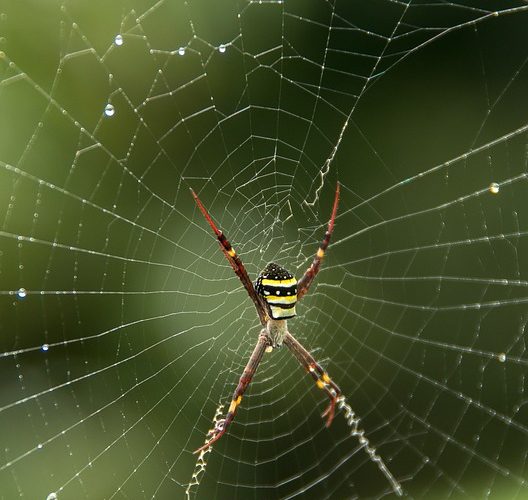
The environment is a complex and intricate network of interdependent systems which have sustained life on Earth for millions of years. Understanding our environment and the challenges it faces is crucial for fostering sustainable growth and development. This article delves into the fascinating world of ecology, climate change, biodiversity, conservation, and pollution, offering insights into how each of these elements intertwine to shape the world we live in.
Ecology: The Study of Interconnections
Ecology is the branch of biology that deals with the relations of organisms to one another and to their physical surroundings. It also encompasses the examination of ecosystems and the complex web of interactions that occur within them. Ecological studies are crucial for understanding the processes that keep our environment balanced and functional.
At the core of ecology is the concept of ecosystems—regions where living organisms interact with their non-living environments. These interactions lead to the flow of energy and nutrients, sustaining life cycles and maintaining environmental equilibrium. Whether it’s a forest, a lake, or a desert, each ecosystem plays a vital role in the broader environmental context.
Climate Change: A Global Challenge
Climate change refers to significant alterations in climatic conditions, encompassing variations in temperature, precipitation, and extreme weather patterns. Human activities, particularly industrialization and deforestation, have exacerbated these changes, leading to global warming. The increase in atmospheric carbon dioxide and other greenhouse gases has amplified the greenhouse effect, resulting in higher global temperatures.
The impact of climate change is far-reaching, affecting all aspects of the environment. From rising sea levels to the melting of glaciers, the evidence is undeniable. Biodiversity is increasingly under threat as habitats shift, and extreme weather events become more frequent. The need for international cooperation to mitigate the effects of climate change and implement sustainable practices is more critical than ever.
Biodiversity: The Wealth of Life
Biodiversity is the variety of life found on Earth, including different species of plants, animals, fungi, and microorganisms. It is vital for the resilience of ecosystems, enabling them to recover from disruptions and maintain basic functional processes. The loss of biodiversity, largely due to human activities like habitat destruction, pollution, and climate change, poses a grave threat to environmental stability.
Conservation efforts aim to preserve biodiversity by protecting natural habitats and promoting sustainable use of resources. Strategies include establishing protected areas, restoring ecosystems, and enforcing laws that curb poaching and overexploitation. The benefits of such efforts extend beyond environmental health to include economic and social well-being.
Conservation: Protecting Our Natural Heritage
Conservation is the act of preserving and protecting natural resources and biodiversity. It is essential for maintaining the health of the environment and ensuring that natural resources remain available for future generations. Conservation strategies can be implemented at local, national, and global levels, with initiatives such as reforestation projects, marine preservation efforts, and wildlife protection laws leading the way.
The role of technology in conservation is becoming increasingly significant. Innovations like satellite imagery for monitoring deforestation, drones for anti-poaching efforts, and genetic research for species preservation are opening new avenues for effective conservation management.
Pollution: An Ongoing Crisis
Pollution is the introduction of harmful substances into the environment, causing adverse effects on ecosystems and human health. Major sources include industrial waste, vehicle emissions, and agricultural runoff, leading to air, water, and soil contamination. The consequences are dire, ranging from respiratory diseases in humans to biodiversity loss in natural habitats.
Efforts to reduce pollution involve regulations to limit emissions, the development of cleaner technologies, and public awareness campaigns. Transitioning to renewable energy sources and promoting sustainable practices can diminish our pollution footprint, aiding in the restoration of environmental quality.
Conclusion
In conclusion, the intricate relationship between ecology, climate change, biodiversity, conservation, and pollution defines the health of our environment. Understanding and addressing the challenges faced by these components is crucial for creating a sustainable future. Conservation efforts, coupled with global cooperation and technological innovation, offer viable solutions to preserve the environment for future generations. As stewards of the Earth, it is our responsibility to act with foresight and compassion to safeguard the natural world.


0 Comments