
In the rapidly evolving world of technology, software-as-a-service (SaaS) applications have become crucial tools for businesses across the globe. These applications not only facilitate everyday tasks but also enhance productivity and operational efficiency. However, developing a SaaS app is a complex process that requires meticulous planning, design, coding, testing, and deployment. To streamline these activities and enhance the overall development process, automation can be a game-changer. By leveraging automation, developers can boost their productivity, reduce human error, and create more reliable and scalable applications. This article explores how automation can be leveraged at different stages of the SaaS app development process, from initial planning to deployment and maintenance.
Understanding Automation in SaaS Development
Automation in the context of SaaS development refers to the use of tools and processes to automate repetitive tasks that would otherwise require manual intervention. This includes everything from code generation and testing to deployment and monitoring. Automation not only speeds up the development process but also ensures consistency and accuracy, leading to higher-quality software products.
Planning and Requirement Gathering
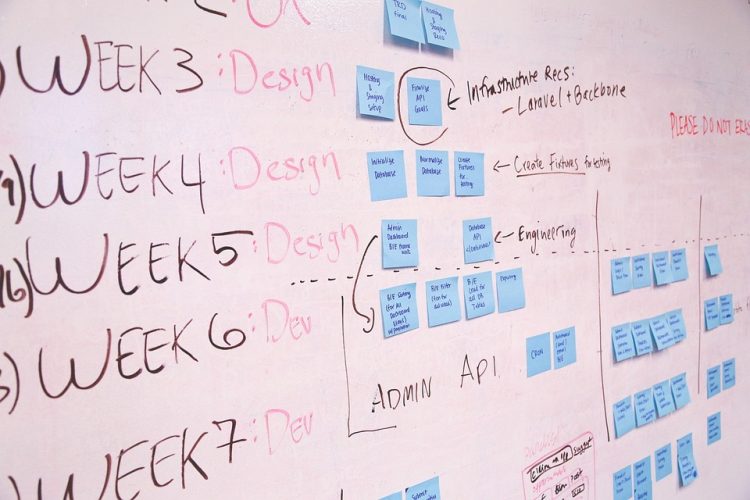
The first step in developing a SaaS application is planning and gathering the requirements. Automation can help document requirements systematically, ensuring all stakeholders are aligned. Tools like Jira and Trello can automate task tracking and management, allowing you to create backlogs, user stories, and sprints with ease. Automated requirement analysis tools can also help in identifying potential discrepancies or conflicts in the requirements earlier, reducing rework later.
Design and Prototyping
Designing the architecture and user interface of your SaaS application is a critical phase. Automation tools can generate prototypes quickly based on initial design inputs. Tools such as Figma and Sketch offer plugins and integrations that automate repetitive design tasks and create sharable mockups. Furthermore, automated design validation can ensure that the design adheres to established standards and guidelines, minimizing issues during development.
Development
SaaS app development involves writing code and integrating various components. Here, automation can play a pivotal role in various ways:
- Code Generation: Automated code generation tools like Hygen and Yeoman can rapidly create boilerplate code, speeding up the development process and ensuring consistency across different modules.
- Version Control and Collaboration: Tools such as GitHub Actions and GitLab CI/CD can automate version control, enabling seamless collaboration among development teams.
- Continuous Integration: Automated continuous integration (CI) processes automatically test and merge code changes, ensuring that the integration of new code does not break existing functionality.
Testing
Testing is a crucial part of the development process, and automation can significantly enhance efficiency and coverage. Automated testing frameworks like Selenium, Cypress, and Jest allow for comprehensive testing across different scenarios and environments. By integrating these testing tools into your CI/CD pipeline, you can ensure that tests are automatically executed whenever code changes are made, thereby speeding up the identification and resolution of issues.
Deployment
Deployment automation ensures that your SaaS application is delivered seamlessly across different environments. Tools like Docker and Kubernetes can automate the containerization and orchestration of applications, ensuring consistent deployments. Additionally, using Infrastructure as Code (IaC) tools like Terraform or Ansible can automate the provisioning and management of infrastructure, reducing the likelihood of human error.
Monitoring and Maintenance
After deployment, monitoring and maintaining the application is crucial for operational success. Automated monitoring tools such as New Relic and Datadog provide real-time insights into application performance, alerting you to potential issues before they impact users. Automated scripts can also be used to apply patches and updates, ensuring that the application remains secure and up-to-date without manual intervention.
Integrating Machine Learning and AI
Emerging technologies like machine learning (ML) and artificial intelligence (AI) are opening new avenues for automation in SaaS development. Predictive analytics can forecast potential system failures or user churn, allowing for proactive measures. AI-driven code review tools can spot errors or optimization opportunities that might be missed by human developers. Machine learning can also be employed to analyze user behavior and tailor application features to better meet user needs, thus enhancing the user experience.
Challenges in Implementing Automation
While automation offers numerous benefits, it is essential to acknowledge the challenges associated with its implementation. These include the initial cost of integrating automation tools and the learning curve for teams unfamiliar with these technologies. Moreover, over-reliance on automation might lead to reduced human oversight, which can overlook nuances in complex scenarios. Therefore, a balanced approach that combines human expertise with automated processes is necessary for successful implementation.
Conclusion
Automation is a powerful ally in the development of SaaS applications, enhancing efficiency, reliability, and scalability. By automating repetitive tasks across different stages of the development life cycle, teams can focus more on innovation and less on routine activities. However, the successful adoption of automation requires careful planning, a clear understanding of needs, and a balanced approach that leverages both human and machine strengths. As technology continues to evolve, incorporating automation into your SaaS development strategy will be crucial for staying competitive and delivering high-quality products.


0 Comments