
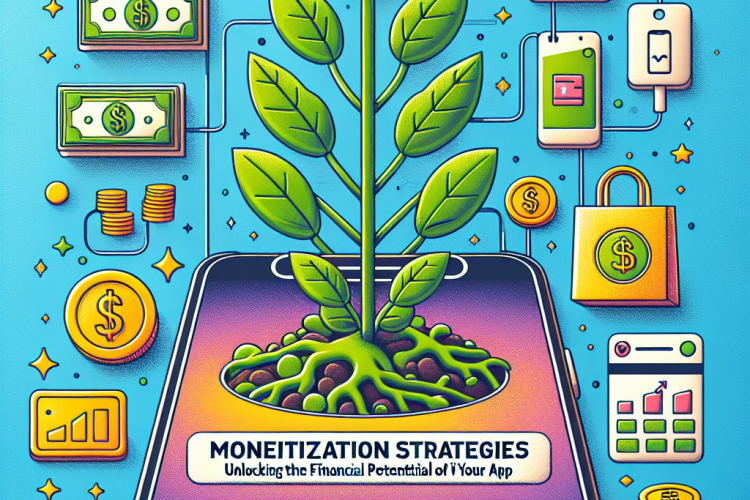
In today’s digital age, the mobile app industry is booming, offering developers and companies vast opportunities to connect with users. However, the real challenge lies in transforming these digital products into profitable ventures. Efficiently monetizing your app is crucial to its success and sustainability. Whether you are an indie developer or part of a large team, understanding and implementing effective monetization strategies can unlock the financial potential of your app.
Understanding App Monetization
App monetization refers to the process of generating revenue from an app. It involves choosing the right methods and strategies to convert app users into paying customers while ensuring the app remains attractive and engaging. There are several monetization models, each with its own set of advantages and challenges.
1. In-App Advertising
In-app advertising is one of the most popular monetization strategies. It involves displaying advertisements within the app, allowing developers to earn revenue based on user interactions with these ads. Advertisements can be presented in various formats, including banners, interstitials, videos, and native ads.
Benefits of In-App Advertising
- No Cost to Users: Since the app remains free, users are more likely to download and use it.
- Diverse Ad Formats: From video ads to banners, developers can choose formats that best suit their app’s design and user experience.
Challenges of In-App Advertising
- User Experience: Intrusive ads can negatively affect user experience, potentially leading to user drop-off.
- Ad Blockers: Some users may employ ad blockers that prevent these ads from being displayed.
2. In-App Purchases
In-app purchases (IAP) involve selling virtual or physical goods within the app. This model is prevalent in gaming apps, where users purchase items like power-ups, virtual currencies, or character skins to enhance their gaming experience.
Benefits of In-App Purchases
- Increased Engagement: Users who invest in the app tend to engage more thoroughly with its offerings.
- Flexible Pricing: Developers can offer a wide range of items at different price points.
Challenges of In-App Purchases
- Regulatory Hurdles: Compliance with app store guidelines and regulations can be complex.
- User Pushback: Over-reliance on IAP may be met with resistance from users expecting value without additional costs.
3. Freemium Model
The freemium model provides basic app features for free while charging for premium features. This model effectively attracts a large user base and then converts a portion of the users into paying customers.
Benefits of Freemium Model
- Scalability: Easily scales to accommodate large numbers of users with minimal cost.
- User Base Growth: Attracts users with free offerings, allowing developers to showcase premium features.
Challenges of Freemium Model
- Conversion Rates: A small percentage of users may convert to paying customers.
- Balancing Features: Ensuring free users have enough access without compromising the appeal of premium features.
4. Subscription Model
In the subscription model, users pay a recurring fee to access app content and services. This model is popular among content-driven apps like music and video streaming services.
Benefits of Subscription Model
- Steady Revenue: Provides predictable, recurring revenue streams.
- Customer Loyalty: Encourages long-term user engagement and interaction.
Challenges of Subscription Model
- User Retention: Sustaining user interest over long periods can be challenging.
- Pricing Strategy: Setting the right price for subscription value can be complex.
5. Sponsorship and Partnerships
Sponsorship involves collaborating with brands and businesses to integrate their marketing efforts into the app, while partnerships may involve co-developing features or content with other companies.
Benefits of Sponsorship and Partnerships
- Additional Revenue: Provides an alternative revenue stream outside traditional advertising.
- Enhanced Content: Partnerships can enrich app content, improving the user experience.
Challenges of Sponsorship and Partnerships
- Alignment: Ensuring aligned goals between parties can be difficult.
- Brand Fit: Maintaining user trust requires careful partner selection to ensure brand compatibility.
6. Paid Apps
While less common today, charging users an upfront fee to download an app is a straightforward strategy. This approach requires the app to demonstrate clear value before purchase.
Benefits of Paid Apps
- Immediate Revenue: Each download provides direct income.
- High Quality Expectations: Users perceive paid apps as higher quality, leading to a more dedicated user base.
Challenges of Paid Apps
- Market Competition: Free alternatives can sway potential customers away from purchasing.
- User Acquisition: Initial user acquisition can be challenging without free offerings.
7. Data Monetization
Data monetization involves collecting and analyzing user data to improve app features or sell insights to third-party companies. This strategy requires strict compliance with privacy laws and guidelines.
Benefits of Data Monetization
- Enhanced User Insights: Helps developers improve app functionality and user satisfaction.
- Additional Revenue: Offers opportunities to supplement income through data sales.
Challenges of Data Monetization
- Privacy Concerns: Handling sensitive data requires meticulous care and compliance.
- User Trust: Maintaining user trust is critical and any breach can be detrimental.
8. Crowdfunding
Crowdfunding involves raising funds from a large number of people, typically via specialized platforms. This method engages users early on and can validate market interest.
Benefits of Crowdfunding
- Validation: Proves market interest before full development.
- Community Engagement: Builds a community of backers who have vested interests.
Challenges of Crowdfunding
- Time-Consuming: Campaigns require significant preparation and ongoing management.
- Uncertain Outcomes: Success is not guaranteed, and failure can impact credibility.
Conclusion
Monetizing an app requires a strategic approach, combining different revenue streams to unlock its financial potential. By understanding each model’s strengths and challenges, developers can create a tailored strategy that resonates with their audience and maximizes revenue. Success hinges on innovation, user experience, and the ability to adapt to evolving market trends. As the mobile app landscape continues to grow, staying informed and agile will be vital to thriving in this competitive environment.



0 Comments