
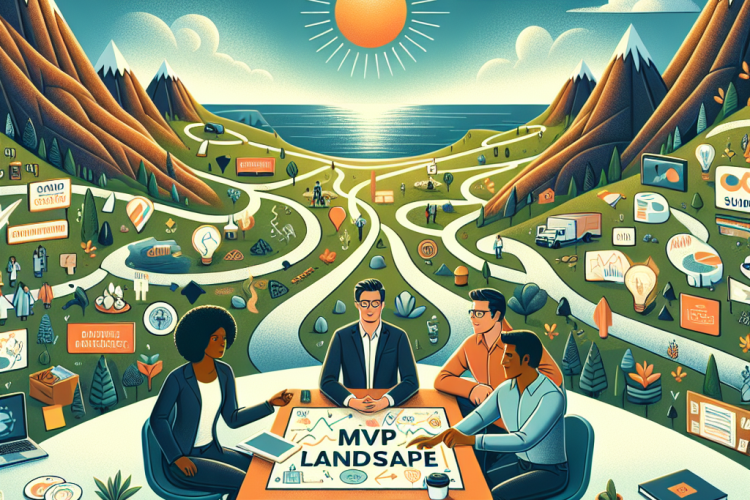
Understanding the MVP Concept
The Minimum Viable Product (MVP) is a fundamental concept in the startup ecosystem. It refers to the initial version of a product that is built with just enough features to attract early adopters and validate the business idea. This approach allows entrepreneurs to test their hypotheses in the market with the least amount of effort and resources.
In essence, the MVP is not about completeness; rather, it’s about learning. By releasing a product with core functionalities, entrepreneurs can gather user feedback, understand market demands, and make informed decisions for future iterations. The MVP strategy minimizes risk while maximizing the learning process, which is vital in the unpredictable world of startups.
Identifying Your Core Features
Creating an MVP starts with identifying the core features that address a specific problem for your target audience. This requires extensive research and understanding of your market needs. Entrepreneurs should ask themselves:
- What problem am I solving?
- Who are my target users?
- What minimum features will solve their pain points?
To effectively determine essential features, conduct surveys, interviews, and focus groups with potential users. Prioritize features using a framework like the MoSCoW method (Must have, Should have, Could have, Won’t have). This prioritization helps focus development resources on what truly matters.
Building the Right Team
Launching an MVP requires a dedicated team with diverse skills. Founders should look for individuals who are not just technically proficient but are also passionate about the project. Key roles might include:
- Product Manager: To oversee the MVP development process and ensure alignment with business goals.
- Developers: Technical experts to build the product effectively.
- Designers: To craft an intuitive user experience.
- Marketers: To facilitate user acquisition and feedback collection.
A collaborative and communicative team environment fosters creativity and problem-solving, essential for overcoming challenges in the MVP development process.
Utilizing Agile Methodologies
Agile methodologies are critical when it comes to MVP development. They promote iterative processes, allowing teams to adapt quickly to feedback and changes in user requirements. Key practices include:
- Sprints: Short development cycles that enable rapid feature delivery and testing.
- Continuous Feedback: Regular interactions with users to gather insights and iterate on the product.
- Minimum Documentation: Focus on essential documentation that adds value rather than exhaustive records.
This flexibility in development ensures that the MVP can evolve according to real-world user interactions and market changes.
Testing and Feedback Loops
Once the MVP is launched, gathering user feedback is crucial for its success. Create channels for users to provide insights about their experiences. Various methods include:
- Surveys: Structured questionnaires that offer quantitative data about user satisfaction.
- User Interviews: Personal interactions that provide qualitative insights into user motivations and challenges.
- Analytics Tools: Monitoring user behavior through data analytics to identify usage patterns and areas for improvement.
Establishing a clear feedback loop helps in refining the product, enhancing user experience, and ultimately driving growth.
Measuring Success: KPIs for Your MVP
Defining success metrics is fundamental for evaluating the performance of your MVP. Key Performance Indicators (KPIs) may include:
- User Engagement: Metrics that track how often and how deeply users interact with the product.
- Conversion Rates: The percentage of users who take desired actions, such as signing up or making a purchase.
- Customer Acquisition Cost (CAC): The total cost of acquiring a new customer, which demystifies marketing expenditure.
- Net Promoter Score (NPS): A measure of customer loyalty and satisfaction that helps anticipate retention rates.
By focusing on these KPIs, entrepreneurs can assess whether the MVP is on track to meeting business objectives or if pivots are needed.
Pivots or Perseverance
After analyzing the data and feedback, founders must decide whether to pivot or persevere. A pivot involves changing aspects of the MVP based on what the market demands, while perseverance means refining and improving the current approach. Factors to consider include:
- Is there a substantial user base willing to pay for the product?
- What specific feedback do users provide? Is it feasible to implement changes?
- Are competitors gaining traction in the same space?
Making informed decisions at this stage can spell the difference between success and failure in the MVP lifecycle.
Iterative Development: The Path to a Full-Fledged Product
Transitioning from an MVP to a fully developed product requires ongoing iteration based on user feedback and market needs. Continuous improvement should focus on:
- Feature Expansion: Gradually adding more features that enhance user experience without overwhelming existing users.
- Performance Improvements: Regular updates that improve speed, reliability, and customer satisfaction.
- User Engagement Strategies: Initiatives designed to deepen customer interaction and increase retention rates.
This iterative approach ensures that the product evolves in alignment with user expectations and market trends.
The Role of Community Engagement
Building a community around the MVP can significantly boost its success. Engaging users fosters loyalty and word-of-mouth marketing. Strategies include:
- Regular Communication: Keeping users informed about updates, bug fixes, and new features through newsletters and social media.
- Involvement in Decision Making: Encouraging users to participate in surveys or feedback sessions that directly influence the product roadmap.
- Creating User Groups: Establishing forums or social media groups where users can interact, share experiences, and support one another.
A strong community can act as a sounding board, offering ideas for new features and validating concepts before major releases.
Celebrating Small Wins
Startups often focus on major milestones, but celebrating small wins is equally important. Acknowledge achievements such as:
- Launching a new feature
- Reaching a specific number of users
- Receiving positive customer feedback
These small victories serve as motivation for the team and help build a positive culture that pushes the project forward.
Lessons from Successful MVPs
Studying successful MVPs can provide valuable insights for entrepreneurs. Notable examples include:
- Dropbox: Originally launched with a simple video explaining the functionality, it garnered attention before building a complete product.
- Airbnb: Started as a simple landing page to test interest in short-term rentals before expanding its platform.
- Zappos: Tested the market by posting pictures of shoes online and initially purchasing them from local stores after receiving orders.
These case studies highlight the importance of validating ideas before committing extensive resources to full-scale development.
Navigating Challenges in the MVP Journey
The path to developing an MVP is fraught with challenges. Entrepreneurs may encounter issues such as:
- Scope Creep: The temptation to add more features beyond the MVP’s core can dilute the product’s essence.
- Market Misalignment: Failing to correctly identify user needs can lead to an MVP that doesn’t resonate with the target audience.
- Resource Limitations: Budget constraints can impact the quality of the MVP and its marketing efforts.
Proactively addressing these challenges through careful planning can lead to a more successful MVP launch.
Conclusion
Navigating the MVP landscape is a multifaceted journey that demands strategic thinking, agile methodologies, and robust user engagement. Entrepreneurs must remain focused on core principles: understanding user needs, iterating based on feedback, and measuring success through relevant KPIs. By establishing strong community ties and celebrating small wins, founders can build a loyal user base that supports and guides product development.
Ultimately, the MVP process is not just about launching a product; it’s about fostering learning, adaptability, and growth. By embracing the principles of MVP development, entrepreneurs can increase their chances of building sustainable and successful businesses in today’s competitive market.



0 Comments