
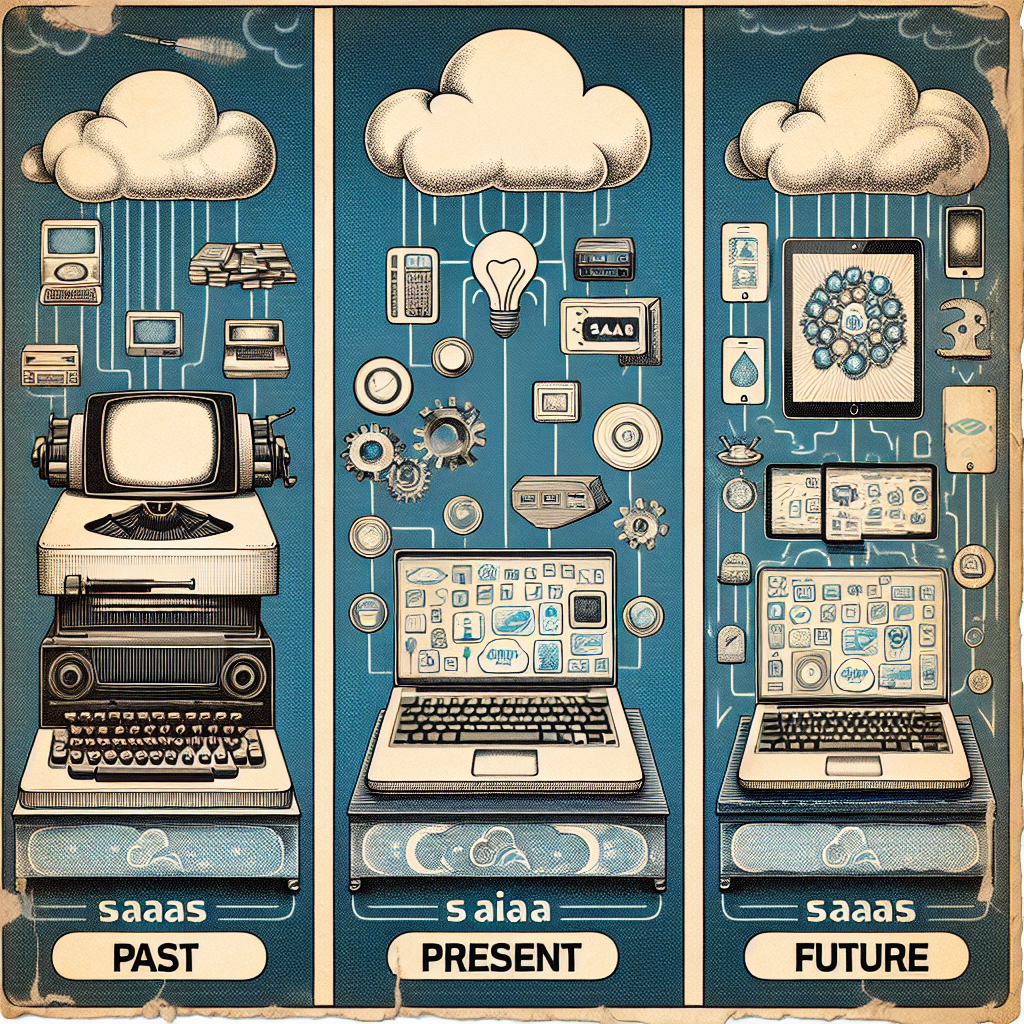
![Navigating the SaaS Landscape: [Company Name]’s Guide to Effective App Development](https://kmfinfotech.com/blogs/wp-content/uploads/2025/12/Navigating-the-SaaS-Landscape-Company-Names-Guide-to-Effective-App-750x500.png "Navigating the SaaS Landscape: [Company Name]’s Guide to Effective App Development")
Introduction
The Software as a Service (SaaS) industry has exploded over the last decade, becoming a fundamental part of the modern business ecosystem. For companies like [Company Name], developing a SaaS product involves a series of strategic decisions and technical implementations aimed at delivering value through accessible technology. This guide explores the process of effective app development within the SaaS model, highlighting strategies, challenges, and best practices.
Understanding SaaS
SaaS is a distribution model where applications are hosted by a service provider and made available to customers over the internet. Unlike traditional on-premises software, SaaS eliminates the need for hardware installation, maintenance, and often complex software management.
Key benefits of SaaS include flexibility, scalability, and cost efficiency. However, these benefits come with challenges such as data security, compliance, and integration with existing systems.
Strategizing SaaS Development
Successful SaaS development starts with a clear strategy. It is crucial to define the value proposition and target market early in the process. Conducting market research and understanding customer pain points enable [Company Name] to create a product that truly meets user demands.
Strategic planning also involves choosing the right pricing model, which could vary from subscription-based to usage-based pricing models, each with its advantages and drawbacks.
Design and User Experience
User experience (UX) plays a pivotal role in SaaS applications. A seamless, intuitive user interface can significantly increase user satisfaction and retention. [Company Name] prioritizes UX in their development process by employing user-centered design principles and continuous user testing.
Technical Implementation
The technical aspect of SaaS app development includes selecting the appropriate technology stack, ensuring robust architecture, and implementing security measures. [Company Name] might choose technologies like cloud computing platforms, microservices architecture, and containerization to ensure scalability and reliability.
Security is another critical component, encompassing data encryption, authentication mechanisms, and regular security audits to protect sensitive information and comply with regulations.
Continuous Integration and Deployment
Implementing continuous integration and continuous deployment (CI/CD) pipelines allows [Company Name] to streamline the development process. CI/CD enables frequent updates and enhancements without service disruption, ensuring the application evolves with user needs and technological advancements.
Monitoring and Performance Optimization
Post-launch, it’s vital to monitor the application’s performance. Using analytics and monitoring tools helps [Company Name] track user engagement, identify bottlenecks, and maintain system health. Performance optimization efforts might involve load testing, optimizing code efficiency, and ensuring database performance.
Customer Support and Feedback
Effective customer support is essential in the SaaS landscape. Providing multiple channels for customer support, such as chat, email, and phone, allows users to get assistance promptly. Moreover, actively collecting and analyzing customer feedback can guide future developments and enhance the product. [Company Name] establishes a robust support system and feedback loop as part of its strategy.
Scaling and Growth
Scaling a SaaS application involves strategic planning and resource management. [Company Name] must evaluate infrastructure needs, optimize resource allocation, and potentially onboard strategic partners to facilitate growth. The ability to scale efficiently can significantly impact the firm’s competitive edge in a rapidly evolving market.
Conclusion
Navigating the SaaS landscape requires a holistic approach, balancing strategic planning with technical execution. [Company Name]’s guide highlights the importance of understanding the market, prioritizing user experience, implementing robust technologies, and maintaining a proactive growth strategy. By addressing these elements, [Company Name] can develop a SaaS product that not only meets current user expectations but also adapts to future market demands, ultimately ensuring long-term success and sustainability.


0 Comments