
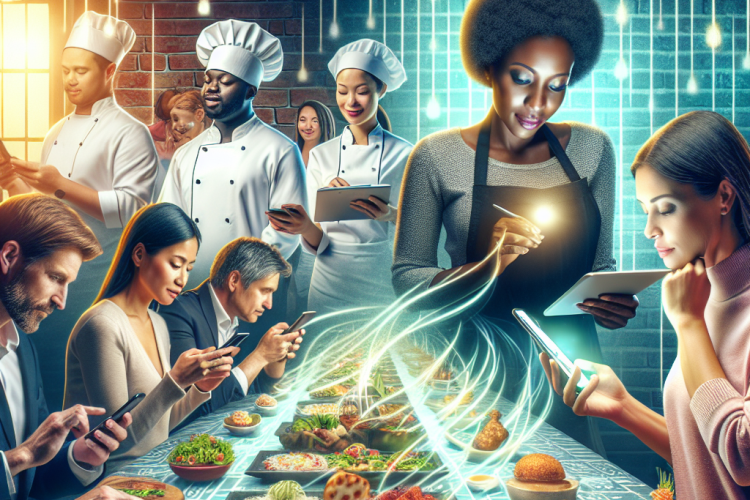
The rapid advancement of technology has fundamentally changed the way we interact with the world around us. One of the most significant transformations can be seen in the restaurant industry, where the advent of restaurant apps has revolutionized both customer experiences and kitchen operations. These apps are doing much more than simplifying ordering processes; they are creating a seamless connection between patrons and dining establishments. This article delves into how restaurant apps are bridging the gap between customers and kitchens, enhancing efficiency, and fostering a more personalized dining experience.
The Rise of Restaurant Apps
With smartphone penetration skyrocketing globally, the restaurant industry has swiftly adapted to this new landscape. Restaurant apps have become indispensable tools for both customers and operators. From casual diners to fine dining restaurants, these apps are present in almost every niche, aiming to streamline operations and cater to the evolving expectations of today’s tech-savvy consumers.
Several factors have contributed to the rapid adoption of restaurant apps. The convenience of having menus, ordering options, and customer reviews at one’s fingertips is immensely attractive to modern consumers who seek efficiency and transparency. Additionally, the COVID-19 pandemic accelerated the need for contactless solutions, propelling the widespread use of apps for delivery, takeout, and even touchless dine-in experiences.
Enhancing Customer Experiences
Convenience and Accessibility
At the core of restaurant apps is the promise of convenience. Customers can browse through menus at their leisure, explore new cuisines, and place orders directly from their smartphones. This ease of access eliminates the need for physical menus and phone calls, catering to a generation that values immediacy and simplicity.
The integration of features such as GPS provides customers with the ability to find nearby restaurants, view open hours, and even make reservations. This accessibility extends beyond the ordering process, as customers can also track their orders in real-time, receiving updates on preparation and delivery status.
Personalization
Restaurant apps also offer unparalleled personalization options. By leveraging customer data, they can provide tailored recommendations based on previous orders and preferences. This level of customization not only enhances customer satisfaction but also fosters a sense of connection between the diner and the restaurant.
Loyalty programs and exclusive promotions can also be seamlessly integrated into apps, encouraging repeat business and rewarding customers for their continued patronage. The ability to save favorite dishes and dietary preferences further enhances the personalized experience, making it easy for customers to reorder their favorite meals with minimal effort.
Interactivity and Engagement
Engagement is another critical aspect that restaurant apps enhance. Through push notifications, social media integration, and interactive elements such as gamification, apps can keep customers engaged and informed about upcoming events, new menu items, and special deals.
Apps can also facilitate direct communication between customers and restaurants. Whether it’s to provide feedback, ask questions, or request special accommodations, this direct line of communication allows establishments to respond to customer needs promptly, enhancing the overall dining experience.
Streamlining Kitchen Operations
Order Management
Restaurant apps are not just about enhancing customer experiences; they also play a crucial role in improving kitchen efficiency. By integrating digital ordering systems, kitchens can receive orders directly through an app, minimizing human error and speeding up the process.
The digital nature of app-based orders allows for better organization and prioritization. Orders are sent directly to the kitchen display systems, where chefs and staff can view them in real-time, reducing the chances of miscommunication and ensuring timely preparation.
Inventory Management
Effective inventory management is a critical component of restaurant operations, and apps aid significantly in this regard. By integrating inventory tracking systems, apps provide real-time data on ingredient availability. This information not only helps avoid stockouts but also aids in reducing food waste by allowing kitchens to plan better.
Additionally, data analytics provided by these systems offer insights into popular menu items, seasonal trends, and customer preferences. Restaurants can use this data to optimize their menus and make informed purchasing decisions, ultimately enhancing operational efficiency.
Staff Coordination
Furthermore, restaurant apps facilitate better coordination among staff members. By streamlining communication between front-of-house and back-of-house teams, these apps reduce the chances of misunderstandings and errors. Automated notifications alert staff to order changes or special requests, ensuring everyone is on the same page.
The ability to manage reservations, monitor table turnover, and assign tasks directly through an app enhances staff productivity and allows for better resource allocation. This streamlined workflow contributes to a more harmonious work environment, ultimately benefiting the restaurant as a whole.
Challenges and Considerations
While restaurant apps offer numerous advantages, they also present certain challenges that establishments must navigate. One of the primary concerns is the initial investment in developing and maintaining a robust app. Smaller restaurants, in particular, may find this cost prohibitive, which could widen the gap between larger chains and independent establishments.
Data privacy is another critical consideration. Collecting customer data for personalization and analytics requires strict adherence to privacy regulations. Restaurants must implement secure data management practices to build and maintain trust with their patrons.
Moreover, over-reliance on technology can be detrimental if not managed properly. Technical glitches, app downtime, or system failures can disrupt operations and negatively impact the customer experience. Restaurants must therefore invest in reliable technology and have contingency plans in place to mitigate such issues.
The Future of Restaurant Apps
The future of restaurant apps looks promising, with emerging technologies poised to take customer experiences and kitchen operations to new heights. Innovations such as virtual reality (VR) and augmented reality (AR) could enhance menu interactions, offering immersive experiences that appeal to tech-savvy diners.
The integration of artificial intelligence (AI) holds the potential to revolutionize personalization further. AI algorithms can analyze vast amounts of data, learning from customer behaviors and preferences to offer even more tailored recommendations and promotions.
Additionally, advancements in voice recognition technology could enable voice-activated app navigation and ordering, providing an even more accessible experience for users on the go.
Conclusion
Restaurant apps have undeniably bridged the gap between customers and kitchens, reshaping the culinary landscape in the process. By enhancing convenience, personalization, and engagement for customers, and streamlining order management, inventory tracking, and staff coordination for restaurants, these apps have become integral to modern dining experiences.
While challenges such as cost and data privacy remain, the benefits of restaurant apps are evident, and their role is set to expand as technology continues to evolve. As we look to the future, embracing these digital innovations will be key for restaurants aiming to stay competitive and cater to the demands of an increasingly tech-centric world.


0 Comments