
Introduction
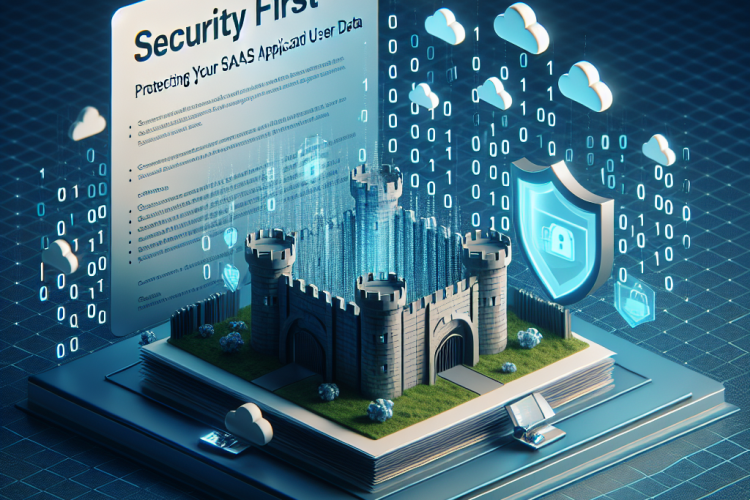
In the modern digital landscape, Software as a Service (SaaS) has become a predominant model for delivering software. Its convenience, scalability, and flexibility have resulted in widespread adoption across various industries. However, alongside these benefits, significant security challenges arise. Protecting your SaaS application and user data is not only critical for compliance but also essential for maintaining trust and reputation. This article explores the best practices and strategies to ensure your SaaS application is both secure and reliable.
Understanding the SaaS Security Landscape
Security concerns in SaaS applications arise from multiple factors: multi-tenancy, third-party integrations, and cloud infrastructure vulnerabilities. Furthermore, the dynamic nature of threats means that security measures must adapt to continuously evolving risks. Before delving into specific protective measures, it’s essential to understand the security landscape your SaaS application operates within.
Common Security Threats
- Data Breaches: Unauthorized access to sensitive data can have catastrophic consequences for companies and their clients.
- Insider Threats: Employees or contractors with access to critical systems may intentionally or accidentally cause harm.
- Account Hijacking: This involves taking over a user’s account, often through phishing or password theft, to manipulate data or conduct fraudulent activities.
Regulatory and Compliance Obligations
Compliance with regulations such as GDPR, CCPA, and HIPAA is mandatory for SaaS providers handling user data. These regulations impose strict guidelines on data protection, privacy, and reporting breaches. Understanding these regulations is a necessary step in securing your SaaS platform.
Building a Strong Security Foundation
Establishing a robust security foundation involves integrating security into every aspect of your SaaS application, from development to deployment and beyond.
Security by Design
Adopting a security-by-design approach means incorporating security at the earliest stages of development. This includes:
- Threat Modeling: Identify potential threat vectors and system vulnerabilities early in the design phase.
- Secure Coding Practices: Implement code analysis tools to ensure adherence to security best practices during development.
Encryption and Data Protection
Encryption plays a pivotal role in data protection. It ensures that even if data is intercepted, it remains unreadable without the appropriate decryption key.
- Data-at-Rest: Encrypt sensitive data stored on servers, databases, and backups.
- Data-in-Transit: Use protocols such as TLS to secure data during transmission between the user and the application.
Human Element in SaaS Security
Human errors are often at the core of security breaches. Educating and empowering your team is a critical step in safeguarding your SaaS application.
User Training and Awareness
Regular training sessions should be conducted to keep employees informed about the latest security threats and best practices.
- Phishing Simulations: Conduct exercises that mimic phishing attacks to educate users on identifying threats.
- Access Control Policies: Implement and enforce policies to ensure that only authorized individuals have access to sensitive data.
Incident Response Planning
Preparing for potential security incidents is crucial to minimizing impact. An effective incident response plan should include:
- Defined Roles and Responsibilities: Clearly define who is responsible for managing and communicating during a security incident.
- Communication Protocols: Establish internal and external communication strategies to keep stakeholders informed during an incident.
Leveraging Technology for Enhanced Security
Technology offers various tools and solutions that can significantly enhance the security of your SaaS application. Investing in the right technologies is critical for proactive defense.
Multi-Factor Authentication (MFA)
By requiring users to authenticate using more than one method, MFA adds a crucial layer of security against unauthorized access.
Security Information and Event Management (SIEM)
SIEM solutions provide real-time analysis of security alerts generated by applications and network hardware, helping to detect and respond to threats quickly.
Continuous Monitoring and Vulnerability Management
Regularly scanning for vulnerabilities and monitoring your systems is vital to catching potential security issues before they develop into significant threats.
- Automated Scanning Tools: Use tools to continuously scan for known vulnerabilities and compliance issues.
- Patch Management: Regularly update and patch software to protect against the latest threats.
Conclusion
Protecting your SaaS application and user data requires a multifaceted approach that includes education, strong policies, and cutting-edge technology. By understanding the specific security threats associated with SaaS and diligently implementing best practices, you can shield your application from potential breaches and maintain user trust. Whether through training, encryption, MFA, or continuous monitoring, prioritizing security is not only a compliance requirement but a business imperative. In a world where threats are continually evolving, a proactive and comprehensive security strategy is your strongest ally in safeguarding valuable user data.


0 Comments