
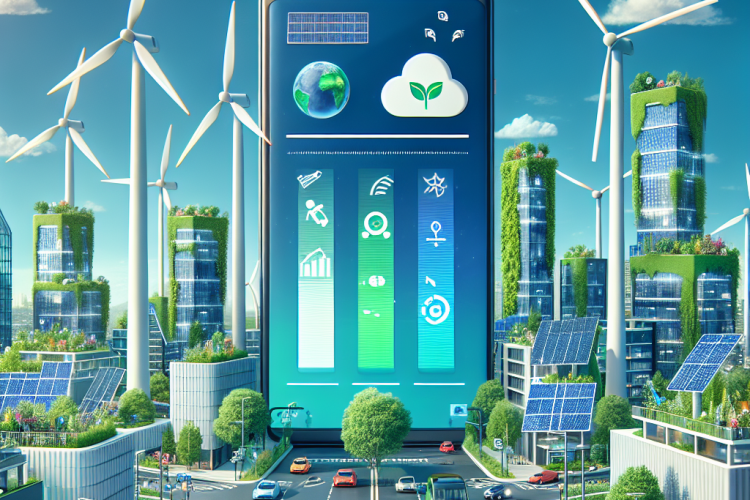
In today’s rapidly evolving digital landscape, sustainability has emerged as a critical priority. The tech industry, especially developers, has a crucial role to play in this effort. As innovators and creators of digital ecosystems, developers can lead the charge towards sustainability by creating eco-friendly apps. These apps not only offer environmentally conscious solutions to users but also contribute to reducing the industry’s environmental footprint.
The Importance of Sustainable Development
Sustainable development in technology focuses on creating systems, applications, and devices that leverage resources responsibly and minimize environmental impact. As global concerns about climate change, resource depletion, and pollution intensify, the push for sustainable innovation becomes even more pressing. The tech industry can lead by example by integrating sustainability into its development practices, resulting in products that align with a greener future.
Understanding Eco-Friendly Apps
Eco-friendly apps are designed to promote environmental sustainability. They may achieve this by optimizing energy consumption, utilizing renewable resources, minimizing waste, or encouraging eco-conscious behaviors among users. By reducing the carbon footprint associated with digital products, developers can significantly impact global sustainability efforts.
Key Strategies for Developing Eco-Friendly Apps
1. Energy Efficiency
One of the primary concerns in app development is energy consumption. Crafting energy-efficient code not only enhances the app’s performance but also extends the battery life of devices. Developers can adopt optimization strategies such as:
- Efficient Algorithms: Implementing efficient algorithms reduces the computational load, thereby conserving energy.
- Resource Management: Ensuring that the app efficiently manages background tasks, data fetching, and network usage.
- Low Power Modes: Incorporating features that automatically switch to low power modes can significantly reduce energy consumption.
2. Cloud Computing
Leveraging cloud infrastructure can help reduce the environmental impact of data storage and processing. Sustainable cloud services use renewable energy and support carbon neutrality. Developers can:
- Choose Green Providers: Opt for cloud service providers that prioritize sustainability.
- Efficient Data Management: Minimize data redundancy and optimize storage by implementing efficient data management practices.
3. Sustainable Material Design
Developers should focus on creating apps with intuitive and user-friendly interfaces while minimizing resource usage. Sustainable design principles include:
- Simplified UI/UX: Reduce complexity in user interfaces to speed up loading times and decrease resource use.
- Minimalist Design: Use minimalist design features that require less processing power and energy.
4. Promoting Sustainable User Behavior
Eco-friendly apps can encourage users to adopt sustainable practices. Features aimed at promoting eco-conscious behavior include:
- Behavioral Nudges: Integrate nudges and alerts to encourage users to make sustainable choices.
- Gamification: Use gamification techniques to incentivize eco-friendly actions within the app.
5. Measuring Impact
Developers should also focus on monitoring and measuring the environmental impact of their apps. Implementing analytics and feedback loops can provide insights into the app’s performance and areas for improvement, ensuring continuous enhancement of sustainability measures.
The Role of Corporations and Policymakers
Corporations and policymakers play a significant role in promoting sustainable app development. By setting standards, offering incentives, and creating awareness, these stakeholders can facilitate a more sustainable tech industry.
1. Corporate Commitment
Companies can commit to sustainable practices by integrating eco-conscious strategies into their business models. This may include:
- Sustainability Goals: Setting clear environmental goals and benchmarks to guide the development process.
- Resource Allocation: Allocating resources to research and development of sustainable technologies.
2. Policy Advocacy
Policymakers can foster an environment that encourages sustainable app development through:
- Regulatory Frameworks: Establishing regulations that promote green development practices.
- Incentives and Grants: Providing financial support for projects focused on sustainability.
Challenges in Building Eco-Friendly Apps
Despite the benefits, creating eco-friendly apps comes with challenges that need addressing:
1. Balancing Performance and Sustainability
Developers often face the challenge of maintaining app performance while reducing energy and resource consumption. Balancing these aspects requires innovative thinking and a thorough understanding of the technology stack.
2. Cost and Resource Constraints
Eco-friendly development practices may require upfront investment in terms of resources and time. Companies must be willing to invest in the long-term benefits of sustainable technologies.
3. User Adoption
Encouraging users to transition to eco-friendly alternatives can be challenging. It’s essential to demonstrate the tangible benefits and usability of sustainable apps to gain widespread acceptance.
Best Practices for Sustainable App Development
To successfully build eco-friendly applications, developers can adhere to the following best practices:
1. Lifelong Learning and Adaptation
Stay informed about the latest trends and technologies in sustainable development to continuously improve app effectiveness and efficiency.
2. Collaborative Efforts
Collaborate with a broad range of stakeholders, including environmental experts, designers, and users, to incorporate diverse perspectives and expertise.
3. Continuous Feedback and Improvement
Implement feedback mechanisms to track the app’s environmental impact and make necessary adjustments. This iterative process ensures the app remains aligned with sustainability goals.
Conclusion
Building eco-friendly apps is not just a trend but a responsibility that developers hold in fostering a sustainable future. By prioritizing energy efficiency, cloud computing, sustainable design, and user engagement, developers can create impactful solutions that contribute to global efforts in mitigating environmental challenges. Embracing sustainable development requires collaboration between corporations, policymakers, and users, ensuring that technological advancements align with the principles of sustainability for generations to come.



0 Comments