
Introduction
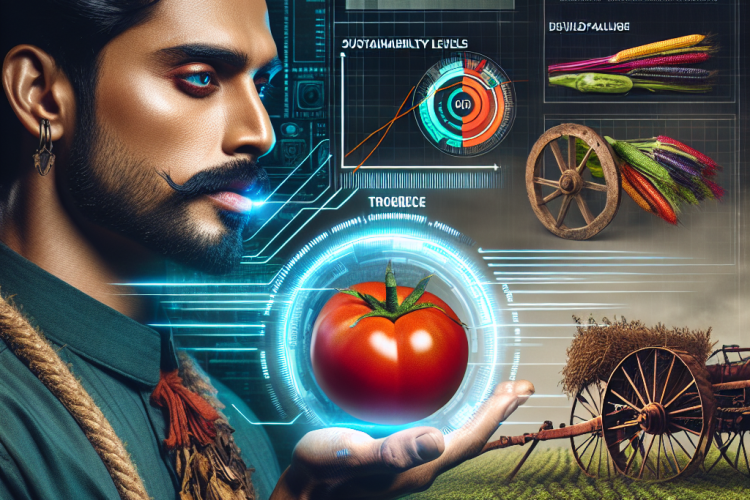
In recent years, the fusion of technology and agriculture has sparked a significant transformation in the farming industry. This amalgamation aims at not only addressing the age-old challenges of agriculture but also promoting sustainable farming practices. At the forefront of this revolution are innovative applications that streamline various farming processes, enhance productivity, and foster environmental conservation.
The Intersection of Technology and Agriculture
The integration of technology into agriculture is not entirely new but its accelerating pace is unprecedented. With the advent of smartphones and the global expansion of internet connectivity, farmers can now access information and resources previously beyond reach. This digital transformation in agriculture, often referred to as “AgTech”, ranges from data-driven crop management to advanced supply chain solutions.
Modern tech advancements, such as IoT, AI, machine learning, and blockchain, are reshaping agriculture by providing precise data analysis and facilitating informed decision-making. These technologies help farmers optimize their operations, ultimately contributing to sustainable farming methods.
Developing Apps for Sustainable Farming
Developing mobile applications for agriculture presents unique opportunities and challenges. With sustainability at its core, these applications are designed to aid farmers in utilizing resources efficiently, reducing waste, and minimizing environmental impacts.
Precision Agriculture Apps
Precision agriculture applications leverage data analytics and IoT to provide farmers with insights into soil conditions, weather forecasts, and crop health. These apps enable farmers to apply resources like water, fertilizers, and pesticides more judiciously, promoting sustainability by preventing overuse and reducing pollution.
Popular precision agriculture apps include CropX, which uses sensor data to analyze soil conditions, and Climate FieldView, which offers comprehensive insights into farming practices and their environmental impacts.
Farm Management Software
Comprehensive farm management applications are vital tools for modern farmers. These platforms integrate various farm operations, such as planning, monitoring, finance, and compliance, into a single system. By digitalizing farm management, these apps reduce redundancy and increase efficiency.
Applications like FarmLogs and AgriWebb offer features ranging from crop rotation planning to livestock monitoring, enabling farmers to maintain sustainable and productive farms.
Sustainable Supply Chain Solutions
Sustainable farming extends beyond harvests; it includes the entire supply chain. Blockchain and AI-driven apps ensure transparency and efficiency in the agricultural supply chain. These technologies help track the origin of products, certify organic practices, and improve logistics.
Apps such as IBM Food Trust and Provenance utilize blockchain to offer consumers insights into the journey of their food from the farm to the table, ensuring authenticity and encouraging sustainable consumption patterns.
Challenges in Developing Agricultural Apps
Despite the potential benefits, developing apps for agriculture faces several challenges. Farmers often operate in remote areas with limited internet connectivity, which poses a significant hurdle for app accessibility and data relay. Moreover, the diversity in farming practices across different regions necessitates apps that are customizable and adaptable to various contexts.
Language and technological literacy barriers also exist, especially in developing countries where tech adoption in farming is still in its early stages. Hence, app developers must ensure their platforms are user-friendly and support multiple languages and regional dialects.
Recent Innovations in AgTech Applications
The landscape of agricultural applications is rapidly evolving, with new technologies constantly being integrated to enhance their functionality. Recent innovations include:
- Drones and Aerial Imaging: Drones equipped with cameras and sensors provide crucial data about crop health, soil conditions, and pest infestations, allowing for precise and sustainable farming interventions.
- AI and Machine Learning: These technologies process vast datasets from farm management apps to predict outcomes and suggest optimal farming strategies.
- Cloud Computing: Cloud-based platforms offer scalable solutions for data storage and real-time analytics, vital for resource management and decision-making.
Environmental and Economic Impacts
The environmental benefits of tech-driven agriculture include reduced chemical runoff, conservation of water resources, and minimized carbon footprints due to efficient logistics. These practices not only promote biodiversity but also contribute significantly to mitigating climate change.
Economically, these technologies empower farmers by reducing costs and increasing yields. Through efficient resource allocation and reduced wastage, farmers can enhance their profitability while adhering to sustainable practices.
Conclusion
The convergence of technology and agriculture is paving the way for a more sustainable future in farming. Applications focusing on precision agriculture, farm management, and sustainable supply chains are crucial in this transformation. Though challenges remain, the ongoing innovation and collaboration among tech developers, farmers, and policymakers hold promise for overcoming these obstacles.
As digital literacy improves and connectivity expands, agricultural apps will play an increasingly pivotal role in creating a resilient and sustainable agricultural system. This marriage of tech and agriculture, thus, marks a transformative step towards feeding the world while preserving the planet for future generations.



0 Comments