
Introduction
In the rapidly evolving landscape of product development, startups and established companies alike find themselves embracing the methodology of creating a Minimum Viable Product (MVP). The core philosophy behind the MVP is to develop and launch a product with just enough features to satisfy early adopters. However, the true secret to MVP success lies in the continuous process of testing, learning, and iterating. Throughout this article, we will explore best practices for leveraging the Test, Learn, Repeat cycle to achieve successful MVP outcomes.
Understanding Minimum Viable Product (MVP)
An MVP is defined as the most stripped-down version of a product that retains enough functionality to attract initial users and gather feedback. By focussing on core functionalities, teams can minimize development costs and produce a product that can be brought to market quicker.
The Importance of MVP
Creating an MVP has several benefits, including:
- Reduced time-to-market.
- Low development costs.
- Early customer feedback.
- Opportunity for innovation.
- Adaptability based on market needs.
The Test, Learn, Repeat Cycle
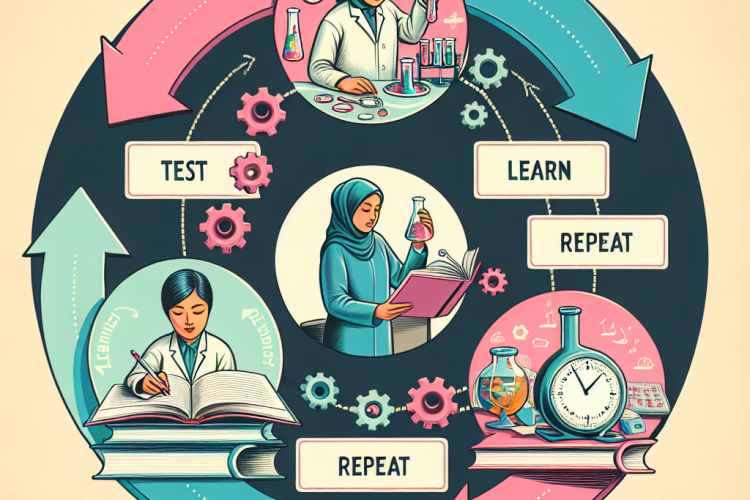
The Test, Learn, Repeat cycle is a fundamental approach that encourages continuous improvement and adaptation. Here’s a breakdown of each phase:
1. Test
During the testing phase, teams deploy their MVP to a segment of their target market. This could involve:
- Conducting usability tests to identify user experience issues.
- Running A/B tests to assess feature performance.
- Gathering qualitative feedback through surveys and interviews.
By collecting both qualitative and quantitative data, teams can gain insights into what resonates with users and what needs improvement.
2. Learn
Once the testing phase is complete, the next step in the cycle is to analyze the data collected. Important strategies to consider include:
- Identifying patterns in user behavior and preferences.
- Understanding what features users value the most.
- Pinpointing areas where users may experience frustration or confusion.
Learning also involves interpreting feedback and actionable insights, which are crucial for making informed decisions moving forward.
3. Repeat
The final stage of the cycle is about iteration. Here, teams should take the insights gained from the learning phase and apply them to refine the product. This can involve:
- Enhancing existing features.
- Removing unnecessary functionalities.
- Implementing new features that users have requested.
By repeating this cycle, teams can continually evolve their product based on real-world data and customer feedback.
Best Practices for Successful MVPs
Implementing the Test, Learn, Repeat approach effectively requires a strategic mindset and attention to detail. Here are some best practices to guide you:
1. Clearly Define Your MVP Goals
Before embarking on the MVP journey, it’s essential to have clear goals in mind. Define what success means for your MVP, whether it’s user retention, engagement, or a specified number of downloads.
2. Focus on Core Features
Identify the key features that are crucial for solving the primary problem you are addressing. Avoid feature bloat and stick to essential functionalities that deliver value.
3. Develop a User-Centric Mindset
Consider your users from the very start. Engage with them during the test phase and keep their needs and preferences at the forefront of your development process.
4. Implement Agile Methodology
Utilizing Agile principles can significantly enhance your MVP development process. Work in short sprints, allowing for timely adjustments based on user feedback.
5. Create a Feedback Loop
A robust feedback loop ensures that user insights are continually integrated into the product development process. This can be achieved through regular surveys, feedback sessions, and analytics tools.
6. Analyze Competitors
Benchmark your MVP against competitors in the market. Understanding their offerings can help you identify opportunities for differentiation and improvement.
7. Prioritize Data-Driven Decisions
Data should inform every decision you make. Utilize analytics tools to measure user engagement, retention rates, and overall satisfaction. This will help you prioritize areas for development and enhancement.
8. Stay Flexible
The biggest perks of the MVP model are its inherent flexibility and adaptability. Be ready to pivot based on user feedback and market trends.
9. Regularly Update and Iterate
Once you launch your MVP, the work isn’t done. Continue to release updates and new features based on ongoing feedback and data analysis.
10. Encourage Communication within Teams
Foster an open communication environment within your team. This ensures that insights from different team members are considered, enhancing the overall quality of the product.
Case Studies of Successful MVPs
To understand the practical application of MVP principles, let’s look at a few case studies of successful MVPs:
1. Dropbox
Dropbox started with a simple video showcasing how their product would work. This video served as their MVP, generating enough interest for them to develop the full product based on initial feedback.
2. Airbnb
Airbnb’s inception stemmed from a simple idea—renting out space in their apartment. The founders created a basic website to test interest and quickly adapted based on user interactions and feedback.
3. Instagram
Originally launched as Burbn, a location-based app, Instagram pivoted based on feedback. They simplified their platform to focus solely on photo sharing, a move that propelled them to massive success.
Common Pitfalls to Avoid
While the MVP approach can be incredibly effective, it’s important to avoid some common pitfalls:
1. Overcomplicating the MVP
One of the most significant mistakes is introducing too many features. A successful MVP focuses on solving a core problem, not on providing every conceivable functionality.
2. Ignoring User Feedback
Ignoring the feedback from early users can lead to catastrophic failure. Always engage with your users and adapt based on their experiences.
3. Neglecting the Market
Focusing solely on product development without understanding the competitive landscape can leave you vulnerable. Keep a close eye on market trends and competitor movements.
4. Losing Focus on Your Goals
As the product develops, teams may lose sight of the initial goals. Regularly revisit your MVP objectives to steer the project back on track if necessary.
Conclusion
In the world of product development, the mantra of “Test, Learn, Repeat” is vital for the success of any Minimum Viable Product. By adopting a structured approach of continuous testing, learning from user feedback, and iteratively refining the product, teams can efficiently navigate the uncertain terrain of the market. Employing best practices, avoiding pitfalls, and applying lessons from successful case studies can significantly increase the chances of achieving MVP success. Ultimately, the key lies in staying agile, user-focused, and open to the possibilities that each iteration brings. Embrace the cycle, and your MVP could very well transform into a successful full-scale product, resonating with users and driving your business forward.



0 Comments