

Introduction
In the ever-evolving landscape of entrepreneurship, launching a new product or service can feel like navigating a ship through uncharted waters. Countless ideas may spark excitement, but how do you discern which ones are worth pursuing? This is where the Minimum Viable Product (MVP) comes into play—an essential tool for validating business concepts while minimizing risk and maximizing learning opportunities.
What is a Minimum Viable Product (MVP)?
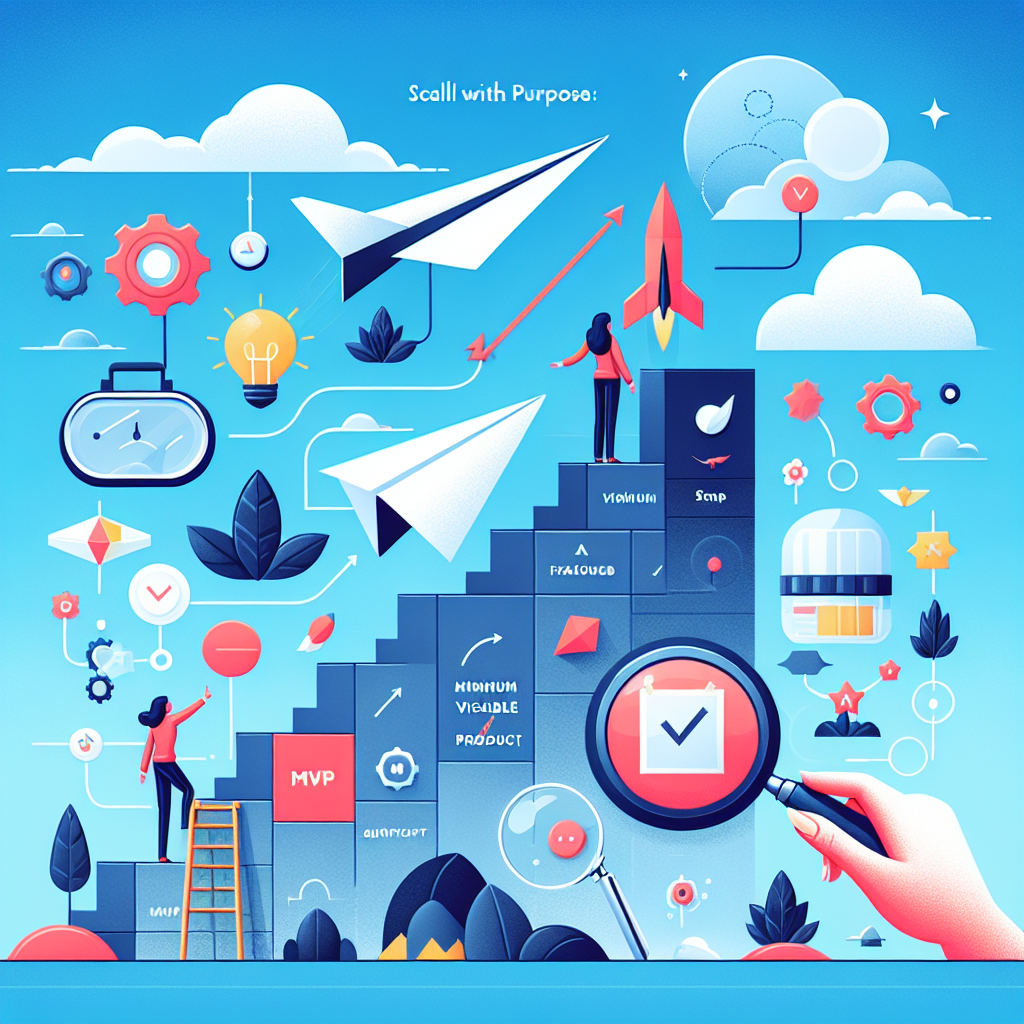
An MVP refers to the most basic version of a product that still delivers core functionalities to users. It’s designed to be built and launched quickly, allowing entrepreneurs to gather feedback and iterate based on real user behavior. The MVP concept focuses on solving a problem for a target audience while keeping development costs low.
The Importance of Validation
Business validation is critical for several reasons:
- Risk Mitigation: Minimizing the financial and emotional investment in untested ideas.
- Customer Insights: Understanding user needs, preferences, and behaviors to shape future product iterations.
- Informed Decisions: Enabling data-driven decision-making rather than guesses based on assumptions.
- Increased Investor Confidence: Demonstrating market demand can attract potential investors and partners.
Steps to Building an MVP
1. Identify the Problem
To create a meaningful MVP, begin by identifying a core problem that your target audience faces. Conduct surveys, interviews, and market research to gain insights into the issues that customers encounter. The problem must be significant enough to justify a solution.
2. Define Your Target Audience
Knowing who your users are is crucial. Take the time to profile your ideal customers by understanding their demographics, needs, and preferences. This will help tailor the MVP to address their specific pain points.
3. Develop Core Features
isolate the essential features that will solve the identified problem. An MVP should focus on a few key functionalities rather than trying to include all features at once. Consider what your product needs to do to provide value without overwhelming users.
4. Create a Prototype
The next step is to design a prototype that incorporates the core features. This can be a simple wireframe or a more interactive version. Prototyping provides an opportunity to visualize the product and gather additional feedback before full development.
5. Build and Launch
Once the prototype has been tested and refined, it’s time to build the MVP. The goal is to develop the product quickly without compromising quality. After launch, be ready to gather user feedback immediately.
6. Gather Feedback and Iterate
Post-launch, actively seek user feedback through surveys, interviews, and analytics. Track user behavior to identify pain points and areas for improvement. Use this data to make informed updates and enhancements to the product.
Common MVP Mistakes to Avoid
1. Overbuilding
One of the most common pitfalls is trying to add too many features in the initial version. Stick to the basics and remember that the MVP is about testing assumptions, not providing a complete solution.
2. Ignoring User Feedback
Feedback from early users is invaluable. Ignoring it can lead to wasted resources and missed opportunities for improvements. Regularly engage with users and incorporate their feedback into the product development process.
3. Neglecting Marketing
Even the best MVP can struggle without proper marketing. Develop a marketing strategy to reach your target audience and generate interest before and during the launch.
4. Focusing Solely on Technology
While technology is important, focusing solely on it can obscure the primary goal of solving a user problem. Ensure that user experience and value proposition remain at the forefront of development efforts.
Examples of Successful MVPs
1. Dropbox
Dropbox started as a simple video showing how the product would function. The video generated significant interest, allowing the team to gauge demand before investing in development.
2. Airbnb
Initially, Airbnb’s founders set up a simple website to rent out their own apartment. By gathering feedback from early users, they refined their platform over time, eventually turning it into a billion-dollar enterprise.
3. Zappos
Zappos began by selling shoes online using a simple MVP. The founder took photos of shoes from local stores and listed them online, confirming that there was a market for online shoe sales before fully committing to inventory.
Measuring MVP Success
To determine whether an MVP is successful, consider the following metrics:
- User Engagement: Analyze how actively users engage with the product.
- Retention Rates: Measure how many users return after their first experience.
- Customer Feedback: Gather qualitative data on user satisfaction and suggestions for improvement.
- Conversion Rates: Track the percentage of users taking desired actions, such as signing up or making a purchase.
Iterating on Your MVP
Iteration is a crucial part of the MVP process. Based on the data collected, prioritize which features to add or modify next. Continuous iteration helps ensure that the product evolves in line with user needs.
Conclusion
Building a Minimum Viable Product is an invaluable strategy for entrepreneurs looking to validate their business concepts without incurring excessive risk. By focusing on essential features, gathering user feedback, and iterating based on real-world insights, businesses can navigate the uncertain waters of product development more effectively. A successful MVP not only validates assumptions but also paves the way for future growth and innovation. Embracing the process of trial and error with an MVP mentality can ultimately lead to a sustainable and impactful business.


0 Comments