
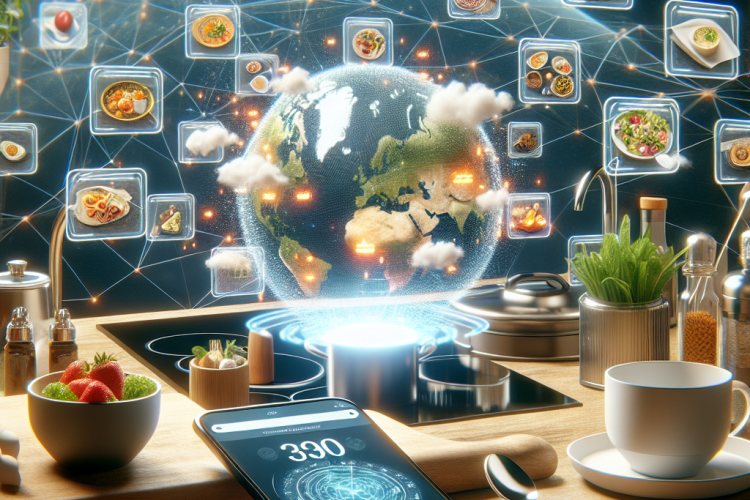
The concept of dining has evolved significantly over the years, with technological advancements leading to novel dining experiences and business models. One of the most exciting developments in recent years is the rise of cloud kitchens. Also known as dark kitchens, ghost kitchens, or virtual kitchens, cloud kitchens are revolutionizing the way food is prepared and delivered, challenging traditional restaurant models. This article delves into the innovations in cloud kitchen apps that are shaping the future of dining.
Understanding Cloud Kitchens
Cloud kitchens are commercial facilities built to produce food specifically for delivery, without a storefront for walk-in customers. This model allows for reduced overhead costs, as there is no need for waitstaff, dining spaces, or prime real estate locations. Instead, cloud kitchens focus on efficiency and scalability, often hosting multiple brands under one roof. This setup is ideal for entrepreneurs and restaurant chains looking to explore new markets with minimal investment.
The Rise of Cloud Kitchen Apps
The growth of cloud kitchens is closely tied to the development of innovative applications that facilitate online food ordering and delivery. These apps have become crucial in connecting consumers with cloud kitchens, streamlining the ordering process, and enhancing the overall dining experience. The following sections examine some of the key innovations in cloud kitchen apps.
Seamless User Experience
One of the primary goals of cloud kitchen apps is to provide a seamless and intuitive user experience. This involves ensuring that the app interface is user-friendly, with easy navigation, clear menus, and straightforward ordering processes. Innovations in this area include:
AI-Powered Recommendations
By leveraging artificial intelligence, cloud kitchen apps can offer personalized recommendations based on a user’s past orders, preferences, and browsing behavior. This not only enhances the user experience but also increases the likelihood of repeat business.
Voice-Activated Ordering
With the rise of voice-activated technology, some cloud kitchen apps are integrating voice recognition features, allowing users to place orders through natural language commands. This innovation caters to the growing demand for hands-free technology and accessibility.
Advanced Order Management
Cloud kitchen apps are equipped with advanced order management systems that ensure efficient and accurate order processing. Key features in this area include:
Real-Time Order Tracking
Transparency in the order process is crucial for customer satisfaction. Cloud kitchen apps provide real-time tracking of orders, allowing customers to monitor the preparation and delivery stages. This feature builds trust and reduces anxiety related to delivery wait times.
Dynamic Kitchen Allocation
Some apps employ algorithms to allocate orders to the most suitable kitchen based on factors like proximity, workload, and kitchen capacity. This ensures timely delivery and optimal resource utilization.
Integrated Payment Solutions
A streamlined payment process is vital for a successful cloud kitchen app. Innovations in payment solutions aim to enhance security, convenience, and flexibility. Notable developments include:
Contactless Payments
The demand for contactless payment options has surged, driven by the need for hygiene and convenience. Cloud kitchen apps are integrating digital wallets and near-field communication (NFC) technologies to facilitate secure, contactless transactions.
Subscription Models
To foster customer loyalty and ensure steady revenue streams, some cloud kitchen apps are introducing subscription models. These plans offer benefits like discounted rates, free delivery, or exclusive menu items for a recurring fee.
Enhanced Delivery Options
Delivery efficiency is at the heart of the cloud kitchen model, and innovations in this area are transforming how food reaches consumers. Key innovations include:
Drone Deliveries
Unmanned aerial vehicles, or drones, are being explored as a means to revolutionize food delivery. While still in the experimental phase in many regions, drones promise to circumvent traffic congestion and reduce delivery times.
Autonomous Vehicles
Self-driving vehicles are another exciting innovation in food delivery. Cloud kitchen apps are partnering with technology companies to test autonomous delivery vehicles, aiming to enhance efficiency and reduce labor costs.
Data-Driven Decision Making
Data analytics play a pivotal role in optimizing cloud kitchen operations. Apps are equipped with analytical tools that provide insights into customer behavior, kitchen efficiency, and market trends. Innovations in data utilization include:
Predictive Analytics
Cloud kitchen apps use predictive analytics to forecast demand, optimize menu offerings, and reduce food waste. By understanding patterns and trends, businesses can better align supply with demand.
Customer Feedback Loops
Innovative feedback systems allow customers to rate and review their experiences directly within the app, providing valuable data for continuous improvement. This close feedback loop helps cloud kitchens refine their products and services in real time.
Sustainability Initiatives
As consumers become more environmentally conscious, cloud kitchen apps are adopting sustainability initiatives to appeal to eco-friendly diners. Innovative practices in this area include:
Eco-Friendly Packaging
Many cloud kitchens are opting for biodegradable or reusable packaging to minimize environmental impact. Apps actively promote these sustainability efforts, aligning with consumers’ eco-friendly values.
Energy-Efficient Operations
Cloud kitchens are leveraging energy-efficient appliances and practices to reduce their carbon footprint. Apps highlight these sustainability credentials, enhancing brand image and attracting environmentally aware consumers.
Conclusion
The future of dining is being reshaped by the innovations in cloud kitchen apps, which are transforming how food is prepared, ordered, and delivered. These advancements offer unparalleled convenience, efficiency, and personalization for consumers, while also providing businesses with flexible, scalable, and sustainable models. As technology continues to evolve, cloud kitchen apps will likely explore new frontiers, including further integration of artificial intelligence, expanded delivery options, and enhanced sustainability practices.
The ongoing evolution of cloud kitchen technology presents both opportunities and challenges for the food industry. Businesses that embrace these innovations can remain competitive in a rapidly changing landscape, offering new and exciting dining experiences to consumers worldwide.


0 Comments