
Introduction
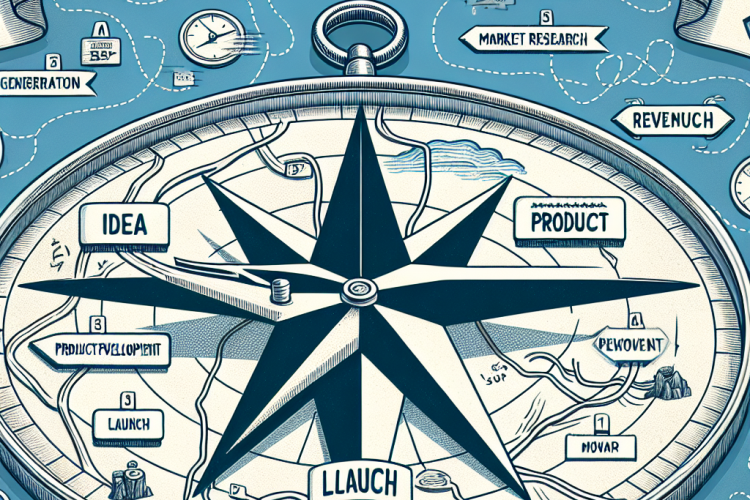
In today’s fast-paced business environment, launching a product that successfully meets the needs of users is paramount. The concept of a Minimum Viable Product (MVP) has emerged as a pivotal strategy for businesses looking to validate their ideas quickly while minimizing resource expenditure. An MVP is a development technique in which a new product is introduced in the market with the bare minimum features necessary to satisfy early adopters. This article serves as a comprehensive roadmap for businesses aiming to create a successful MVP, outlining essential steps to follow in this journey.
Understanding the MVP Concept
The understanding of what constitutes an MVP is crucial. An MVP is not merely a simplified version of a product; it is a strategy to gather the maximum amount of validated learning about customers with the least effort. By focusing on core functionality that addresses users’ pain points, businesses can gather critical feedback that informs future iterations. This systematic approach mitigates the risk of product failures often associated with traditional methodologies that prioritize extensive initial features over user feedback.
Step 1: Identify a Problem to Solve
Launching an MVP begins with identifying a significant problem that potential customers face. Conducting thorough market research is essential, as it provides insights into the needs and challenges of your target audience. Engage in conversations, surveys, and focus groups to gain a deeper understanding of their pain points. By clearly defining the problem, you set the foundation for creating a product that not only fills a market gap but also resonates with users.
Step 2: Define Your Target Audience
Once the problem is identified, the next step is to define your target audience. Knowing who will use your product is crucial for tailoring features that truly meet their needs. Create user personas that detail demographic information, behaviors, and needs. This helps in understanding the motivations and challenges faced by your target users, guiding the development process effectively.
Step 3: Outline the Unique Value Proposition (UVP)
Your MVP must offer something unique—a clear value proposition that distinguishes it from existing solutions in the market. This UVP should articulate why users should choose your product over others. A strong UVP is critical to attracting initial users, so take time to refine it, ensuring it is clear, concise, and compelling.
Step 4: Prioritize Core Features
With a clear understanding of the problem, target audience, and unique value proposition, the next step is to prioritize features that will be included in the MVP. Focus on core functionalities that directly address the identified problem while omitting non-essential features that can be added later. Use techniques like the MoSCoW method (Must have, Should have, Could have, Would have) to systematically evaluate which features are critical for the MVP launch.
Step 5: Develop the MVP
With the features defined, it’s time to move into the development phase. Depending on the complexity of the product, this can range from a simple prototype to a fully functional application. It’s essential to adopt Agile methodologies during the development process to facilitate flexibility and adaptability. Regular testing and iteration during development ensure that you remain aligned with user needs and can pivot as necessary.
Step 6: Release the MVP and Gather Feedback
After development, launch your MVP to your target audience. Early adopters are crucial at this stage, as they can provide invaluable feedback based on their experience with the product. Use surveys, interviews, and analytics tools to gather both qualitative and quantitative data. This feedback loop is vital for understanding what works, what doesn’t, and what users expect moving forward.
Step 7: Analyze Feedback and Iterate
Analyzing feedback efficiently can help you learn how to improve your product. Identify patterns in user feedback and prioritize feature updates based on actual user experiences. Iteration is a continuous process; as you implement changes, continue to test and seek feedback from users. This cycle of feedback and iteration ensures that your product evolves based on real user needs, which can significantly enhance its market fit.
Step 8: Enhance and Scale
With user feedback integrated into your product, begin enhancing your MVP by adding features that your users have indicated they desire. This step is about scaling your product in a way that builds on its original value proposition. Look at the data from your MVP launch to inform decisions on which new features to prioritize. Scaling should adhere to maintaining a balance between user expectations and the original core essence of your product.
Step 9: Market Your Product
As your product is refined and begins to take shape, it’s important to develop a marketing strategy that communicates your unique value proposition effectively. Utilize various channels—social media, content marketing, email campaigns, and influencer partnerships—to increase product visibility. A targeted marketing strategy can significantly help in acquiring new users while keeping existing ones engaged.
Step 10: Measure Success and Adjust Strategies
Define key performance indicators (KPIs) to measure the ongoing success of your product. Consider metrics such as user engagement, satisfaction scores, retention rates, and conversion rates. Monitoring these metrics will help you understand your product’s performance and areas requiring adjustment. Be prepared to make strategic pivots or enhancements based on performance data to ensure sustained growth.
Conclusion
The roadmap to developing a Minimum Viable Product is filled with strategic steps that require careful thought, planning, and execution. By understanding and adhering to this roadmap, businesses can minimize risks associated with product launches while maximizing the chances of success. The Lean Startup methodology underpins the MVP approach, emphasizing the value of learning from real users and making data-driven decisions, leading to products that genuinely satisfy market needs. With creativity and careful consideration, your MVP can evolve into a robust product that achieves both business objectives and customer satisfaction.

0 Comments