

Software as a Service (SaaS) has revolutionized the way businesses operate. From CRM systems to project management tools, SaaS products are integral to modern workflows. Developing a successful SaaS product involves several strategic steps, from ideation to launch. This article will guide you through each stage of the process.
1. Ideation and Market Research
The journey begins with ideation, where you conceptualize your product. Start by identifying a problem that your software will solve. Conduct thorough market research to validate your idea:
- Identify Your Target Audience: Who will benefit from your product?
- Analyze Competitors: Examine existing solutions in the market.
- Understand Market Needs: Gather feedback from potential users.
2. Defining the Unique Value Proposition (UVP)
Your Unique Value Proposition is what sets your product apart. It’s a clear statement that describes the unique benefit of your software, and why customers should prefer it over others.
3. Planning and Strategy
Once your idea is validated, it’s time to plan your approach:
- Product Roadmap: Define stages of development with timelines and milestones.
- Business Model: Decide on pricing strategy (subscription tiers, freemium, etc.).
- Technology Stack: Choose the technologies you’ll use to build your product.
4. Prototyping and MVP
Develop a Minimum Viable Product (MVP) to validate your assumptions with real users:
- Prototype: Create wireframes or mockups to get early feedback.
- Build MVP: Include only essential features to solve the core problem.
- User Testing: Gather feedback to understand what works and what doesn’t.
5. Design and User Experience
An intuitive design and smooth user experience are crucial. Focus on:
- User Interface (UI): Design an attractive and user-friendly interface.
- User Experience (UX): Ensure the product is easy to navigate and use.
- Accessibility: Make your product accessible to all users.
6. Development and Testing
Develop the core functionalities and rigorously test them:
- Agile Methodology: Use agile practices to iteratively develop features.
- Quality Assurance: Conduct testing to eliminate bugs and improve performance.
- Security: Implement robust security measures to protect data.
7. Marketing and Pre-Launch
Prepare for your product’s debut with a solid marketing plan:
- Branding: Develop a strong brand identity and messaging.
- Digital Marketing: Use SEO, content marketing, and social media to build awareness.
- Launch Strategy: Plan the launch event and initial user acquisition tactics.
8. Launching the Product
Launch your product to the public with a focused approach:
- Monitor Performance: Use analytics to track user engagement and performance.
- Customer Support: Establish channels to support and engage with users.
- Community Building: Foster a community around your product to encourage loyalty.
9. Post-Launch Optimization
Continue to refine and improve your product based on user feedback:
- Feedback Loops: Regularly gather and act on user feedback.
- Feature Updates: Develop new features and improvements.
- Scaling: Prepare to scale the business and infrastructure as demand grows.
Conclusion
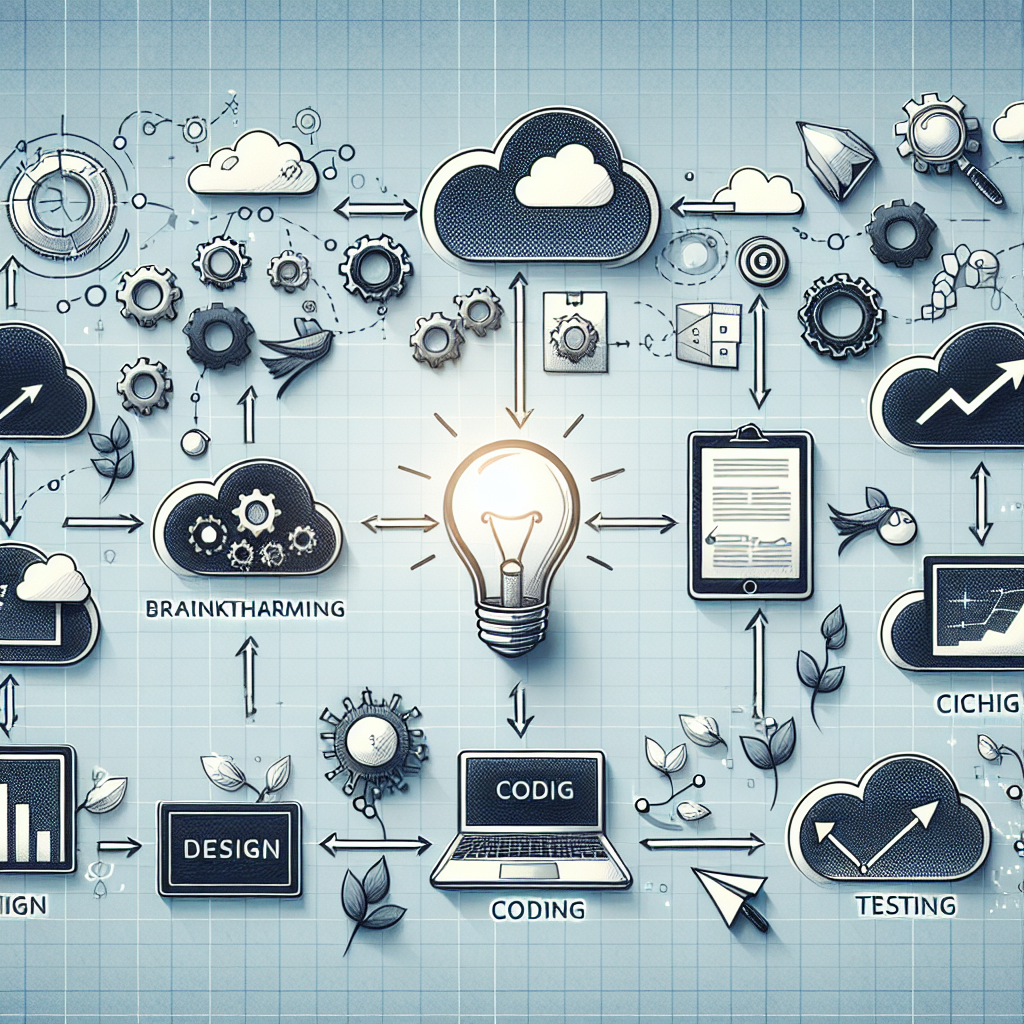
Creating a successful SaaS product is a complex but rewarding journey. By diligently following these steps—ideation, planning, development, and continuous improvement—you can turn a simple idea into a thriving business. Stay customer-focused, adaptable, and proactive, and success will follow.

0 Comments