
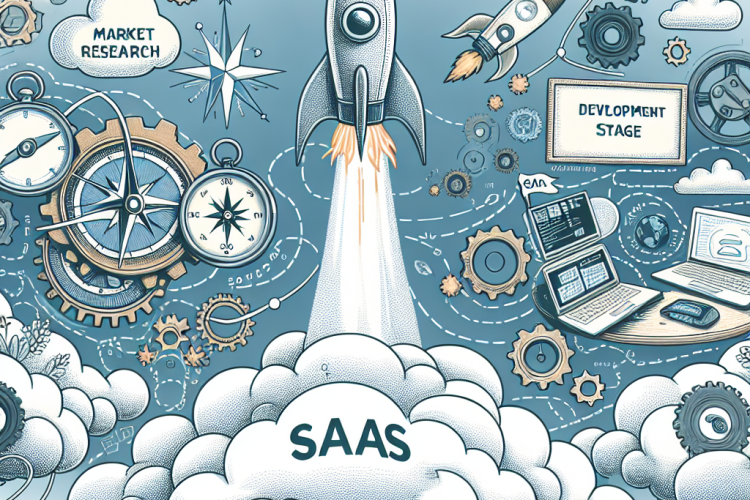
The Software as a Service (SaaS) industry has seen exponential growth in recent years, offering scalable solutions for a wide range of businesses. From market research to product launch, navigating the SaaS development journey requires strategic planning, thorough research, and an agile development process.
Understanding the Market
Before embarking on the development of a SaaS product, it’s crucial to conduct in-depth market research. Identifying the target audience, understanding their pain points, and analyzing competitors are foundational steps.
Identifying Target Audience
Define your ideal customer profile by conducting surveys, interviews, and using data analytics tools. Consider demographics, geographic locations, and business size.
Analyzing Competitors
Study your competitors to understand their strengths and weaknesses. Tools such as SWOT analysis can help create a competitive landscape.
Product Development
Once the market research is complete, you can proceed to product development. This phase involves planning, designing, and building the software.
Planning
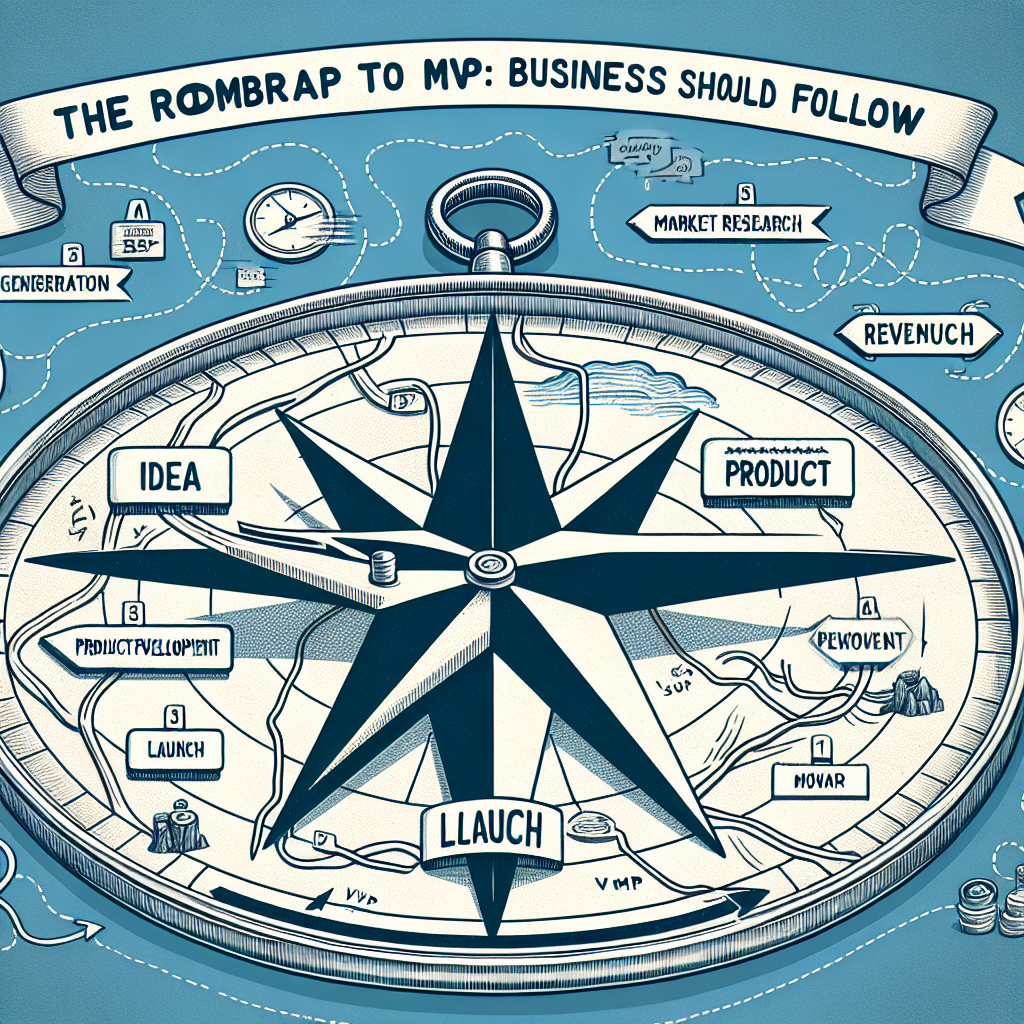
Define product features and functionalities. Create a roadmap to outline development phases and timelines.
Designing
Focus on UX/UI design to create an intuitive and user-friendly interface. Wireframes and prototypes are essential tools in this stage.
Building
Choose the right technology stack that supports scalability, security, and ease of maintenance. Implement agile methodologies for iterative development.
Testing and Feedback
Thorough testing is paramount to ensure product reliability and performance. Employ both manual and automated testing to identify and fix bugs.
Beta Testing
Launch a beta version to a select group of users to gather feedback. Use insights to make necessary adjustments before the full launch.
Marketing Strategy
A well-thought-out marketing strategy is crucial to attract and retain customers. Leverage digital marketing, content marketing, and social media to build awareness and drive sales.
Content Marketing
Generate valuable content to educate your audience about your product’s benefits. Blogs, whitepapers, and webinars can help establish authority and trust.
Social Media
Utilize social media platforms to engage with your audience, share updates, and gather feedback.
Launch and Beyond
After careful planning, development, and testing, it’s time to launch your product. Ensure that your servers and infrastructure can handle the expected load and prepare your support team for increased customer interactions.
Post-Launch Support
Provide excellent customer service and support. Gather user feedback to continuously improve the product.
Measuring Success
Use key performance indicators (KPIs) such as customer acquisition cost (CAC), customer lifetime value (CLTV), and churn rate to measure success and make informed decisions.
Conclusion
Launching a successful SaaS product requires meticulous planning, execution, and continuous improvement. By understanding the market, developing a robust product, and implementing effective marketing strategies, you can navigate the SaaS development journey and achieve long-term success.

0 Comments