
Introduction
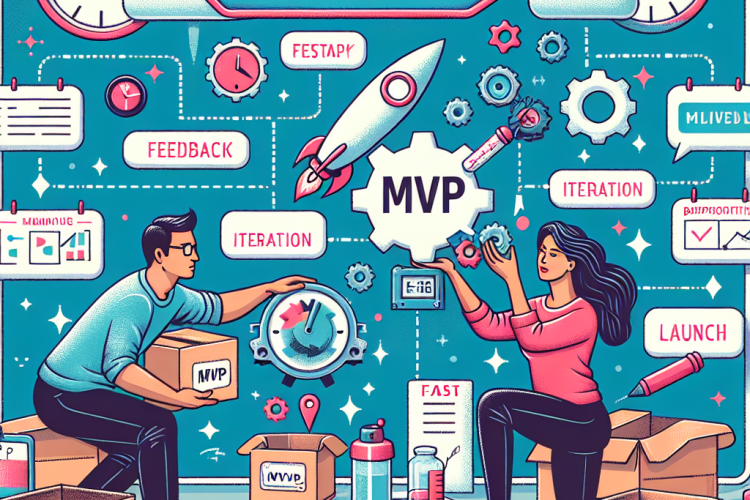
In today’s fast-paced business environment, aspiring entrepreneurs face the challenge of validating their business ideas quickly and efficiently. With countless startup ventures launched each day, ensuring that your concept resonates with your target audience is crucial. This is where Minimum Viable Product (MVP) development comes into play.
An MVP is a simplified version of your product that includes only the essential features needed to satisfy early adopters. This approach allows entrepreneurs to gather feedback, refine their offerings, and minimize wasted resources. In this article, we’ll dive deep into the MVP development process, exploring the steps to validate your business idea rapidly.
Why is MVP Development Important?
Developing an MVP offers several advantages, particularly in terms of cost-effectiveness and speed. Here are a few key reasons why MVP development is essential:
- Cost Efficiency: By developing only the core features, you significantly reduce development costs.
- Focus on Core Values: An MVP forces you to focus on what truly matters to users.
- Faster Time to Market: Rapid development allows you to enter the market sooner and compete effectively.
- User Feedback: Early adopters provide invaluable feedback that informs further development.
- Risk Mitigation: Testing assumptions by releasing an MVP helps identify flaws before investing extensively.
Steps to Develop an MVP
Creating an MVP is a structured process involving several key steps:
1. Define Your Vision
Identify the core problem your business idea aims to solve. Understand your market, potential competitors, and the unique value proposition you plan to offer. Clearly articulating your vision will guide all subsequent steps in the MVP development process.
2. Research Your Market
Conduct thorough market research to validate the existence of a demand for your product. Analyze competitors, assess consumer needs, and gather insights through surveys and interviews. This step provides a solid foundation for your MVP’s features.
3. Identify Key Features
Based on your research, compile a list of features that align with your product vision and address user needs. Prioritize these features, focusing on the ones that provide the most value to your target audience. Remember, the objective is to create a product that solves a problem with minimal functionality.
4. Create User Personas
User personas represent your target audience segments. Developing personas helps you understand the motivations, behaviors, and preferences of your potential customers. This understanding will guide the design and development of your MVP.
5. Design a Prototype
Before diving into development, create a prototype of your MVP. Wireframes and mockups can help visualize the product and identify design flaws early on. Tools like Sketch, Figma, or Adobe XD can assist in creating user-friendly prototypes.
6. Build the MVP
With a prototype in place, move on to the development phase. Focus on coding only the essential features identified earlier. Agile methodologies, such as Scrum or Kanban, can help you manage the development process more efficiently. Ensure that the development team remains aligned with the core vision throughout the build.
7. Test the MVP
Before launching, conduct thorough testing to identify bugs and usability issues. Involve real users in this process to gather feedback. You can utilize tools for usability testing to ensure a seamless user experience.
8. Launch the MVP
Once testing is complete, it’s time to launch your MVP in the market. Choose a suitable platform where your target audience is most active. Monitor the initial response closely, noting any issues that arise.
9. Gather Feedback
Post-launch, gather user feedback through surveys, interviews, and analytics. This feedback will be crucial in shaping the next version of your product. Encourage users to share their experiences and suggestions, and be open to constructive criticism.
10. Iterate and Improve
Using the feedback collected, make data-driven decisions to improve your product. Prioritize updates based on user suggestions and needs. This iterative process will help you refine your offering and better serve your target audience.
Challenges in MVP Development
While MVP development is a powerful technique, entrepreneurs may face several challenges:
- Feature Prioritization: Deciding which features to include can be challenging. Entrepreneurs often find it difficult to let go of ideas they believe are essential.
- Balancing Quality and Speed: There’s often pressure to launch quickly, which can lead to sacrificing quality. Striking a balance is vital.
- Market Misjudgment: Without thorough research, you risk misjudging the market demand for your product, which can lead to failure.
- Feedback Overload: Gathering feedback is valuable, but too much input can be overwhelming. It’s crucial to focus on actionable insights.
- Scaling Issues: If your MVP gains traction quickly, be prepared to scale effectively. Planning for growth in advance is crucial to avoid operational hiccups.
Case Studies of Successful MVPs
Numerous well-known companies started with MVPs to validate their ideas:
1. Dropbox
Before launching its full product, Dropbox created a simple video demo showcasing the software’s functionality. This video was shared widely and helped validate interest before development began.
2. Airbnb
Airbnb began as a simple website where the founders rented out air mattresses in their apartment. This basic offering allowed them to gauge interest and pivot their business model based on actual user experiences.
3. Zappos
Zappos started by testing the market for online shoe sales. The founder took photos of shoes from local retailers and posted them online. When customers showed interest, he purchased the shoes to fulfill orders.
Conclusion
In a world where speed and efficiency are paramount, MVP development provides a structured approach to validating business ideas quickly. By focusing on core features, conducting thorough market research, and gathering feedback from real users, entrepreneurs can minimize risks and ensure that their products meet genuine needs.
While challenges may arise during the development process, the potential rewards of launching a successful product far outweigh the hurdles. By learning from examples of successful MVPs and iterating based on user feedback, aspiring business owners can improve their chances of creating a product that resonates with their audience and ultimately drives success.
Ultimately, MVP development is not just about creating a product; it’s about understanding your customers and delivering value. Embrace the process, stay adaptive, and your business idea can flourish.


0 Comments