

Introduction
Once a startup has successfully launched its Minimum Viable Product (MVP), the focus shifts from merely creating a product to scaling it. Scaling is about growth, reaching more users, and expanding the business sustainably. This article explores various strategies that can help businesses effectively grow beyond their MVP phase.
Understanding the MVP Stage
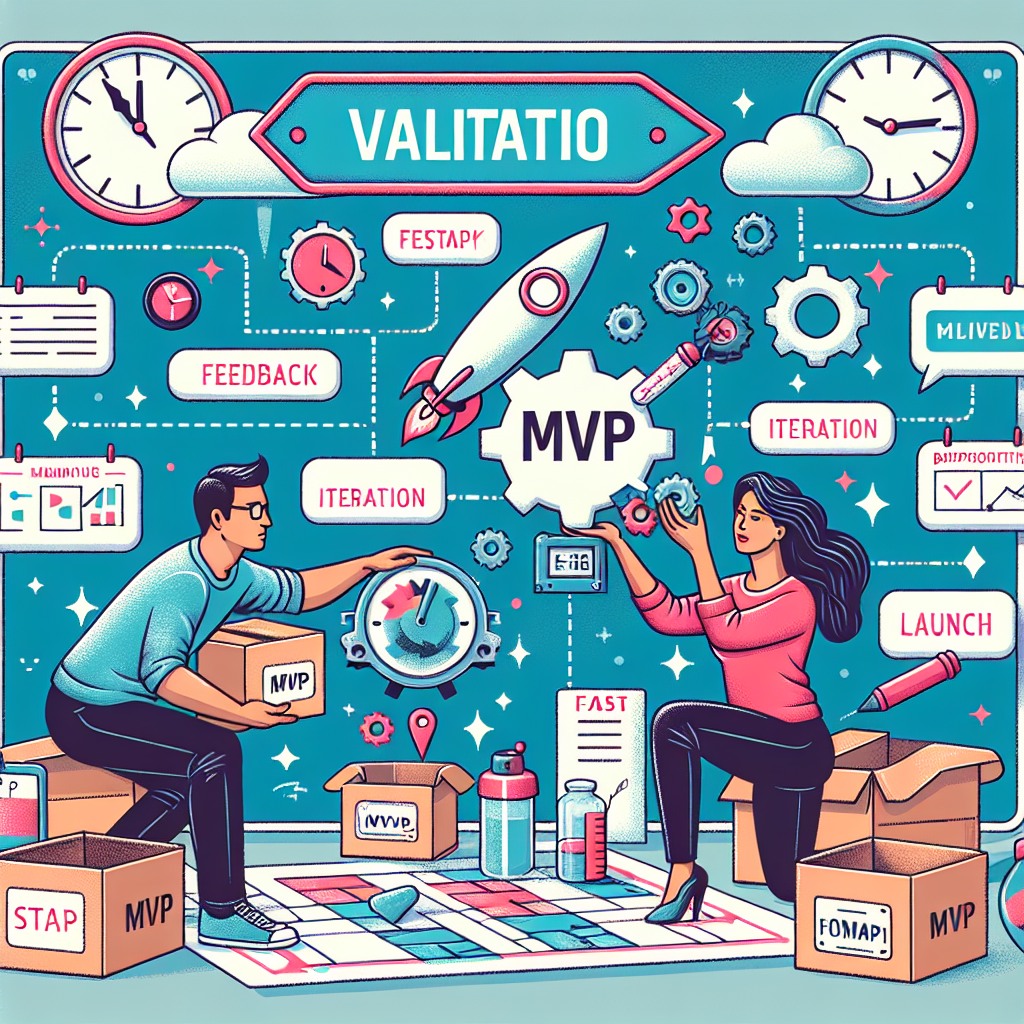
The MVP stage is where businesses test their core product features in the market with the least effort and cost. The main goals are to gather user feedback, validate market demand, and iterate quickly based on real-world usage. Once these objectives are achieved, the foundation for scaling is set.
Strategies for Growth After Launch
1. Analyzing User Feedback
Post-launch, it’s crucial to analyze the feedback received from your initial users. Their insights can guide your growth strategy significantly.
- Conduct Surveys: Regularly reach out to users through surveys to gather information on their experience.
- User Interviews: Schedule one-on-one interviews with key users to understand their pain points and feature requests.
- Analytics Tools: Leverage tools like Google Analytics and Mixpanel to track user behavior and identify trends.
2. Optimizing Product Features
Based on insights from user feedback, it’s vital to refine and optimize product features. Focus on:
- Improving Core Features: Enhance the features that users love most.
- Removing Unused Features: Consider eliminating features that are rarely utilized to simplify the user experience.
- Iterative Development: Use agile methods to deploy improvements quickly.
3. Enhancing User Experience (UX)
User experience plays a crucial role in customer retention and brand loyalty. Investing in enhancing UX can yield significant long-term benefits.
- UI Design Improvements: Invest in modernizing your app or website interface.
- Simplifying Navigation: Ensure users can easily find what they need without confusion.
- Mobile Optimization: With mobile usage on the rise, ensure your platform is fully responsive and functional on all devices.
4. Expanding Marketing Efforts
Once the product and user experience have been optimized, it’s time to focus on marketing to reach a broader audience.
- Content Marketing: Create valuable content that positions your brand as an expert in your field.
- Social Media Marketing: Utilize platforms where your target audience engages the most.
- PPC Advertising: Run targeted ad campaigns to attract new customers.
5. Building a Community
Fostering a community around your product can increase user engagement and loyalty.
- Online Forums: Create spaces for users to share experiences and insights.
- Webinars and Events: Host events to engage your audience and collect further feedback.
- Customer Support: Provide outstanding support to build trust within the community.
6. Implementing a Referral Program
Referral programs can significantly accelerate growth by encouraging existing users to bring in new ones.
- Incentives: Offer rewards for referrals, such as discounts or free features.
- Ease of Sharing: Make it easy for users to share your app through social media or email.
- Track Performance: Monitor the success of your referral program to make necessary adjustments.
7. Strategic Partnerships
Collaborating with other businesses can expose your product to new markets.
- Identify Complementary Services: Look for companies offering products or services that complement yours.
- Co-Marketing Opportunities: Partner on marketing campaigns that benefit both parties.
- Cross-Promotions: Share each other’s products to your respective audiences.
8. Scaling Operations
As user demand grows, it’s essential to scale operations accordingly to maintain service quality.
- Hiring: Bring in additional team members skilled in development, marketing, and customer service.
- Automating Processes: Implement tools to automate customer service and communication.
- Outsourcing: Consider outsourcing non-core functions to focus on your primary objectives.
9. Financial Planning and Management
Successful scaling requires sound financial management to support growth initiatives.
- Budget Allocation: Allocate budgets for marketing, development, and team expansion.
- Funding Options: Explore funding options like venture capital, angel investors, or crowdfunding.
- Cash Flow Management: Carefully track cash flow to ensure the business remains viable during scaling.
10. Measuring Growth and Success
Establish key performance indicators (KPIs) to measure the success of your growth efforts.
- User Acquisition Cost (UAC): Monitor the cost of acquiring new customers.
- Customer Lifetime Value (CLV): Calculate the total revenue expected from a user over their relationship with your business.
- Churn Rate: Track the rate at which customers stop using your service, and implement strategies to retain them.
Challenges of Scaling
While the potential for growth is exciting, scaling also brings its own set of challenges:
- Resource Management: Balancing growth with resource allocation can be difficult.
- Maintaining Quality: Rapid scaling can threaten product quality and customer satisfaction.
- Market Competition: As you grow, larger companies may see you as a threat and respond aggressively.
Conclusion
Scaling beyond an MVP is a complex but rewarding journey. By leveraging user feedback, optimizing products, enhancing marketing efforts, and managing resources wisely, businesses can transition smoothly from initial launch to sustainable growth. It’s crucial to remember that growth should not come at the expense of quality. A customer-centric approach, fostering community and engagement, along with sound financial management, will position your startup for success in a crowded marketplace. Ultimately, as you scale, keeping your user base engaged and satisfied will be the key to long-term prosperity.


0 Comments