
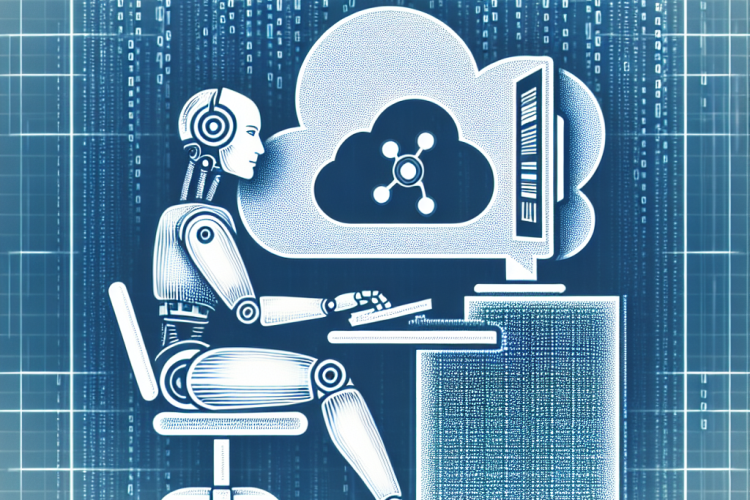
Software as a Service (SaaS) platforms have revolutionized the way businesses operate, providing them with scalable, efficient, and cost-effective solutions. The emergence of Artificial Intelligence (AI) has further transformed these platforms, enabling them to offer more sophisticated, personalized, and smart services. This article explores the intricate role of AI in transforming SaaS platforms, elucidating its impact, benefits, and potential future developments. From automation and data analysis to enhancing user experience, AI’s influence is profound, promising a new era for SaaS solutions.
Understanding SaaS and AI
Before delving into the impact of AI on SaaS platforms, it is crucial to understand what each term signifies. SaaS platforms provide cloud-based services where applications are hosted remotely and accessed over the internet. These platforms eliminate the need for physical installation, reducing overhead costs and providing seamless updates.
On the other hand, AI encompasses a broad range of technologies, including machine learning, natural language processing, and robotics, aimed at creating systems capable of performing tasks that usually require human intelligence. The integration of AI into SaaS platforms transforms these platforms into intelligent systems that can learn, adapt, and potentially self-improve.
AI-Driven Automation
One of the most significant contributions of AI to SaaS platforms is automation. AI technologies enable these platforms to automate repetitive and time-consuming tasks, allowing businesses to allocate resources more strategically. Automation improves consistency, reduces errors, and enhances efficiency, contributing to increased productivity.
For example, customer support processes on SaaS platforms can be significantly enhanced with AI-driven chatbots. These bots can handle inquiries 24/7, provide accurate responses, and escalate issues to human operators when necessary. This seamless interaction not only enhances user satisfaction but also reduces operational costs.
Enhanced Data Analysis and Insights
The era of big data has made data analysis a pivotal aspect of business operations. AI enhances SaaS platforms by enabling advanced data analysis capabilities. Machine learning algorithms analyze vast datasets to identify patterns, trends, and anomalies that may not be apparent through conventional analysis.
AI-driven analytics provide businesses with actionable insights, empowering them to make informed decisions. Predictive analytics models, for instance, can forecast market trends, customer behavior, and operational efficiencies, allowing companies to adapt strategies proactively.
Personalization and User Experience
SaaS platforms leverage AI to deliver personalized experiences to users. Through machine learning algorithms, platforms analyze user behavior and preferences, crafting tailored experiences that meet individual needs. This personalization extends to content recommendations, interface adjustments, and targeted marketing campaigns.
Enhanced user experiences yield higher satisfaction rates, encouraging user retention and loyalty. SaaS providers can continually refine their offerings based on user feedback and interaction data, creating a dynamic and user-centric environment.
Security Enhancements
Security is paramount in SaaS platforms, and AI plays a crucial role in safeguarding data integrity and preventing breaches. AI-enabled security systems can detect anomalies and potential threats in real-time. Automated monitoring and response mechanisms ensure swift action, mitigating risks and protecting sensitive information.
Machine learning algorithms can adapt to changing threat landscapes, continually improving security protocols and staying one step ahead of malicious actors. This adaptability enhances trust in SaaS platforms, reassuring users that their data is secure.
AI in Customer Relationship Management (CRM)
Customer Relationship Management (CRM) systems within SaaS platforms are significantly enhanced through AI integration. AI streamlines customer interactions, providing valuable insights into customer preferences, behavior, and potential needs. This data-driven approach enables businesses to engage with customers more effectively, fostering lasting relationships.
AI-driven CRM systems offer predictive sales analytics, automated follow-ups, and personalized communication strategies, all of which contribute to improved sales performance. Businesses can better anticipate customer needs, enhancing satisfaction and building brand loyalty.
Operational Efficiency and Cost Reduction
The integration of AI into SaaS platforms drives operational efficiency and cost reduction. By automating complex processes and optimizing workflows, businesses can achieve greater efficiency with fewer resources.
AI algorithms can optimize resource allocation, improve supply chain management, and enhance demand forecasting. These efficiencies translate into significant cost savings, enabling businesses to reinvest in growth and innovation.
Challenges and Considerations
Despite the numerous benefits AI brings to SaaS platforms, challenges remain. Ensuring data privacy and adhering to regulations are crucial considerations in AI implementation. Companies must balance leveraging data-driven insights with maintaining user trust and complying with legal requirements.
Furthermore, the rapid pace of AI development necessitates constant adaptation. Businesses must stay abreast of technological advancements, updating their systems to leverage the latest capabilities while ensuring compatibility and integration with existing infrastructures.
Future Prospects
The future of AI in SaaS platforms is promising, with continuous advancements on the horizon. The proliferation of AI technologies such as deep learning and cognitive computing will enable even more sophisticated applications, transforming SaaS platforms into more intuitive, efficient, and versatile solutions.
Businesses can anticipate further innovations, such as the integration of AI with Internet of Things (IoT) devices, augmented reality (AR), and virtual reality (VR), each contributing to richer and more immersive user experiences.
Conclusion
AI’s role in transforming SaaS platforms is undeniably transformative, offering a suite of capabilities that redefine conventional SaaS functionalities. From automation and predictive analytics to enhanced security and personalized user experiences, AI amplifies the advantages of SaaS platforms, driving innovation and growth.
While challenges such as data privacy and rapid technological advancement require careful navigation, the benefits of AI in SaaS are profound and far-reaching. As technology continues to evolve, AI’s influence on SaaS platforms will only deepen, heralding an era of unprecedented possibilities and solutions. For businesses ready to embrace AI-driven SaaS platforms, the future is abounding with potential, awaiting exploration and application.



0 Comments