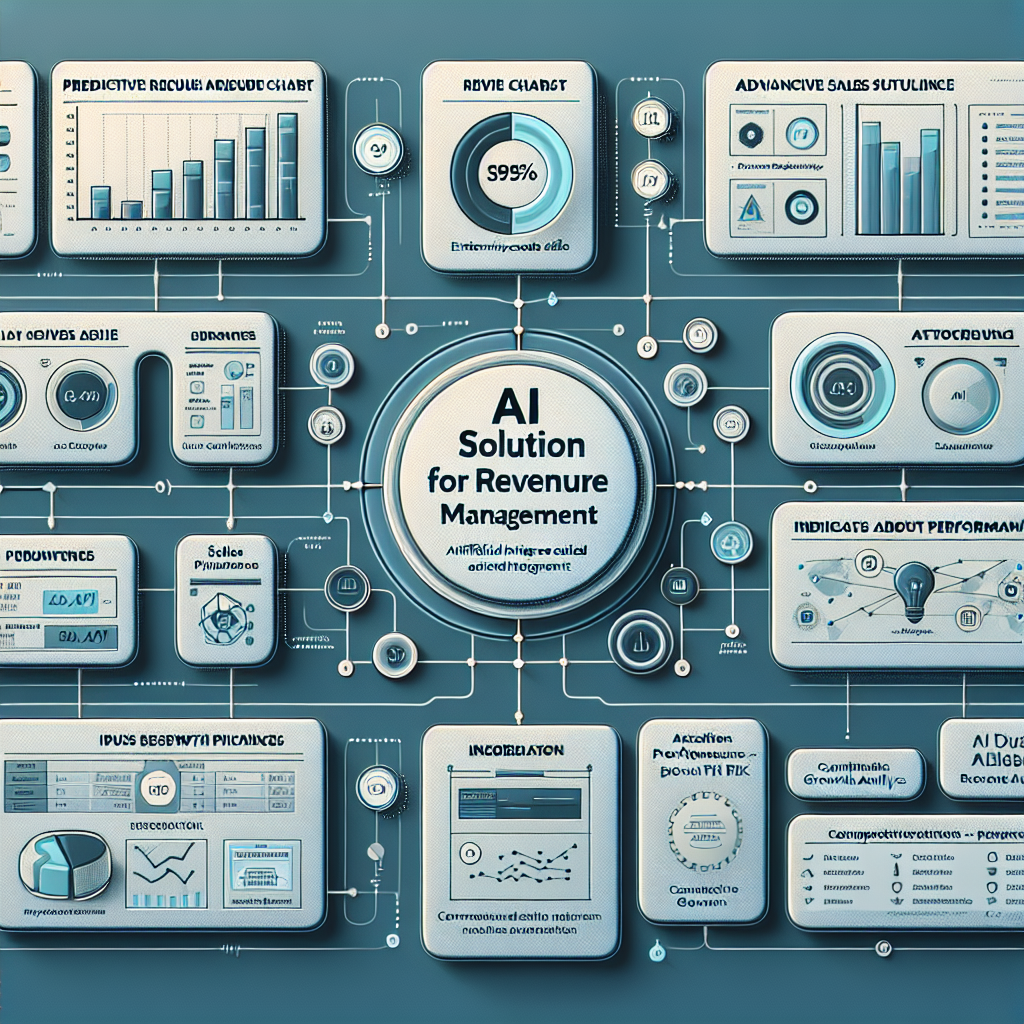

The Future of Monetization: Why Revenue As A Service is Taking Center Stage

Client Overview

Client Name: ProfitWave
Client Type: SaaS Company
Project Duration: 6 Months
Service Model: Revenue as a Service

Industry & Business Background

ProfitWave operates in the software-as-a-service (SaaS) industry, focusing on providing business intelligence solutions to small and medium enterprises (SMEs). The company has developed a robust platform that aggregates data across various business functions, helping companies improve decision-making and operational efficiency. With a growing market presence, ProfitWave sought to enhance its revenue generation capabilities to sustain growth.

Challenges Faced

ProfitWave faced several challenges impeding its revenue growth:

  1. Inefficient Lead Generation: Traditional methods weren’t yielding enough quality leads.
  2. Poor Sales Operations Management: Disorganized processes led to missed opportunities.
  3. CRM Underutilization: Existing CRM capabilities were not fully leveraged.
  4. Inaccurate Revenue Forecasting: Lack of reliable data affected planning and resource allocation.
  5. Integration Issues: Difficulty syncing data across marketing platforms and analytics tools.

Project Goals & Objectives

The primary goals of this project were:

  • Streamline lead generation processes to increase qualified leads.
  • Optimize sales operations for improved efficiency.
  • Fully utilize CRM functionalities for better customer management.
  • Implement accurate revenue forecasting tools.
  • Enhance integration with existing marketing and analytics systems.

Solution & Strategy

The strategy implemented included a multi-faceted approach:

  • Lead Generation Overhaul: Implemented targeted marketing campaigns using advanced segmentation.
  • Sales Operations Revamp: Standardized sales processes and created robust workflows.
  • CRM Optimization: Conducted a thorough audit of the existing CRM and introduced new features.
  • Revenue Forecasting Enhancements: Integrated predictive analytics tools for data-driven insights.
  • API Integrations: Facilitated seamless connections with marketing platforms and analytics tools to ensure data consistency and accessibility.

Revenue Operations Design & Implementation Process

The design and implementation were executed in phases:

  1. Assessment and Planning: Conducted an in-depth analysis of current systems and processes.
  2. Strategy Development: Formulated a cohesive strategy addressing identified challenges.
  3. Implementation: Launched integrated systems focusing on scalability and performance.
  4. Training and Support: Provided team training to ensure smooth adaptation to new processes.
  5. Monitoring and Iteration: Established KPIs to monitor success and made necessary adjustments.

Tools & Technologies Used

  • CRM Software: Salesforce for lead management and customer tracking.
  • Marketing Automation: HubSpot for targeted lead generation campaigns.
  • Analytics Tools: Google Analytics and Tableau for data visualization and reporting.
  • Integration Platforms: Zapier for seamless data flow between systems.
  • Authentication Tools: Okta for secure access and user management.

Key Takeaways

  • Focused efforts on lead generation significantly improved the quality of leads.
  • Streamlined sales operations resulted in faster deal closures.
  • Greater utilization of CRM led to enhanced customer relationships.
  • Relying on data-driven revenue forecasting reduced planning uncertainties.
  • Effective integrations improved inter-departmental communication and data transparency.
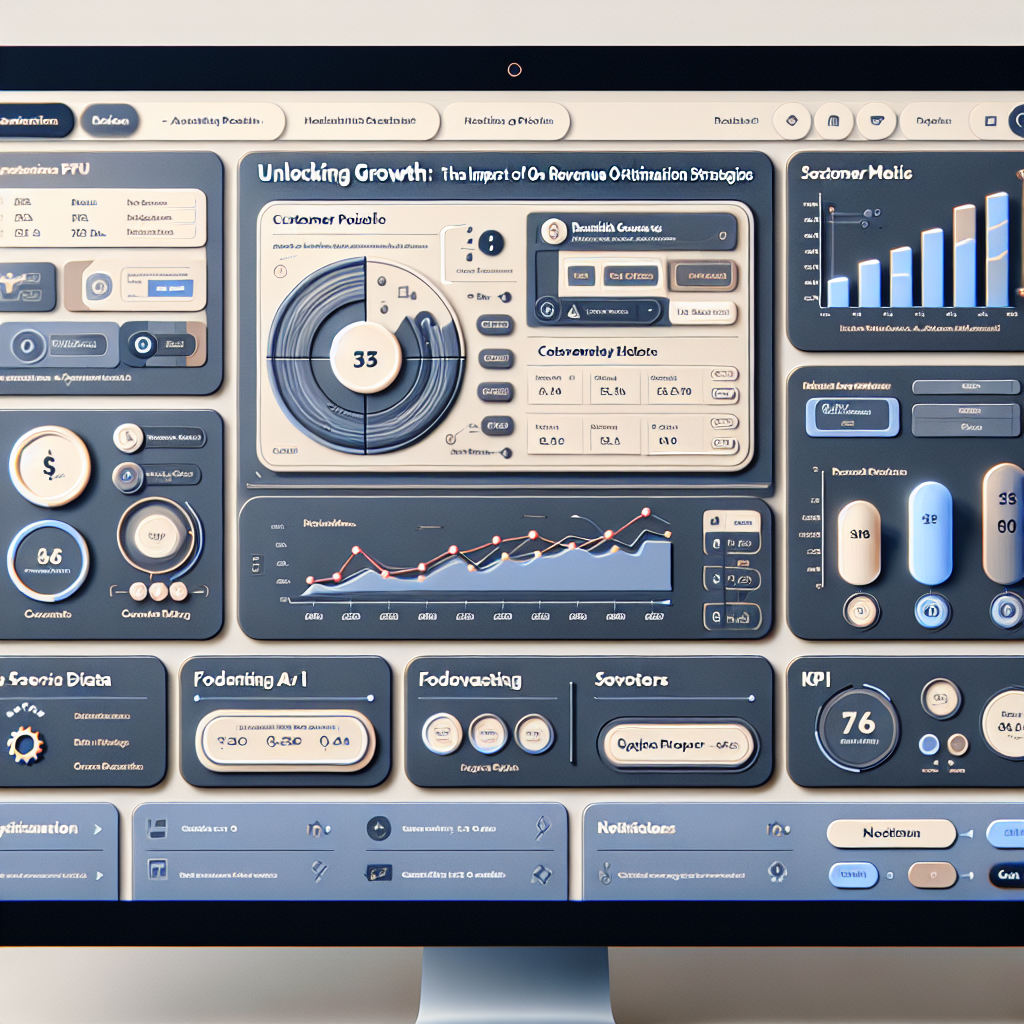
Unlocking Growth: The Impact of AI on Revenue Optimization Strategies

Client Overview

Client Name: TechLeading Solutions
Industry: Technology Solutions Provider
Headquarters: San Francisco, CA

Industry & Business Background

TechLeading Solutions specializes in delivering innovative technology solutions to businesses across various sectors. With a portfolio that spans software development, cloud services, and IT consulting, the company has established itself as a trusted partner for organizations seeking to leverage technology for competitive advantage.

Challenges Faced

Despite its growing reputation, TechLeading faced several challenges that hindered its revenue potential. Sales teams struggled with lead qualification and scoring, leading to inefficient resource allocation. Additionally, pipeline management lacked clear visibility, resulting in missed forecasts and stalled deals. The need for secure data handling and integration with existing systems was paramount, as was achieving scalability in their operations.

Project Goals & Objectives

The main objectives set forth by TechLeading Solutions were to streamline the sales process through intelligent revenue systems, enhance lead scoring mechanisms, and provide actionable insights for better decision-making. They aimed to create a more agile sales organization capable of adapting to fluctuating market demands while ensuring robust data security and compliance.

Solution & Strategy

The strategy involved implementing a comprehensive Revenue as a Service (Rev as a Service) model powered by intelligent systems. This multifaceted approach aimed to enhance lead scoring, optimize the sales pipeline, and improve forecasting accuracy. The integration of CRMs and marketing platforms facilitated seamless data flow, while advanced analytics provided valuable customer insights.

Intelligent Revenue System Design & Implementation

The Intelligent Revenue System was designed with several core components:

  1. Advanced Lead Scoring: Leveraged machine learning algorithms to identify high-potential leads based on historical data.
  2. Sales Enablement: Provided sales teams with tools to access insights and reinforce effective selling strategies.
  3. Pipeline Optimization: Enhanced visibility into sales processes, allowing teams to prioritize deals effectively.
  4. Revenue Forecasting: Integrated AI-based analytics for accurate and actionable projections.
  5. Decision Support: Utilized data-driven insights to empower leadership and drive strategic initiatives.

Tools & Technologies Used

  • CRM Integration: Salesforce, HubSpot
  • Data Analytics: Tableau, Google Data Studio
  • Machine Learning: AWS SageMaker, TensorFlow
  • Security Protocols: OAuth 2.0, AES Encryption
  • APIs: Custom-built for seamless data exchanges between systems

Key Takeaways

TechLeading Solutions successfully transformed its sales operations by integrating intelligent revenue systems, resulting in increased efficiency, improved forecasting accuracy, and enhanced customer insights. The use of secure data handling practices increased trust among stakeholders while maintaining compliance with industry standards.

Results & Performance Metrics

Unlocking Growth: How Revenue As A Service is Redefining Revenue Streams

Client: Quantum Innovations
Industry: Technology Solutions
Delivery Model: Revenue as a Service

Quantum Innovations is a fast-growing technology solutions provider specializing in cloud services and enterprise software. Founded in 2015, the company has rapidly expanded its client base and service offerings. Despite its success, Quantum faced a myriad of challenges that hindered its potential for growth.

Quantum Innovations was experiencing difficulties in:

  • Generating quality leads that converted into sales
  • Streamlining sales operations across different teams
  • Optimizing its existing CRM system for better data usage
  • Effectively managing its sales pipeline
  • Accurately forecasting revenue due to inconsistent metrics

The primary goals for Quantum Innovations included:

  • Enhancing lead generation processes to boost conversion rates
  • Improving sales operations for seamless team collaboration
  • Optimizing CRM functionalities for better insights
  • Establishing clear pipeline management processes
  • Developing an accurate revenue forecasting system

To address these challenges, a multi-faceted strategy was implemented:

  • Lead Generation: Utilized advanced analytics to optimize outreach efforts.
  • Sales Operations: Centralized operations through standardized workflows and communication tools.
  • CRM Optimization: Leveraged existing CRM data to refine targeting and analytics.
  • Pipeline Management: Developed customized workflows within the CRM to streamline tracking.
  • Revenue Forecasting: Implemented a robust forecasting model integrating historical data and trends.

  1. Conducted a comprehensive analysis of existing processes and tools.
  2. Established a project team to oversee execution and adaptation.
  3. Collaborated with Quantum’s stakeholders to align on objectives.
  4. Iteratively designed and tested solutions within real-time operations.
  5. Provided training and support to ensure seamless adoption across teams.

  • CRM: Salesforce for customer management
  • Analytics: Google Analytics and Tableau
  • Marketing Platforms: HubSpot for outreach and engagement
  • Authentication: OAuth for secure API integrations
  • Performance Optimization: Customized dashboards for real-time analytics

  • Strategic integrations improved cross-platform data visibility.
  • Streamlined sales operations enhanced team efficiency.
  • Lead generation campaigns yielded higher quality leads.
  • Enhanced CRM usage transformed data into actionable insights.
  • Real-time forecasting supported better decision-making.

Transforming Revenue Operations: How AI Is Redefining Success in Sales

Client Overview
The client, StellarTech Solutions, is a mid-sized technology firm specializing in cloud-based enterprise solutions. Founded in 2010, the company has established a strong presence in the B2B sector, aiming to enhance operational efficiencies through innovative technologies.

Industry & Business Background
StellarTech operates in the rapidly evolving technology sector, where competition is fierce. Their offerings span various industries, including finance, healthcare, and logistics. The company aims to drive increased value for clients through digital transformation, but they struggled with effectively managing sales pipelines and maximizing revenue potential.

Challenges Faced
StellarTech identified several key challenges impacting their growth trajectory:

  • Inefficient lead scoring processes leading to missed opportunities.
  • Lack of cohesive sales enablement tools, resulting in extended sales cycles.
  • Inaccurate revenue forecasting, affecting strategic decision-making.
  • Fragmented data across multiple platforms, complicating customer insights and analytics.

Project Goals & Objectives
The primary objectives of the project were:

  • To implement an Intelligent Revenue System that integrates seamlessly with existing tools.
  • To optimize lead scoring and enhance customer insights for better decision-making.
  • To enable sales teams with advanced tools for increased pipeline management.
  • To provide accurate revenue forecasts to support strategic initiatives.

Solution & Strategy
To address these challenges, a multi-faceted strategy was developed that centered on creating an Intelligent Revenue System. This system employed advanced algorithms for lead scoring and integrated various CRM and marketing platforms to ensure cohesive data management. A robust training program for sales teams was also incorporated to ensure effective adoption of new tools.

Intelligent Revenue System Design & Implementation
The Intelligent Revenue System leveraged machine learning models to automate lead scoring, which efficiently prioritized leads based on historical data and engagement metrics. Sales enablement tools were integrated, providing real-time insights and analytics to sales teams. Additionally, secure data handling protocols and APIs ensured seamless communication between systems, thus maintaining data integrity and security.

Tools & Technologies Used
The project utilized a range of innovative technologies, including:

  • Custom-built machine learning algorithms for lead scoring
  • API integrations with Salesforce and HubSpot
  • Advanced analytics dashboard for revenue forecasting
  • Secure data storage solutions meeting industry standards

Key Takeaways
The implementation of an Intelligent Revenue System provided StellarTech with a comprehensive view of their sales landscape. Enhanced lead scoring allowed for prioritizing high-value opportunities, while optimized sales enablement tools shortened sales cycles. The project led to more accurate revenue predictions and greater strategic alignment across teams.

Results & Performance Metrics

RevAI – Revenue As A Service With AI Solution

Client Overview

Client Name: Quantum Solutions
Industry: Technology Services
Headquarters: San Francisco, CA

Industry & Business Background

Quantum Solutions specializes in delivering innovative tech services to businesses across various sectors, focusing on IT infrastructure, cloud solutions, and data analytics. With a rapidly expanding client base, they recognized the need to refine their revenue generation processes to sustain their growth and enhance client satisfaction.

Challenges Faced

Despite strong growth, Quantum Solutions encountered several challenges:

  1. Lead Scoring Inefficiencies: Difficulty in identifying high-potential leads led to wasted resources and time.
  2. Sales Enablement Gaps: The sales team lacked real-time insights and tools to effectively engage prospects.
  3. Pipeline Optimization Issues: Unclear revenue forecasts resulted in misalignment across departments, impairing strategic planning.
  4. Data Security Concerns: Ensuring compliance with data regulations while managing customer data was a significant concern.

Project Goals & Objectives

Quantum Solutions aimed to:

  • Implement a robust lead scoring system to prioritize high-quality leads.
  • Enhance sales enablement tools for improved prospect engagement.
  • Optimize the sales pipeline for accurate revenue forecasting.
  • Provide actionable customer insights for data-driven decision-making.
  • Ensure secure data handling and synchronization across platforms.

Solution & Strategy

Our multi-faceted approach involved leveraging intelligent revenue systems that integrate seamlessly with existing CRM and marketing platforms. Key strategies included:

  • Utilizing machine learning algorithms for predictive lead scoring, enhancing the capacity to identify high-value prospects.
  • Introducing advanced sales enablement tools that provide sales teams with immediate access to customer insights and engagement metrics.
  • Implementing pipeline optimization techniques that align sales operations with forecasting metrics and business objectives.
  • Establishing stringent data security measures, including encrypted data handling and secure authentication processes.

Intelligent Revenue System Design & Implementation

The intelligent revenue system designed for Quantum Solutions emphasized scalability, performance optimization, and reliability. Integrating APIs allowed for real-time data flow between systems while maintaining compliance with data handling regulations. Key features included customizable dashboards for tracking sales performance, lead engagement, and forecasting metrics, all while ensuring reliable uptime for business-critical operations.

Tools & Technologies Used

  • CRM: Salesforce
  • Data Analytics: Tableau
  • Marketing Automation: HubSpot
  • APIs: RESTful APIs for seamless integration
  • Security Protocols: OAuth 2.0 for secure authentication
  • Machine Learning Framework: TensorFlow for predictive analytics

Key Takeaways

  • Intelligent revenue systems significantly enhance lead scoring accuracy.
  • Effective sales enablement tools empower sales teams with critical insights.
  • Pipeline optimization can align operations for better forecasting.
  • Secure data handling safeguards compliance while improving client trust.
  • Scalability ensures systems grow with evolving business needs.

Revenue As A Service: Transforming Business Models for the Digital Age

  1. Client Overview
    EverGreen Solutions, a mid-sized tech company specializing in sustainable energy systems, sought to streamline its revenue operations. The goal was to enhance lead generation, refine sales processes, and improve revenue forecasting accuracy for better decision-making.

  2. Industry & Business Background
    Operating in the renewable energy sector, EverGreen Solutions faces rapidly evolving market demands and increasing competition. The company’s product offerings include solar panel installations and energy-efficient technologies aimed at small to medium-sized enterprises.

  3. Challenges Faced
    The primary challenges included an outdated CRM system that hindered sales operations, inconsistent lead generation strategies, and inadequate revenue forecasting processes. These inefficiencies led to missed sales opportunities and unclear sales pipeline visibility.

  4. Project Goals & Objectives
    The objectives were clear: optimize the sales funnel, enhance lead generation capabilities, improve CRM utilization, and implement reliable revenue forecasting methods. The aim was to drive sustainable revenue growth through systematic improvements.

  5. Solution & Strategy
    The approach involved a complete overhaul of EverGreen’s revenue operations. This included integrating a modern CRM system with advanced pipeline management features and linking it with marketing platforms for seamless lead generation. A multi-stage strategy focused on collaboration between sales and marketing teams to leverage data analytics for forecasting was developed.

  6. Revenue Operations Design & Implementation Process
    The design and implementation process consisted of several phases: assessment of existing systems, strategic planning, execution, and ongoing evaluation. Initial workshops facilitated alignment on revenue goals, followed by stepwise integration of new tools and processes carried out in agile sprints.

  7. Tools & Technologies Used
    The project utilized Salesforce for CRM optimization, HubSpot for inbound marketing, Zapier for API integrations, and Tableau for analytics. These tools enabled real-time data synchronization and enhanced performance optimization. Scalability was built into the architecture to accommodate future growth.

  8. Key Takeaways
    The project demonstrated a fundamental understanding of integrating sales and marketing efforts. Clear goals, strategic tool selection, and ongoing performance tracking were critical to success. Improved collaboration among teams resulted in clear accountability and ownership of revenue generation.