
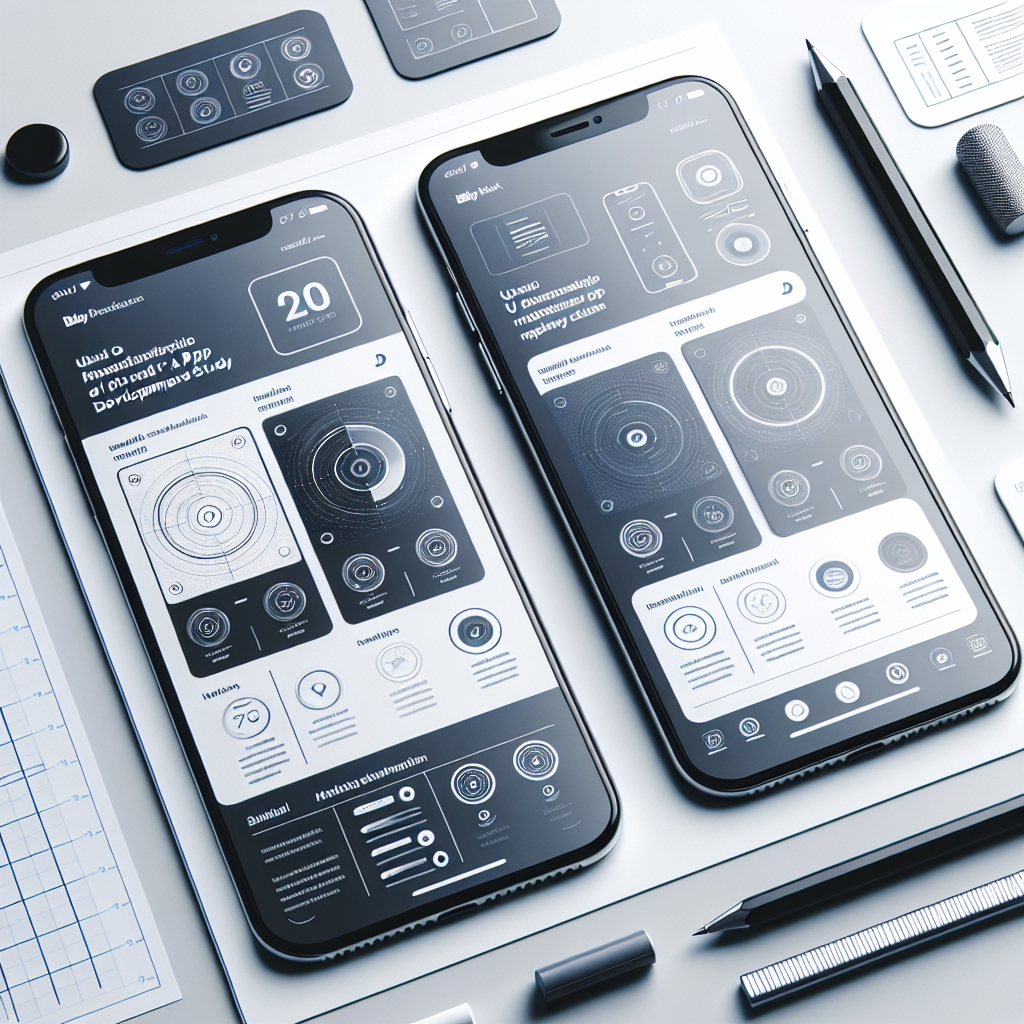
Client Overview
FitLife Solutions, a health and fitness startup, aims to revolutionize personal wellness through mobile technology. With a growing user base, they’ve created a platform providing personalized fitness coaching, meal plans, and wellness tracking.
Industry & Business Background
The health and fitness industry has rapidly expanded, driven by the increasing demand for personalized fitness solutions. With over 160 million fitness app users in the U.S. alone, there’s a substantial market opportunity. FitLife Solutions needed a compelling mobile application to stand out in this competitive landscape, integrating key features to enhance user engagement.
Challenges Faced
FitLife Solutions encountered several challenges:
- Authentication Difficulties: Users found the sign-up process cumbersome, impacting retention rates.
- API Integration Issues: Existing infrastructures were unable to support the required third-party integrations seamlessly.
- Push Notification Limitations: Low engagement rates were attributed to ineffective notification strategies, resulting in reduced user activity.
- Scalability Constraints: The existing app struggled to manage surges in user activity, leading to performance degradation.
Project Goals & Objectives
The main objectives of the project included:
- Simplifying user authentication.
- Streamlining API integrations for enhanced functionality.
- Developing an effective push notification system.
- Ensuring the scalability of the application to accommodate future growth.
Solution & Strategy
To address these challenges, a comprehensive strategy was implemented:
- User-Centric Authentication: We redesigned the authentication process, introducing social media logins and biometric access.
- Robust API Strategy: Our team structured flexible API endpoints that could handle various data requests, optimizing connectivity with third-party services.
- Personalized Push Notifications: Utilizing user behavior data, we crafted tailored notifications to improve user engagement.
- Scalable Architecture: We adopted a microservices architecture to ensure the app’s scalability and minimize downtime.
Mobile App Design & Development Process
The mobile app development was carried out in several phases:
- Discovery & Planning: Conducted workshops with FitLife’s stakeholders to identify user needs and define project scope.
- UI/UX Design: Created wireframes and interactive prototypes, focusing on intuitive navigation and aesthetic appeal.
- Agile Development: Leveraged agile methodology to ensure iterative releases and regular feedback loops.
- Testing & Optimization: Implemented rigorous testing, including performance benchmarking and user acceptance testing, to hone functionality and usability.
Tools & Technologies Used
Our tech stack encompassed:
- Front-end: React Native for cross-platform development, ensuring a seamless user experience.
- Back-end: Node.js for server-side scripting, with MongoDB for database management.
- APIs: RESTful APIs for effective data service integration.
- Authentication: OAuth 2.0 for secure user authentication processes.
- Cloud Infrastructure: AWS services for scalability and content delivery.
Key Takeaways
- Understanding user needs is crucial for developing engaging features.
- A well-structured API can drive significant enhancements in app functionality.
- Scalability should be integrated early within the app architecture to preemptively address growth challenges.
- User-centric design leads to improved engagement and retention.
The collaboration with the agency transformed our app experience. Their expertise led to significant user retention improvements.
Jessica Lee CEO