Client Overview
Client Name: DataPro Solutions
Industry: Data Consulting
Project Overview: Implementation of a Data Analytics as a Service (DAaaS) platform to enhance data-driven decision-making for mid-sized enterprises.
Industry & Business Background
DataPro Solutions specializes in providing tailored data analytics solutions for businesses looking to leverage their data for insights. In an era where data-driven decision-making is crucial, the demand for robust analytics platforms has surged among mid-sized enterprises. DataPro sought to offer a cloud-based DAaaS platform that would streamline the process of data collection, analysis, and reporting to empower organizations in making informed choices swiftly.
Challenges Faced
The company faced several challenges, including:
- Disparate data sources leading to fragmented insights.
- Inadequate data processing speeds to handle large volumes of data.
- A lack of real-time reporting capabilities.
- Security concerns regarding data access and user authentication.
- Necessity for scalable solutions to accommodate business growth.
Project Goals & Objectives
The primary goals of this project were to:
- Develop an integrated data analytics platform for seamless data collection and reporting.
- Establish user-friendly dashboards for real-time insights.
- Create robust ETL (Extract, Transform, Load) pipelines to optimize data processing.
- Ensure high levels of security and authentication for user access.
- Enable predictive analytics capabilities to forecast trends and drive strategies.
Solution & Strategy
To achieve these goals, a comprehensive strategy was adopted, consisting of:
- Designing a cloud-based DAaaS platform.
- Architecting ETL pipelines for efficient data ingestion and processing.
- Utilizing advanced visualization tools to create interactive dashboards.
- Implementing API integrations for multiple data sources.
- Establishing multi-factor authentication for enhanced security.
- Focusing on scalability to accommodate future data growth without compromising performance.
Data Analytics Platform Design & Implementation
The platform was designed with a modular architecture, ensuring that each component works seamlessly together:
- Data Collection: Automated data ingestion processes gathered information from various sources, including CRM systems, social media, and IoT devices.
- ETL Pipelines: Efficient ETL configurations transformed raw data into actionable insights, significantly reducing processing times.
- Dashboards: User-friendly, customizable dashboards presented key performance indicators (KPIs) and other metrics in real-time.
- Predictive Analytics: Advanced algorithms provided forecasting capabilities, enabling businesses to anticipate trends based on historical data.
Tools & Technologies Used
The implementation utilized a variety of cutting-edge tools and technologies, including:
- Cloud Platforms: AWS and Azure for scalable cloud deployment.
- ETL Tools: Apache NiFi for data flow automation and Talend for data transformation.
- Visualization Tools: Tableau and Power BI for interactive reporting.
- APIs: RESTful APIs for seamless data integration.
- Security: Implemented OAuth and TLS for secure user authentication and access.
Key Takeaways
- Implementation of a scalable DAaaS platform enhanced operational efficiency.
- Reduction in data processing times led to faster decision-making capabilities.
- Real-time dashboards improved visibility of business metrics.
- Improved data security and user access mechanisms ensured compliance and safety.
- Predictive analytics capabilities offered a competitive edge to client businesses.

Client Overview
Client Name: Apex Solutions Ltd.
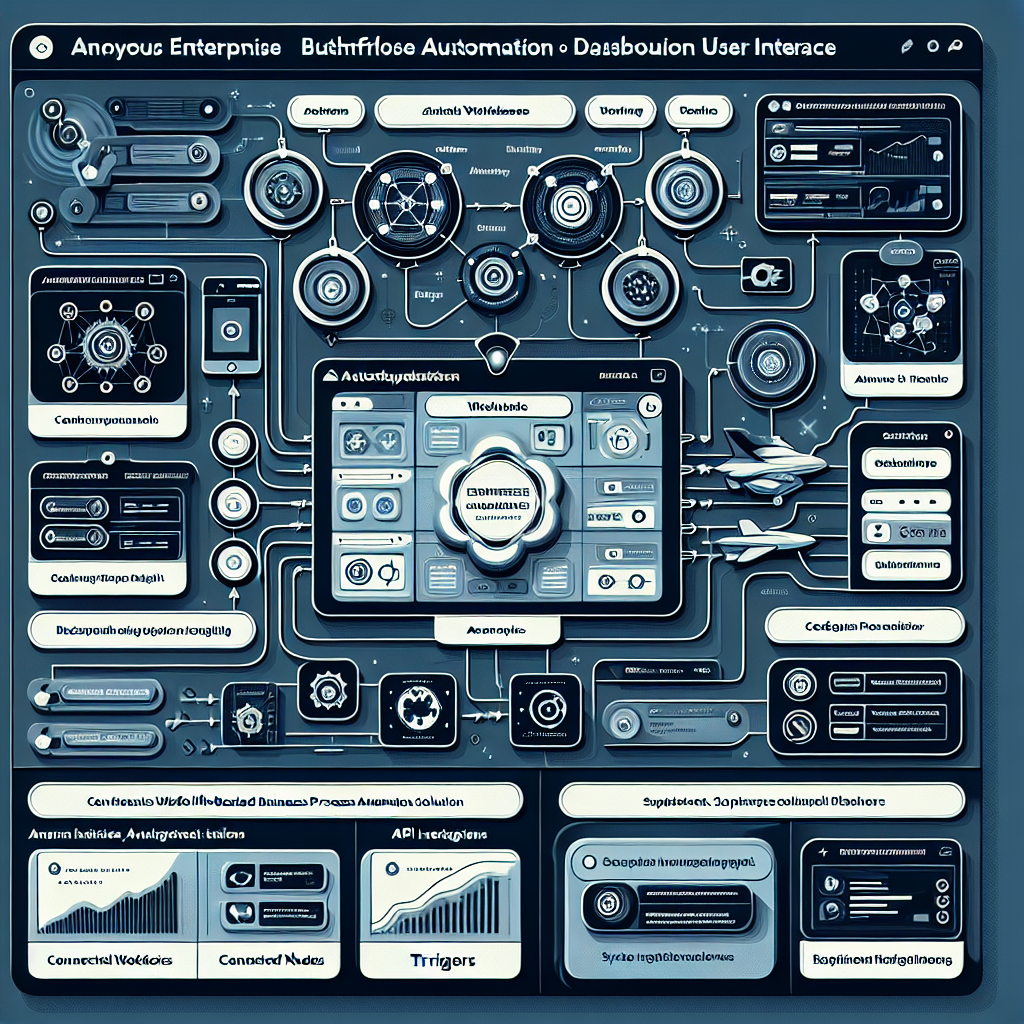
Apex Solutions is a mid-sized firm specializing in logistics and supply chain management. With a robust client base and a reputation for reliability, they faced increasing pressure to enhance operational efficiency while remaining competitive.
Industry & Business Background
Operating within the logistics industry, Apex Solutions caters predominantly to e-commerce businesses, providing end-to-end supply chain solutions. The sector is characterized by rapid technological advancements and a growing demand for faster, more transparent fulfillment processes. Consequently, companies within this field are increasingly leveraging automation to optimize workflows and enhance productivity.
Challenges Faced
Despite its established market presence, Apex Solutions struggled with numerous operational challenges:
- Manual Workflows: A significant amount of repetitive tasks, such as data entry and order processing, were performed manually, leading to inefficiencies.
- Disparate Systems: Lack of integration between various software tools resulted in data silos, slowing down decision-making processes.
- Inconsistent Performance: Variable performance metrics across different departments affected overall productivity.
- Limited Scalability: As demand fluctuated, the existing systems struggled to scale effectively, impacting service delivery.
- Security Concerns: Increasing digitalization raised concerns over data integrity and security, necessitating enhanced data protection measures.
Project Goals & Objectives
The primary objectives set by Apex Solutions included:
- Automating repetitive tasks to boost operational efficiency.
- Integrating disparate systems to ensure seamless data flow.
- Developing a centralized dashboard for real-time performance monitoring.
- Enhancing scalability of processes to manage fluctuating demand.
- Implementing robust security measures to protect sensitive data.
Solution & Strategy
To address the challenges, a comprehensive automation and workflow optimization strategy was developed. This involved:
- Process Mapping: Conducting a thorough analysis of existing workflows to identify areas suitable for automation.
- System Integration: Utilizing API-driven solutions to integrate disparate platforms, ensuring real-time data synchronization without manual intervention.
- Dashboard Development: Creating performance monitoring dashboards that provide insights into operational metrics, enabling faster decision-making.
- Security Enhancement: Implementing advanced security protocols to safeguard data and ensure compliance with industry regulations.
AI Automation Design & Implementation Process
The implementation process was structured in iterative phases:
- Discovery Phase: Engaged stakeholders to outline requirements and set clear KPIs.
- Design Phase: Developed blueprints for the automation workflows and system integrations, ensuring compatibility with existing systems.
- Development Phase: Utilized agile methodologies to build and test the automation components, focusing on rapid feedback and iteration.
- Deployment Phase: Rolled out the solution in stages, mitigating risks and integrating feedback from end-users.
- Monitoring Phase: Established a continuous monitoring system to assess performance and make iterative improvements.
Tools & Technologies Used
To facilitate successful implementation, the following tools and technologies were employed:
- Zapier: For automating tasks by integrating several software applications seamlessly.
- Microsoft Power BI: To create interactive dashboards for data visualization and performance tracking.
- Salesforce API: To ensure synchronization between customer relationship management and logistics operations.
- AWS Cloud Services: For scalable infrastructure that supports dynamic demand and security protocols.
- Slack API: To facilitate communication and real-time updates between teams.
Key Takeaways
- Streamlining workflows through automation significantly reduces manual errors.
- Effective data integration enhances decision-making speed and accuracy.
- Deploying real-time dashboards boosts transparency and accountability across teams.
- Robust security measures are essential to protect sensitive operational data.
- Continuous monitoring and feedback loops contribute to ongoing process improvements.
Client Overview
Client Name: ProfitWave
Client Type: SaaS Company
Project Duration: 6 Months
Service Model: Revenue as a Service
Industry & Business Background
ProfitWave operates in the software-as-a-service (SaaS) industry, focusing on providing business intelligence solutions to small and medium enterprises (SMEs). The company has developed a robust platform that aggregates data across various business functions, helping companies improve decision-making and operational efficiency. With a growing market presence, ProfitWave sought to enhance its revenue generation capabilities to sustain growth.
Challenges Faced
ProfitWave faced several challenges impeding its revenue growth:
- Inefficient Lead Generation: Traditional methods weren’t yielding enough quality leads.
- Poor Sales Operations Management: Disorganized processes led to missed opportunities.
- CRM Underutilization: Existing CRM capabilities were not fully leveraged.
- Inaccurate Revenue Forecasting: Lack of reliable data affected planning and resource allocation.
- Integration Issues: Difficulty syncing data across marketing platforms and analytics tools.
Project Goals & Objectives
The primary goals of this project were:
- Streamline lead generation processes to increase qualified leads.
- Optimize sales operations for improved efficiency.
- Fully utilize CRM functionalities for better customer management.
- Implement accurate revenue forecasting tools.
- Enhance integration with existing marketing and analytics systems.
Solution & Strategy
The strategy implemented included a multi-faceted approach:
- Lead Generation Overhaul: Implemented targeted marketing campaigns using advanced segmentation.
- Sales Operations Revamp: Standardized sales processes and created robust workflows.
- CRM Optimization: Conducted a thorough audit of the existing CRM and introduced new features.
- Revenue Forecasting Enhancements: Integrated predictive analytics tools for data-driven insights.
- API Integrations: Facilitated seamless connections with marketing platforms and analytics tools to ensure data consistency and accessibility.
Revenue Operations Design & Implementation Process
The design and implementation were executed in phases:
- Assessment and Planning: Conducted an in-depth analysis of current systems and processes.
- Strategy Development: Formulated a cohesive strategy addressing identified challenges.
- Implementation: Launched integrated systems focusing on scalability and performance.
- Training and Support: Provided team training to ensure smooth adaptation to new processes.
- Monitoring and Iteration: Established KPIs to monitor success and made necessary adjustments.
Tools & Technologies Used
- CRM Software: Salesforce for lead management and customer tracking.
- Marketing Automation: HubSpot for targeted lead generation campaigns.
- Analytics Tools: Google Analytics and Tableau for data visualization and reporting.
- Integration Platforms: Zapier for seamless data flow between systems.
- Authentication Tools: Okta for secure access and user management.
Key Takeaways
- Focused efforts on lead generation significantly improved the quality of leads.
- Streamlined sales operations resulted in faster deal closures.
- Greater utilization of CRM led to enhanced customer relationships.
- Relying on data-driven revenue forecasting reduced planning uncertainties.
- Effective integrations improved inter-departmental communication and data transparency.
Client Overview
Client Name: TechLeading Solutions
Industry: Technology Solutions Provider
Headquarters: San Francisco, CA
Industry & Business Background
TechLeading Solutions specializes in delivering innovative technology solutions to businesses across various sectors. With a portfolio that spans software development, cloud services, and IT consulting, the company has established itself as a trusted partner for organizations seeking to leverage technology for competitive advantage.
Challenges Faced
Despite its growing reputation, TechLeading faced several challenges that hindered its revenue potential. Sales teams struggled with lead qualification and scoring, leading to inefficient resource allocation. Additionally, pipeline management lacked clear visibility, resulting in missed forecasts and stalled deals. The need for secure data handling and integration with existing systems was paramount, as was achieving scalability in their operations.
Project Goals & Objectives
The main objectives set forth by TechLeading Solutions were to streamline the sales process through intelligent revenue systems, enhance lead scoring mechanisms, and provide actionable insights for better decision-making. They aimed to create a more agile sales organization capable of adapting to fluctuating market demands while ensuring robust data security and compliance.
Solution & Strategy
The strategy involved implementing a comprehensive Revenue as a Service (Rev as a Service) model powered by intelligent systems. This multifaceted approach aimed to enhance lead scoring, optimize the sales pipeline, and improve forecasting accuracy. The integration of CRMs and marketing platforms facilitated seamless data flow, while advanced analytics provided valuable customer insights.
Intelligent Revenue System Design & Implementation
The Intelligent Revenue System was designed with several core components:
- Advanced Lead Scoring: Leveraged machine learning algorithms to identify high-potential leads based on historical data.
- Sales Enablement: Provided sales teams with tools to access insights and reinforce effective selling strategies.
- Pipeline Optimization: Enhanced visibility into sales processes, allowing teams to prioritize deals effectively.
- Revenue Forecasting: Integrated AI-based analytics for accurate and actionable projections.
- Decision Support: Utilized data-driven insights to empower leadership and drive strategic initiatives.
Tools & Technologies Used
- CRM Integration: Salesforce, HubSpot
- Data Analytics: Tableau, Google Data Studio
- Machine Learning: AWS SageMaker, TensorFlow
- Security Protocols: OAuth 2.0, AES Encryption
- APIs: Custom-built for seamless data exchanges between systems
Key Takeaways
TechLeading Solutions successfully transformed its sales operations by integrating intelligent revenue systems, resulting in increased efficiency, improved forecasting accuracy, and enhanced customer insights. The use of secure data handling practices increased trust among stakeholders while maintaining compliance with industry standards.
Results & Performance Metrics

Client Overview
Client Name: DataDrive Solutions
Industry: HealthTech
Headquarters: San Francisco, CA
Client Overview: DataDrive Solutions is a leading HealthTech firm specializing in providing actionable insights for healthcare providers through data analytics. With a focus on enhancing patient care and operational efficiency, the organization sought a robust Data Analytics as a Service (DAaaS) platform.
Industry & Business Background
The HealthTech industry is rapidly evolving, driven by technological innovations and data-driven decision-making. However, the increase in data availability has resulted in challenges related to data management, analysis, and actionable insights. DataDrive Solutions recognized the necessity for an advanced analytics platform to remain competitive and responsive to the needs of healthcare providers.
Challenges Faced
DataDrive Solutions faced several critical challenges:
- Data Fragmentation: Data was dispersed across multiple systems, hindering a unified view.
- Inefficient ETL Processes: The existing Extract, Transform, Load (ETL) processes were cumbersome and time-consuming.
- Scalability Issues: Current infrastructure struggled to support growing data volumes and analytics needs.
- Data Security: Ensuring that sensitive healthcare data remained protected while being accessible to authorized users was a concern.
- Limited Predictive Capabilities: The organization lacked the tools for advanced predictive analytics to inform healthcare outcomes.
Project Goals & Objectives
The primary goals of the project were to:
- Develop a unified data analytics platform to centralize data from various sources.
- Optimize ETL processes for improved data quality and speed.
- Implement secure access controls to protect sensitive information.
- Enable real-time dashboards for better decision-making.
- Incorporate predictive analytics for strategic insights into healthcare trends.
Solution & Strategy
To address the identified challenges, DataDrive Solutions collaborated with a dedicated development team to design a comprehensive DAaaS platform. The strategy involved:
- Conducting an in-depth assessment of existing data sources and workflows.
- Designing a scalable data architecture on a cloud platform to accommodate data growth and access needs.
- Creating a user-friendly dashboard for stakeholders to visualize KPIs and other critical metrics.
- Establishing API integrations with existing healthcare systems for seamless data flow.
- Implementing authentication protocols and data encryption to uphold security standards.
Data Analytics Platform Design & Implementation
The architecture of the DAaaS platform was built around
- Cloud Deployment: Leveraging AWS for elasticity and robustness.
- ETL Pipeline Development: Utilizing Apache NiFi to streamline data ingestion and transformation processes.
- Dashboard Creation: Using Tableau to craft intuitive reports and visualizations for diverse users.
- User Authentication: Integrating OAuth 2.0 for secure, role-based access control.
- Predictive Analytics Tools: Employing statistical methods for forecasting healthcare trends based on historical data.
Tools & Technologies Used
- Cloud Platform: AWS
- Data Pipeline: Apache NiFi
- Data Visualization: Tableau
- Database Management: Amazon Redshift
- Authentication: OAuth 2.0
- Programming Languages: Python, SQL
Key Takeaways
- Centralized data architecture enhances decision-making capabilities.
- Streamlined ETL processes significantly reduce data processing time.
- Predictive analytics provides strategic foresight in healthcare outcomes.
- Implementing robust security measures fosters user trust and compliance.
- Scalability of cloud infrastructure supports future growth and analytics needs.

Client Overview
Client Name: Innovatech Solutions
Client Type: Mid-sized technology firm
Industry: Information Technology
Location: New York, NY
Innovatech Solutions specializes in providing cutting-edge software solutions aimed at enhancing operational efficiency for businesses across various sectors.
Industry & Business Background
The technology sector is rapidly evolving, with firms continuously seeking ways to streamline processes and enhance service delivery. Innovatech Solutions is no different; they faced pressure to outperform competitors while ensuring high service quality and customer satisfaction. Their reliance on manual processes delayed project timelines and increased operational costs, necessitating a comprehensive overhaul.
Challenges Faced
Innovatech Solutions’ team was burdened by several challenges, including:
- Inefficient Workflows: Manual data entry and approval processes impeded productivity.
- Integration Issues: Legacy systems lacked seamless integration, creating data silos.
- Scalability Concerns: Growing workloads highlighted the limitations of existing processes.
- Decision-Making Delays: Slow decision workflows hindered timely responses to client needs.
- Resource Constraints: The manual handling of repetitive tasks diverted resources from strategic initiatives.
Project Goals & Objectives
The primary objective was to automate repetitive tasks and optimize business processes to:
- Improve operational efficiency and reduce turnaround times.
- Enhance data integration and enable real-time insights.
- Establish robust decision workflows that support rapid decision-making.
- Ensure scalable solutions that can grow with the business.
- Strengthen system security to protect client data.
Solution & Strategy
The transformation approach centered around implementing workflow automation solutions that leveraged data integration and system orchestration principles. Key strategies included:
- Mapping existing processes to identify automation opportunities.
- Designing an integrated system using APIs to ensure smooth data flow across platforms.
- Creating decision workflows that empower teams to act swiftly.
- Testing security protocols to protect data integrity.
- Establishing a phased implementation plan to allow for smooth user adoption.
AI Automation Design & Implementation Process
- Assessment Phase: Conducted a thorough evaluation of current business processes and systems.
- Design Phase: Developed workflows using automation tools, ensuring alignment with business objectives.
- Integration Phase: Used APIs to connect legacy systems with new automated workflows, eliminating data silos.
- Testing Phase: Conducted rigorous testing to ensure performance stability and security compliance.
- Deployment Phase: Launched the solution across the organization with comprehensive training sessions for staff.
- Feedback Loop: Established a system for continual feedback and iterative improvements.
Tools & Technologies Used
- Automation Tools: Zapier, Microsoft Power Automate
- Integration Platforms: MuleSoft, Integromat
- Security Frameworks: AWS Security, OAuth 2.0
- Database Management: MySQL, MongoDB
- Collaboration Tools: Slack, Trello
Key Takeaways
- Effective automation significantly enhances operational efficiency.
- Integration of disparate systems is crucial for real-time data access.
- Security must be a priority in automation projects.
- Continuous feedback mechanisms foster ongoing improvement.
- Phased implementation minimizes disruption and maximizes user adoption.
Client Overview
Client Name: Apex Solutions
Industry: Financial Services
Location: New York, NY
Apex Solutions is a prominent player in the Financial Services industry, specializing in asset management and investment strategies for high-net-worth individuals and institutional investors. The firm is renowned for its commitment to transparency and performance, along with delivering bespoke financial solutions to its clients.
Industry & Business Background
The Financial Services sector has been transforming rapidly, driven by regulatory changes, technological advancements, and changing consumer expectations. In recent years, firms have increasingly turned to data analytics to gain a competitive edge. For Apex Solutions, harnessing data effectively meant not only enhancing customer service but also optimizing investment strategies and improving operational efficiency. The company sought a robust Data Analytics as a Service (DAaaS) platform to meet these evolving needs.
Challenges Faced
Apex Solutions faced several challenges that hindered its ability to leverage data effectively:
- Data Silos: Essential data was stored across various platforms, hampering any comprehensive analysis.
- Manual Processes: Dependence on manual data collection and reporting resulted in inefficiencies and slower decision-making.
- Lack of Real-Time Insights: The existing infrastructure did not support real-time analytics, limiting the ability to seize market opportunities swiftly.
- Data Security Concerns: Ensuring the integrity and security of sensitive financial data was critical, requiring stringent access controls.
- Scalability Issues: The need for a scalable solution was paramount as Apex aimed to expand its client base and service offerings.
Project Goals & Objectives
Apex Solutions aimed to develop a seamless DAaaS platform that would:
- Facilitate real-time data collection and processing.
- Create intuitive dashboards for actionable insights.
- Provide predictive analytics capabilities to enhance investment strategies.
- Ensure secure access and data integrity across all user interfaces.
- Enable easy API integrations for third-party services.
Solution & Strategy
To tackle these challenges, a comprehensive solution was devised focusing on a cloud-centric approach utilizing scalable technologies. The strategy was split into multiple phases including data consolidation, the creation of ETL pipelines, dashboard development, and the implementation of security measures.
- Data Consolidation: Gathering data from disparate sources to create a unified data repository.
- ETL Pipelines: Implementing automated Extract, Transform, Load (ETL) processes to streamline data workflows.
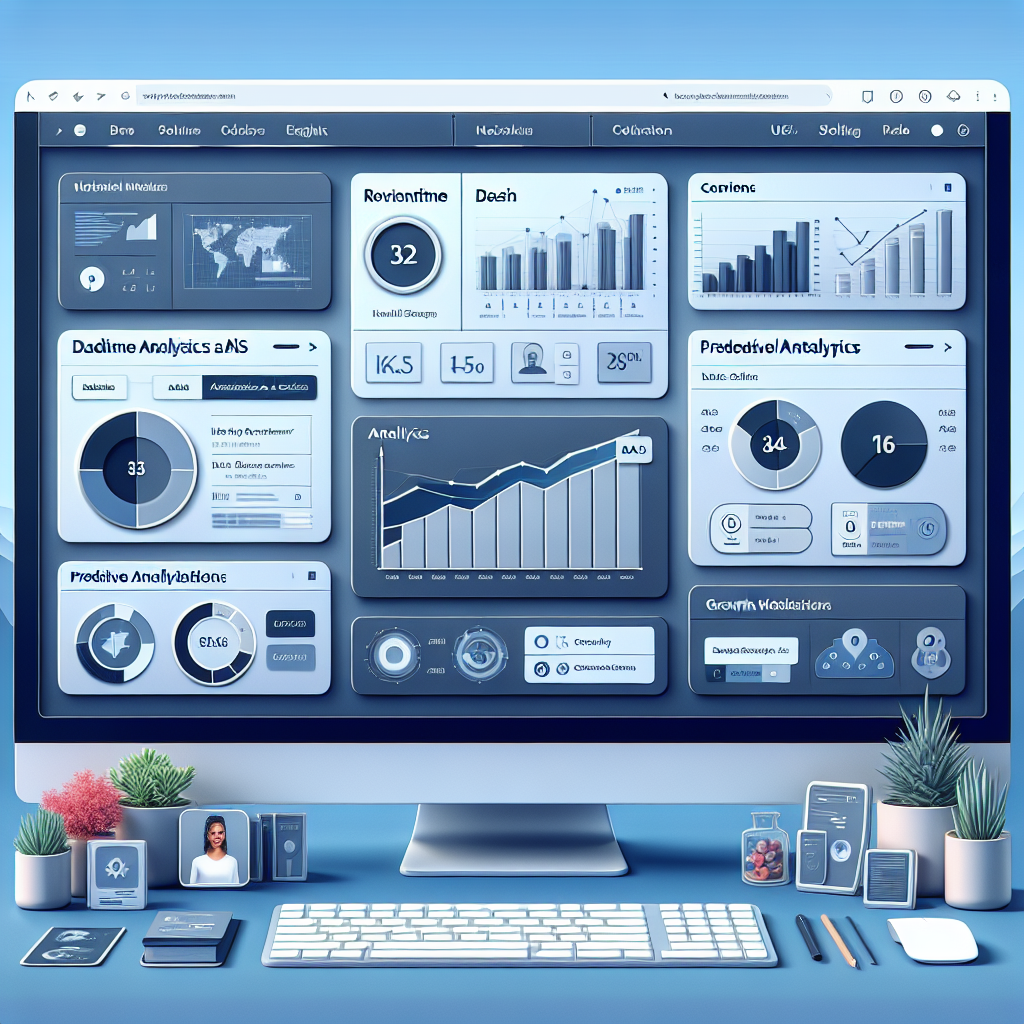
- Dashboards: Designing user-friendly dashboards for real-time data visualization and KPIs tracking.
- Predictive Analytics: Utilizing statistical models to forecast market trends and enable data-driven decision-making.
- Security Measures: Implementing robust authentication protocols and encryption methods to ensure data safety.
Data Analytics Platform Design & Implementation
The DAaaS platform was designed with a user-centric approach ensuring ease of navigation and accessibility for stakeholders across levels. It featured:
- Integrated Data Storage: A cloud-based data lake architecture for seamless data integration.
- Advanced ETL Processes: Automated pipelines that transformed raw data into usable insights.
- Interactive Dashboards: KPI dashboards that provided real-time insights into portfolio performance and risk assessments.
- Predictive Models: Algorithms designed for market trend analysis, enabling informed investment decisions.
- API Integrations: Facilitated third-party service integrations for CRM, accounting systems, and regulatory compliance.
Tools & Technologies Used
- Cloud Platform: Amazon Web Services (AWS) for hosting and scalability.
- ETL Tools: Apache Airflow for orchestrating complex data workflows.
- Data Visualization: Tableau for building interactive dashboards.
- Database Management: PostgreSQL for robust data storage and management.
- Security Frameworks: OAuth 2.0 for user authentication and SSL/TLS for data encryption.
Key Takeaways
- Consolidated data sources for enhanced analytics.
- Automated ETL processes led to faster data access.
- Real-time dashboards improved decision-making capabilities.
- Predictive analytics helped in identifying opportunities effectively.
- Robust security measures ensured data integrity and compliance.