
Unlocking Growth: How Revenue As A Service is Redefining Revenue Streams

Client: Quantum Innovations
Industry: Technology Solutions
Delivery Model: Revenue as a Service

Quantum Innovations is a fast-growing technology solutions provider specializing in cloud services and enterprise software. Founded in 2015, the company has rapidly expanded its client base and service offerings. Despite its success, Quantum faced a myriad of challenges that hindered its potential for growth.

Quantum Innovations was experiencing difficulties in:

  • Generating quality leads that converted into sales
  • Streamlining sales operations across different teams
  • Optimizing its existing CRM system for better data usage
  • Effectively managing its sales pipeline
  • Accurately forecasting revenue due to inconsistent metrics

The primary goals for Quantum Innovations included:

  • Enhancing lead generation processes to boost conversion rates
  • Improving sales operations for seamless team collaboration
  • Optimizing CRM functionalities for better insights
  • Establishing clear pipeline management processes
  • Developing an accurate revenue forecasting system

To address these challenges, a multi-faceted strategy was implemented:

  • Lead Generation: Utilized advanced analytics to optimize outreach efforts.
  • Sales Operations: Centralized operations through standardized workflows and communication tools.
  • CRM Optimization: Leveraged existing CRM data to refine targeting and analytics.
  • Pipeline Management: Developed customized workflows within the CRM to streamline tracking.
  • Revenue Forecasting: Implemented a robust forecasting model integrating historical data and trends.

  1. Conducted a comprehensive analysis of existing processes and tools.
  2. Established a project team to oversee execution and adaptation.
  3. Collaborated with Quantum’s stakeholders to align on objectives.
  4. Iteratively designed and tested solutions within real-time operations.
  5. Provided training and support to ensure seamless adoption across teams.

  • CRM: Salesforce for customer management
  • Analytics: Google Analytics and Tableau
  • Marketing Platforms: HubSpot for outreach and engagement
  • Authentication: OAuth for secure API integrations
  • Performance Optimization: Customized dashboards for real-time analytics

  • Strategic integrations improved cross-platform data visibility.
  • Streamlined sales operations enhanced team efficiency.
  • Lead generation campaigns yielded higher quality leads.
  • Enhanced CRM usage transformed data into actionable insights.
  • Real-time forecasting supported better decision-making.

Transforming Revenue Operations: How AI Is Redefining Success in Sales

Client Overview
The client, StellarTech Solutions, is a mid-sized technology firm specializing in cloud-based enterprise solutions. Founded in 2010, the company has established a strong presence in the B2B sector, aiming to enhance operational efficiencies through innovative technologies.

Industry & Business Background
StellarTech operates in the rapidly evolving technology sector, where competition is fierce. Their offerings span various industries, including finance, healthcare, and logistics. The company aims to drive increased value for clients through digital transformation, but they struggled with effectively managing sales pipelines and maximizing revenue potential.

Challenges Faced
StellarTech identified several key challenges impacting their growth trajectory:

  • Inefficient lead scoring processes leading to missed opportunities.
  • Lack of cohesive sales enablement tools, resulting in extended sales cycles.
  • Inaccurate revenue forecasting, affecting strategic decision-making.
  • Fragmented data across multiple platforms, complicating customer insights and analytics.

Project Goals & Objectives
The primary objectives of the project were:

  • To implement an Intelligent Revenue System that integrates seamlessly with existing tools.
  • To optimize lead scoring and enhance customer insights for better decision-making.
  • To enable sales teams with advanced tools for increased pipeline management.
  • To provide accurate revenue forecasts to support strategic initiatives.

Solution & Strategy
To address these challenges, a multi-faceted strategy was developed that centered on creating an Intelligent Revenue System. This system employed advanced algorithms for lead scoring and integrated various CRM and marketing platforms to ensure cohesive data management. A robust training program for sales teams was also incorporated to ensure effective adoption of new tools.

Intelligent Revenue System Design & Implementation
The Intelligent Revenue System leveraged machine learning models to automate lead scoring, which efficiently prioritized leads based on historical data and engagement metrics. Sales enablement tools were integrated, providing real-time insights and analytics to sales teams. Additionally, secure data handling protocols and APIs ensured seamless communication between systems, thus maintaining data integrity and security.

Tools & Technologies Used
The project utilized a range of innovative technologies, including:

  • Custom-built machine learning algorithms for lead scoring
  • API integrations with Salesforce and HubSpot
  • Advanced analytics dashboard for revenue forecasting
  • Secure data storage solutions meeting industry standards

Key Takeaways
The implementation of an Intelligent Revenue System provided StellarTech with a comprehensive view of their sales landscape. Enhanced lead scoring allowed for prioritizing high-value opportunities, while optimized sales enablement tools shortened sales cycles. The project led to more accurate revenue predictions and greater strategic alignment across teams.

Results & Performance Metrics

Top 10 Frameworks for Building Scalable Web Applications

Client Overview

XYZ Corp is a mid-sized logistics company aimed at enhancing its supply chain management through a feature-rich web application. With a growing client base, the need for digital transformation became imperative for operational efficiency.

Industry & Business Background

The logistics industry is undergoing rapid digitization, with many players investing in technology to streamline operations. XYZ Corp, established in 2010, specializes in freight transportation and warehousing. The company is facing difficulties in managing its operations efficiently due to outdated processes and a lack of integrated systems.

Challenges Faced

XYZ Corp encountered multiple challenges, including:

  • Fragmented systems leading to inefficient data management.
  • Poor user experience due to a non-responsive interface.
  • Security vulnerabilities affecting customer trust.
  • Ineffective communication channels between clients and operations.
  • Limited scalability for future growth and third-party integration.

Project Goals & Objectives

The primary objectives set by XYZ Corp were:

  • Develop a responsive UI/UX to improve user engagement.
  • Implement robust authentication and authorization protocols.
  • Design a scalable application architecture to accommodate future growth.
  • Enhance security measures to protect sensitive data.
  • Optimize performance metrics to ensure a seamless user experience.

Solution & Strategy

To address the challenges, our agency proposed a comprehensive solution, which included:

  • A complete redesign of the user interface focusing on responsive design principles.
  • Implementation of role-based access control ensuring that users have tailored access based on their roles.
  • Development of RESTful APIs for seamless third-party integrations, enabling more efficient data exchange.
  • Deployment on the cloud for scalability and high availability.
  • A robust maintenance strategy involving regular updates and performance checks.

Web Application Design & Development Process

Our approach involved:

  1. Requirement Gathering: Conducting meetings with stakeholders to understand their needs.
  2. Wireframing and Prototyping: Creating wireframes followed by interactive prototypes to validate the design.
  3. Development: Agile development practices to build the application iteratively.
  4. Testing: Comprehensive QA to ensure functionality, security, and responsiveness across all devices.
  5. Deployment: Utilizing cloud infrastructure for maximum performance and reliability.

Tools & Technologies Used

  • Front-end: React.js for creating interactive UIs.
  • Back-end: Node.js with Express.js for API development.
  • Database: MongoDB for efficient storage and retrieval of data.
  • Security: OAuth 2.0 for authentication and JWT for secure user sessions.
  • Cloud: AWS for deployment and scaling.

Key Takeaways

  • Enhanced user experience leads to greater customer satisfaction.
  • Role-based access significantly improves security and operational efficiency.
  • Cloud deployment allows for better scalability and flexibility.
  • Strong integration capabilities facilitate better data flow and analytics.
  • Regular maintenance ensures continuous performance improvement.

The Future of Web Apps: Trends Shaping Development in 2024

Client Overview

Client Name: Stellar Innovations
Industry: Software Development
Location: San Francisco, CA

Stellar Innovations is a pioneering software development company focused on delivering cutting-edge solutions to businesses across various sectors. With a commitment to innovation and excellence, they aim to transform client visions into functional and scalable software applications.

Industry & Business Background

The software development industry is rapidly evolving, pushing businesses to adapt and innovate continuously. As organizations shift towards digital transformation, the demand for custom and enterprise-grade web applications has grown significantly. Stellar Innovations recognized this trend and aimed to cater to clients needing robust, scalable solutions that could enhance operational efficiency and user experience.

Challenges Faced

While Stellar Innovations had a strong foundation, several challenges hindered their growth:

  • Fragmented Systems: Existing applications were not integrated, leading to data silos and inefficiencies.
  • Scalability Issues: Legacy systems struggled to handle the increasing user load and feature enhancements.
  • Security Vulnerabilities: Growing concerns around data breaches necessitated a comprehensive security overhaul.
  • User Experience: The outdated interface was not intuitive, resulting in a steep learning curve for new users.
  • Maintenance Overhead: Manual updates and troubleshooting were time-consuming and affected performance.

Project Goals & Objectives

To overcome these challenges, the primary goals included:

  • Build a Unified Platform: Create an integrated web application that consolidates different functionalities.
  • Enhance Scalability: Design the architecture to support future growth and increased user traffic.
  • Strengthen Security: Implement robust security measures, including role-based access and data encryption.
  • Improve User Experience: Develop a modern UI/UX that caters to user needs and enhances engagement.
  • Implement Maintenance Strategies: Establish streamlined maintenance processes for ongoing support and updates.

Solution & Strategy

The solution was centered around developing a custom web application using a modular approach. Key strategies included:

  • Responsive Design: Ensuring mobile-first, adaptive UI/UX for all devices.
  • Authentication & Authorization: Implementing multi-factor authentication with role-based access control.
  • API Integration: Leveraging third-party integrations to enhance functionality without reinventing the wheel.
  • Cloud Deployment: Utilizing cloud services for scalability, reliability, and performance optimization.
  • Continuous Maintenance: Setting up a regular update schedule and user feedback sessions to iterate on the product.

Web Application Design & Development Process

The development process adhered to Agile methodologies, ensuring flexibility and adaptability throughout the project lifecycle:

  1. Requirement Gathering: Collaborating closely with stakeholders to define specific needs and objectives.
  2. Prototyping: Creating wireframes and prototypes to visualize features and gather early feedback.
  3. Development: Utilizing an iterative approach for front-end and back-end development, emphasizing component reusability.
  4. Testing: Conducting extensive testing, including unit, integration, and user acceptance testing, to ensure quality.
  5. Deployment: Launching the application on a cloud platform with a focus on high availability and performance.
  6. Post-Launch Support: Implementing a responsive support strategy to address issues and integrate user feedback.

Tools & Technologies Used

  • Frontend: React.js, Bootstrap
  • Backend: Node.js, Express.js
  • Database: MongoDB
  • Cloud Service: AWS (Amazon Web Services)
  • Authentication: OAuth 2.0
  • APIs: RESTful APIs for third-party integrations
  • Testing: Jest, Selenium
  • Performance Monitoring: New Relic, Google Analytics

Key Takeaways

  • Emphasized the importance of a user-centered design approach.
  • Leveraged APIs to maximize functionality quickly.
  • Implemented robust security measures to mitigate vulnerabilities.
  • Focused on scalability from the ground up, anticipating future demands.
  • Established a culture of continuous improvement post-launch.

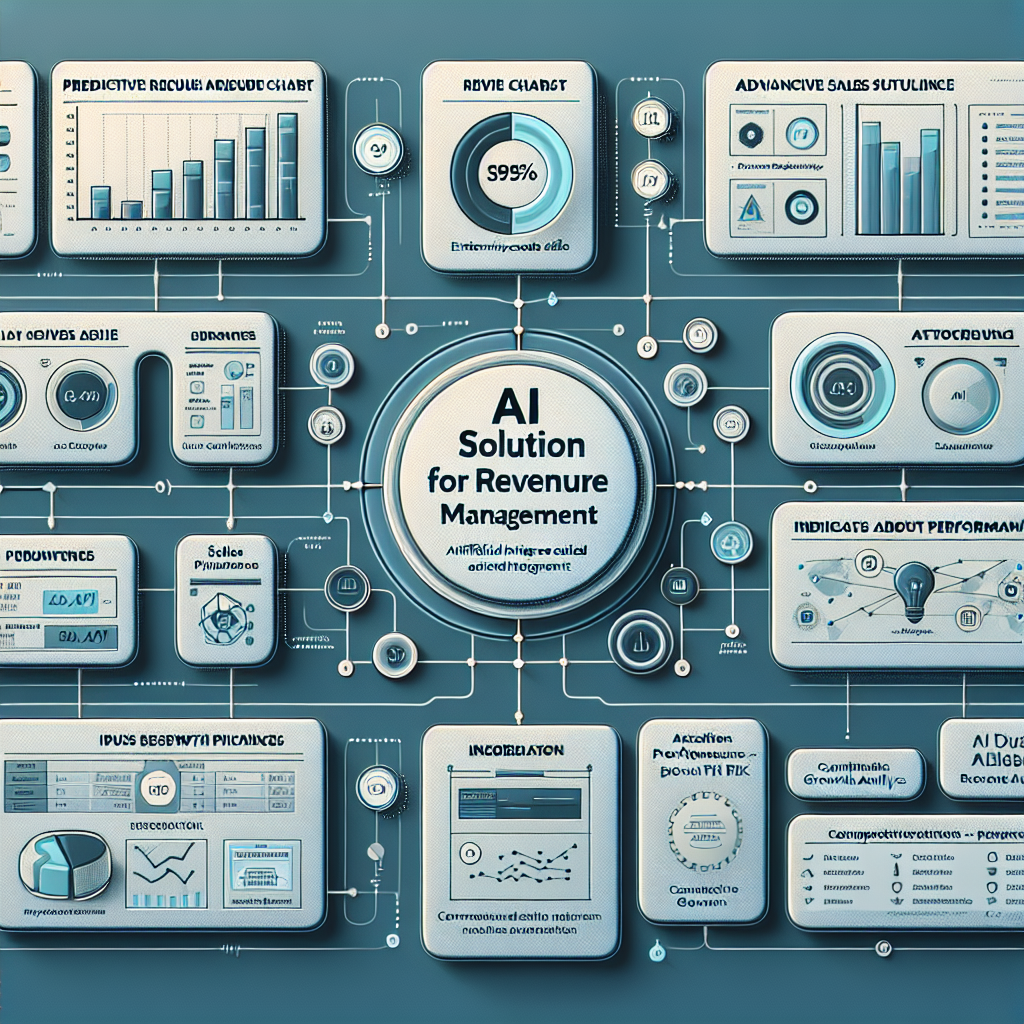
RevAI – Revenue As A Service With AI Solution

Client Overview

Client Name: Quantum Solutions
Industry: Technology Services
Headquarters: San Francisco, CA

Industry & Business Background

Quantum Solutions specializes in delivering innovative tech services to businesses across various sectors, focusing on IT infrastructure, cloud solutions, and data analytics. With a rapidly expanding client base, they recognized the need to refine their revenue generation processes to sustain their growth and enhance client satisfaction.

Challenges Faced

Despite strong growth, Quantum Solutions encountered several challenges:

  1. Lead Scoring Inefficiencies: Difficulty in identifying high-potential leads led to wasted resources and time.
  2. Sales Enablement Gaps: The sales team lacked real-time insights and tools to effectively engage prospects.
  3. Pipeline Optimization Issues: Unclear revenue forecasts resulted in misalignment across departments, impairing strategic planning.
  4. Data Security Concerns: Ensuring compliance with data regulations while managing customer data was a significant concern.

Project Goals & Objectives

Quantum Solutions aimed to:

  • Implement a robust lead scoring system to prioritize high-quality leads.
  • Enhance sales enablement tools for improved prospect engagement.
  • Optimize the sales pipeline for accurate revenue forecasting.
  • Provide actionable customer insights for data-driven decision-making.
  • Ensure secure data handling and synchronization across platforms.

Solution & Strategy

Our multi-faceted approach involved leveraging intelligent revenue systems that integrate seamlessly with existing CRM and marketing platforms. Key strategies included:

  • Utilizing machine learning algorithms for predictive lead scoring, enhancing the capacity to identify high-value prospects.
  • Introducing advanced sales enablement tools that provide sales teams with immediate access to customer insights and engagement metrics.
  • Implementing pipeline optimization techniques that align sales operations with forecasting metrics and business objectives.
  • Establishing stringent data security measures, including encrypted data handling and secure authentication processes.

Intelligent Revenue System Design & Implementation

The intelligent revenue system designed for Quantum Solutions emphasized scalability, performance optimization, and reliability. Integrating APIs allowed for real-time data flow between systems while maintaining compliance with data handling regulations. Key features included customizable dashboards for tracking sales performance, lead engagement, and forecasting metrics, all while ensuring reliable uptime for business-critical operations.

Tools & Technologies Used

  • CRM: Salesforce
  • Data Analytics: Tableau
  • Marketing Automation: HubSpot
  • APIs: RESTful APIs for seamless integration
  • Security Protocols: OAuth 2.0 for secure authentication
  • Machine Learning Framework: TensorFlow for predictive analytics

Key Takeaways

  • Intelligent revenue systems significantly enhance lead scoring accuracy.
  • Effective sales enablement tools empower sales teams with critical insights.
  • Pipeline optimization can align operations for better forecasting.
  • Secure data handling safeguards compliance while improving client trust.
  • Scalability ensures systems grow with evolving business needs.

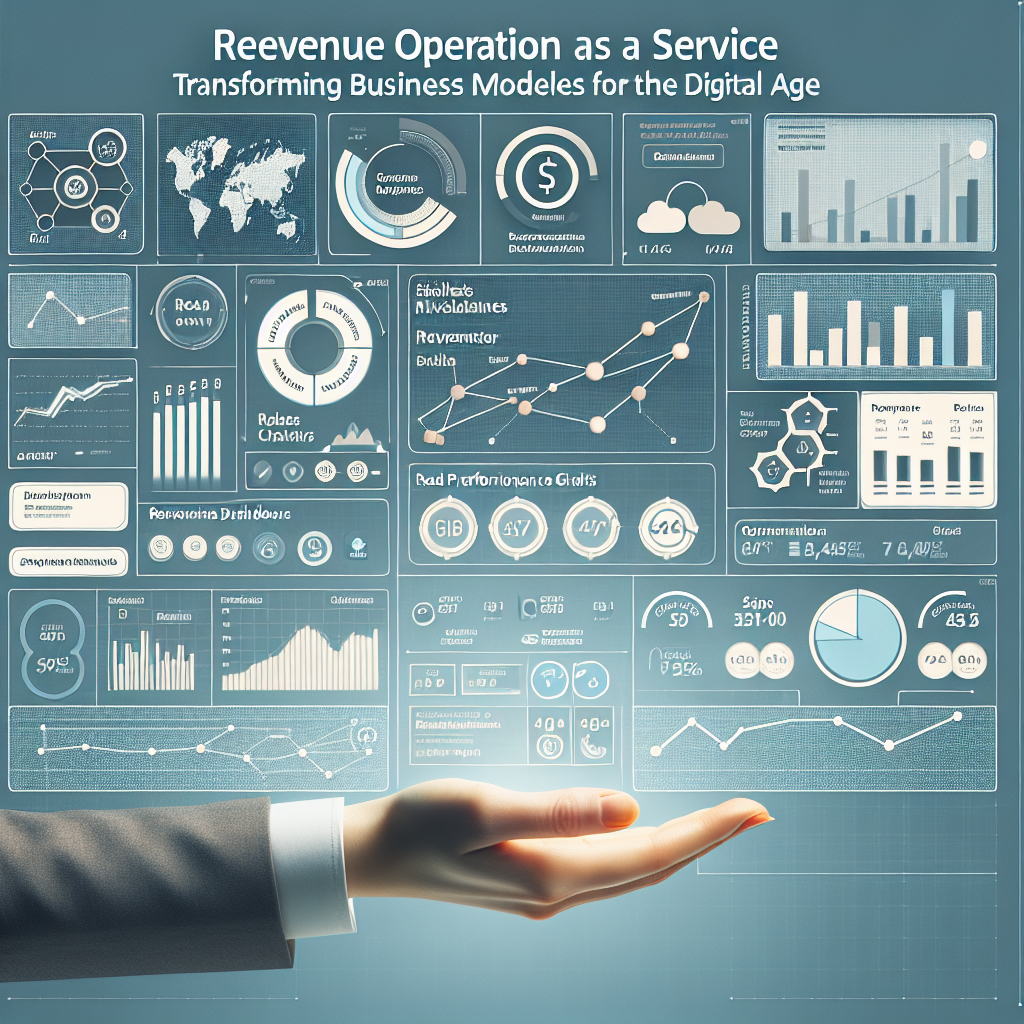
Revenue As A Service: Transforming Business Models for the Digital Age

  1. Client Overview
    EverGreen Solutions, a mid-sized tech company specializing in sustainable energy systems, sought to streamline its revenue operations. The goal was to enhance lead generation, refine sales processes, and improve revenue forecasting accuracy for better decision-making.

  2. Industry & Business Background
    Operating in the renewable energy sector, EverGreen Solutions faces rapidly evolving market demands and increasing competition. The company’s product offerings include solar panel installations and energy-efficient technologies aimed at small to medium-sized enterprises.

  3. Challenges Faced
    The primary challenges included an outdated CRM system that hindered sales operations, inconsistent lead generation strategies, and inadequate revenue forecasting processes. These inefficiencies led to missed sales opportunities and unclear sales pipeline visibility.

  4. Project Goals & Objectives
    The objectives were clear: optimize the sales funnel, enhance lead generation capabilities, improve CRM utilization, and implement reliable revenue forecasting methods. The aim was to drive sustainable revenue growth through systematic improvements.

  5. Solution & Strategy
    The approach involved a complete overhaul of EverGreen’s revenue operations. This included integrating a modern CRM system with advanced pipeline management features and linking it with marketing platforms for seamless lead generation. A multi-stage strategy focused on collaboration between sales and marketing teams to leverage data analytics for forecasting was developed.

  6. Revenue Operations Design & Implementation Process
    The design and implementation process consisted of several phases: assessment of existing systems, strategic planning, execution, and ongoing evaluation. Initial workshops facilitated alignment on revenue goals, followed by stepwise integration of new tools and processes carried out in agile sprints.

  7. Tools & Technologies Used
    The project utilized Salesforce for CRM optimization, HubSpot for inbound marketing, Zapier for API integrations, and Tableau for analytics. These tools enabled real-time data synchronization and enhanced performance optimization. Scalability was built into the architecture to accommodate future growth.

  8. Key Takeaways
    The project demonstrated a fundamental understanding of integrating sales and marketing efforts. Clear goals, strategic tool selection, and ongoing performance tracking were critical to success. Improved collaboration among teams resulted in clear accountability and ownership of revenue generation.

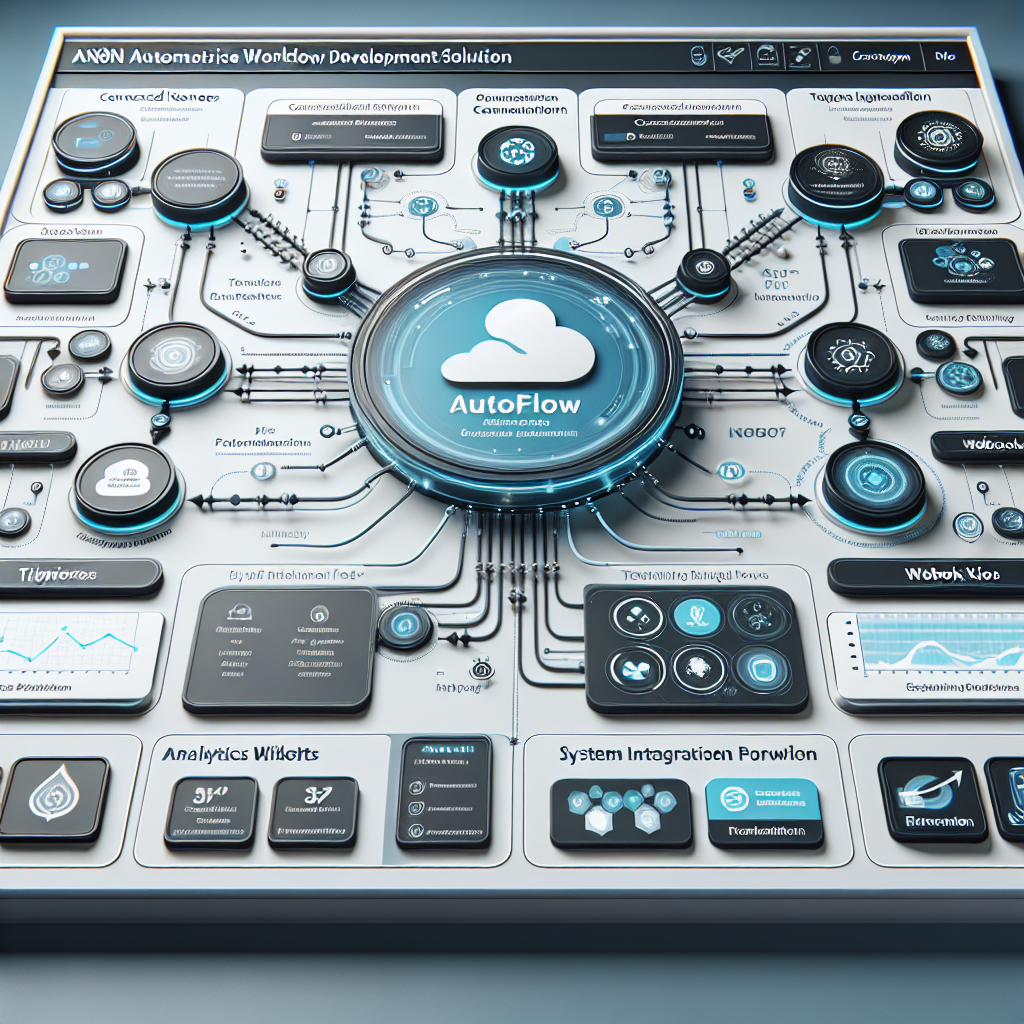
AutoFlow – n8n Automation Development Solution

Client Overview

TechNova Solutions, a mid-sized software development firm, specializes in creating cutting-edge applications for various industries, including finance, healthcare, and education. They aim to enhance digital experiences by automating workflows and streamlining operations.

Industry & Business Background

In an increasingly competitive technology market, TechNova Solutions operates within the software development sector, which demands agility and speed in delivering high-quality services. Their clients seek robust, integrated solutions that efficiently manage data and improve user engagement. With a mix of clients using various CRM, SaaS, and marketing tools, the need for a seamless, cohesive system has grown significantly.

Challenges Faced

TechNova faced several challenges that impeded their operational efficiency and responsiveness, including:

  • Manual data entry, leading to inconsistencies and errors.
  • Difficulty in integrating multiple platforms and tools, leading to data silos.
  • Lack of real-time data visibility, hindering decision-making.
  • Time-consuming processes due to inefficient workflows and task tracking.

Project Goals & Objectives

The overarching objective was to optimize business workflows using automation strategies. Specific goals included:

  • Create trigger-based workflows to automate repetitive tasks.
  • Integrate various APIs and webhooks for seamless data flow between systems.
  • Implement OAuth and API key authentication for secure integrations.
  • Enhance error handling and logging to minimize disruptions.
  • Design scalable and performance-optimized solutions to support growing client needs.

Solution & Strategy

To tackle the challenges, an n8n-based automation strategy was devised. This included:

  • Mapping existing workflows to identify bottlenecks.
  • Utilizing trigger-based automations to connect CRM, SaaS, and marketing tools seamlessly.
  • Enabling APIs and webhooks for real-time data exchange and processing.
  • Setting up error tracking and centralized logging for troubleshooting.
  • Implementing scalable architecture designs to accommodate future growth.

n8n Automation Design & Development Process

  1. Workflow Mapping: Analyzing existing manual processes and identifying areas for automation.
  2. Integration Setup: Using n8n to set up APIs and establish webhooks for real-time data transfer.
  3. Trigger Configuration: Developing specific triggers to automate workflows based on client interactions.
  4. Error Handling & Logging: Creating robust mechanisms for error detection and maintaining logs for ongoing performance assessment.
  5. Testing & Optimization: Conducting rigorous testing to ensure reliability and optimizing workflows for better performance.

Tools & Technologies Used

  • n8n: For creating automated workflows.
  • CRM APIs: Integration with Salesforce and HubSpot.
  • SaaS Applications: Using integration with platforms like Slack and Trello.
  • Database Connections: Establishing connections with MySQL for data consistency.
  • OAuth & API Keys: For securing integrations and ensuring safe data access.

Key Takeaways

  • Automating processes significantly reduces manual errors.
  • Real-time data access empowers faster decision-making.
  • Scalability in architecture facilitates future growth.
  • Integration across tools increases overall operational efficiency.

FlowSync – Business Process Automation Solution

Client Overview

Client Name: OptiMax Solutions
Industry: Logistics and Supply Chain
Business Type: B2B Services

Industry & Business Background

OptiMax Solutions is an innovative player in the logistics and supply chain sector, specializing in optimizing transportation and warehousing processes for mid-sized manufacturers. The company prides itself on streamlining operations and enhancing supply chain efficiency through technology. Established in 2015, OptiMax has rapidly gained a reputation for its customer-centric approach, leveraging data to drive decision-making and operational excellence.

Challenges Faced

Despite its success, OptiMax faced several challenges that hindered its operational capabilities:

  1. Manual Processes: A significant portion of workflows was still manual, leading to errors and inefficiencies.
  2. Data Silos: Critical data was dispersed across multiple systems, complicating integration and accessibility.
  3. Scalability Issues: As the business grew, existing systems struggled to handle increased demand effectively.
  4. Decision Delays: Slow decision-making processes adversely affected client satisfaction and overall business agility.
  5. Resource Allocation: Inefficiencies in task delegation reduced employee productivity and increased operational costs.

Project Goals & Objectives

OptiMax set forth a clear set of objectives to overcome these challenges:

  1. Automate Repetitive Tasks: Implement systems to automate mundane tasks, freeing up staff for higher-value work.
  2. Enhance Data Integration: Create a cohesive data ecosystem through centralized APIs and orchestration.
  3. Optimize Workflows: Streamline decision workflows to minimize delays and improve client responsiveness.
  4. Increase Scalability: Design systems that can easily scale with growing business demands.
  5. Ensure Security: Implement robust security measures to safeguard data and maintain client trust.

Solution & Strategy

To achieve these objectives, a multi-faceted strategy was developed:

  1. Assessment: Conduct a thorough assessment of existing workflows and systems.
  2. Integration: Leverage APIs to create a unified platform for data exchange, eliminating silos.
  3. Automation: Introduce workflow automation tools to streamline tasks across departments.
  4. Orchestration: Design a system orchestration strategy that ensures seamless interactions between all software platforms.
  5. Monitoring Tools: Deploy performance monitoring tools for real-time analytics and security oversight.

AI Automation Design & Implementation Process

The team executed the project in several phases:

  1. Phase 1: Workflow Mapping – Identify and document existing workflows for automation opportunities.
  2. Phase 2: Tool Selection – Choose the appropriate automation and data integration tools tailored to business needs.
  3. Phase 3: Pilot Testing – Implement a pilot program with selected teams to troubleshoot and refine the processes.
  4. Phase 4: Full Deployment – Roll out the automated systems organization-wide, supported by proper training initiatives.
  5. Phase 5: Continuous Improvement – Regularly assess system performance for ongoing optimization.

Tools & Technologies Used

The project utilized a range of tools and technologies including:

  • Zapier and Integromat: For workflow automation and task integration.
  • Microsoft Power BI: For advanced analytics and performance management.
  • AWS Lambda: To facilitate scalable serverless computing.
  • Apache Kafka: For real-time data streaming and orchestration.
  • Okta: For enhanced security and access management.

Key Takeaways

  • Automation led to significant improvements in operational efficiency.
  • Data integration eliminated silos, fostering better decision-making.
  • Scalable solutions prepared the business for future growth.
  • Enhanced workflow processes reduced turnaround times.
  • Trust and security were prioritized to reinforce client confidence.

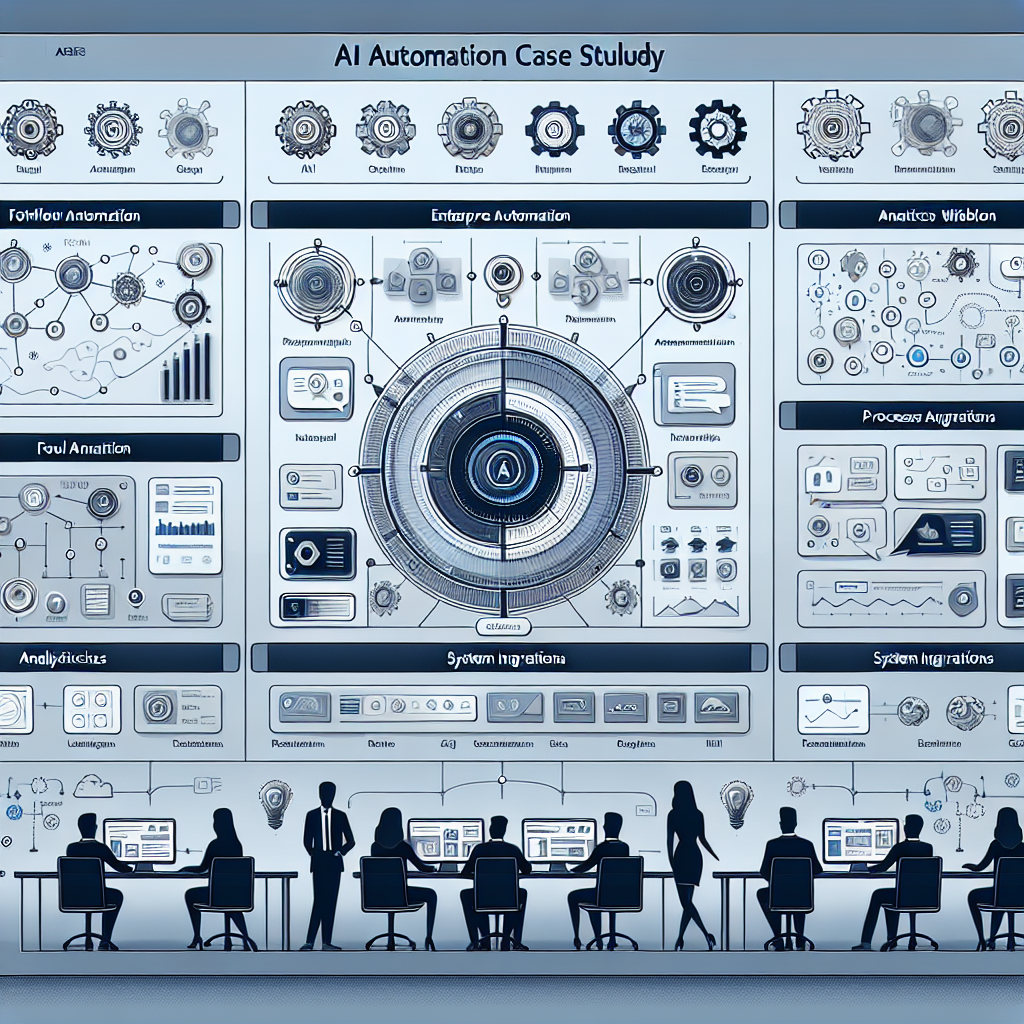
InnovaSync – AI Automation Case Study

1. Client Overview

The client, TechNova Solutions, is a mid-sized software development firm specializing in cloud-based applications. Established in 2014, TechNova has rapidly grown, providing innovative solutions to a diverse range of industries.

2. Industry & Business Background

Operating in a highly competitive software development sector, TechNova focuses on creating scalable, secure, and user-friendly applications. The firm has been instrumental in helping clients enhance their operational efficiency, agility, and responsiveness through technology.

3. Challenges Faced

TechNova faced several challenges, including lengthy manual processes that hampered operational efficiency. Repetitive tasks consumed substantial human resources, while inefficient workflows often led to delays in project delivery. Additionally, the lack of data integration across various platforms resulted in inconsistent information and decision-making challenges.

4. Project Goals & Objectives

The primary goals included automating repetitive tasks, optimizing decision workflows, and improving overall operational efficiency. TechNova aimed to implement a robust, scalable solution to enhance data integration and streamline processes across their development teams.

5. Solution & Strategy

To address these challenges, a targeted strategy combining workflow automation and process optimization was implemented. The solution included a comprehensive review of existing workflows, followed by the design of an automation solution that seamlessly integrated with current systems using APIs. This strategy ensured that repetitive tasks were delegated to automated processes, allowing human resources to focus on high-value activities.

6. AI Automation Design & Implementation Process

The design process began with mapping out existing workflows and identifying bottlenecks. Following this, the automation framework was developed, encompassing system orchestration to ensure seamless data flow. The implementation involved iterative testing phases to validate performance and security requirements, ultimately leading to a refined, robust solution tailored to TechNova’s needs.

7. Tools & Technologies Used

The project utilized a stack of integration tools, including Zapier for automating workflows, AWS for cloud services, and custom APIs for internal system communication. Security was emphasized through encryption measures and network monitoring tools, while scalability was ensured with microservices architecture, enabling TechNova to accommodate future growth.

8. Key Takeaways

  • Automation significantly reduced manual processing time, enhancing productivity.
  • Improved data consistency led to better decision-making and project outcomes.
  • Streamlined workflows allowed teams to allocate resources more effectively.
  • The successful integration of existing systems with new technologies bolstered security and scalability.
  • TechNova is now better positioned to respond to client demands swiftly.

TechSphere – Cross Platform Mobile Apps Case Study

Client Overview

Client Name: NexTech Solutions
Industry: FinTech
Location: San Francisco, CA

NexTech Solutions specializes in transforming consumer and business financial services through innovative technology. They sought to modernize their existing service offerings by developing a robust mobile app to enhance user experience and expand their market reach.

Industry & Business Background

FinTech is a rapidly evolving industry, with a significant emphasis on providing seamless digital solutions for banking, investment, and insurance. Companies are aggressively enhancing their mobile capabilities to stay competitive. With customers demanding quicker access to services and real-time data at their fingertips, mobile apps have become essential for engagement and retention.

Challenges Faced

NexTech faced several challenges:

  1. User Authentication: The need for secure, yet user-friendly authentication processes to build trust among users.
  2. Integration of APIs: The complexity of connecting various financial APIs while ensuring data security and real-time performance.
  3. Push Notifications: Implementing a strategy for timely and relevant push notifications to maintain user engagement.
  4. Scalability: Preparing the app for potential future growth and user base expansion.
  5. Performance Optimization: Ensuring quick load times and smooth functionality even under heavy loads.

Project Goals & Objectives

The primary objectives of the project were to:

  • Develop an intuitive mobile application compatible with both Android and iOS platforms.
  • Implement robust security protocols, including multi-factor authentication.
  • Ensure seamless API integrations to provide real-time financial data.
  • Create an engaging user experience through effective notification strategies.
  • Design an easily scalable architecture to accommodate future growth.

Solution & Strategy

Our team proposed a cross-platform mobile application built using Flutter to ensure compatibility across both Android and iOS systems.

  1. User Authentication: We implemented OAuth for secure user authentication, enabling users to log in through their bank or email securely.
  2. API Integration: We established connections with several financial APIs, ensuring compliance with regulatory standards and maintaining data integrity.
  3. Push Notifications: A careful targeting strategy for push notifications was tailored to keep users updated with market trends and account changes.
  4. Scalability Strategy: A cloud-based back-end allowed for dynamic scaling, ensuring smooth performance during high-demand periods.
  5. Performance Optimization: Regular performance audits were conducted to monitor the app’s efficiency, resulting in faster loading times and an enhanced user experience.

Mobile App Design & Development Process

Our development process consisted of several phases:

  1. Requirement Gathering: Collaborating closely with NexTech’s stakeholders to clarify goals and imagery.
  2. Wireframing & Prototyping: Creating interactive prototypes to fine-tune user experience before development.
  3. Development: Implementing the front-end and back-end simultaneously using an Agile approach for iterative testing.
  4. Testing: Comprehensive testing phases were instituted, including unit, integration, and performance testing to identify any issues prior to launch.
  5. Deployment: The app was deployed in stages, ensuring real-time monitoring for any hidden issues during the initial launch.

Tools & Technologies Used

  • Framework: Flutter for cross-platform development.
  • Programming Languages: Dart for app development, JavaScript for backend services.
  • Analytics: Google Analytics and Firebase for tracking user engagement.
  • Cloud Services: AWS for hosting and database scalability.
  • Authentication: OAuth 2.0 for secure logins.

Key Takeaways

The collaboration between NexTech Solutions and our team resulted in a state-of-the-art mobile app that not only met the project objectives but also set a new standard in the FinTech landscape. Emphasizing user security, seamless integration with various financial APIs, and an engaging user experience were critical to this project’s success.